Cooling — an open grid vs dense foam
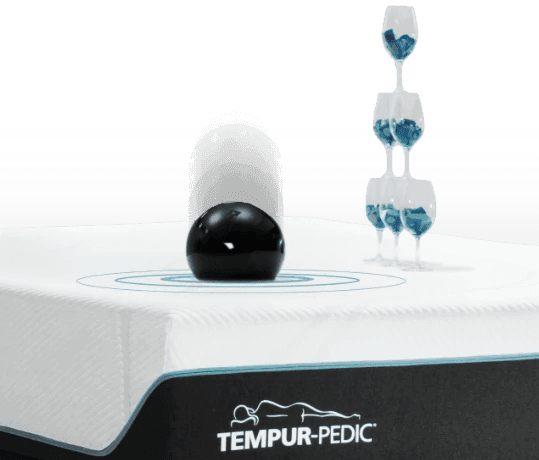
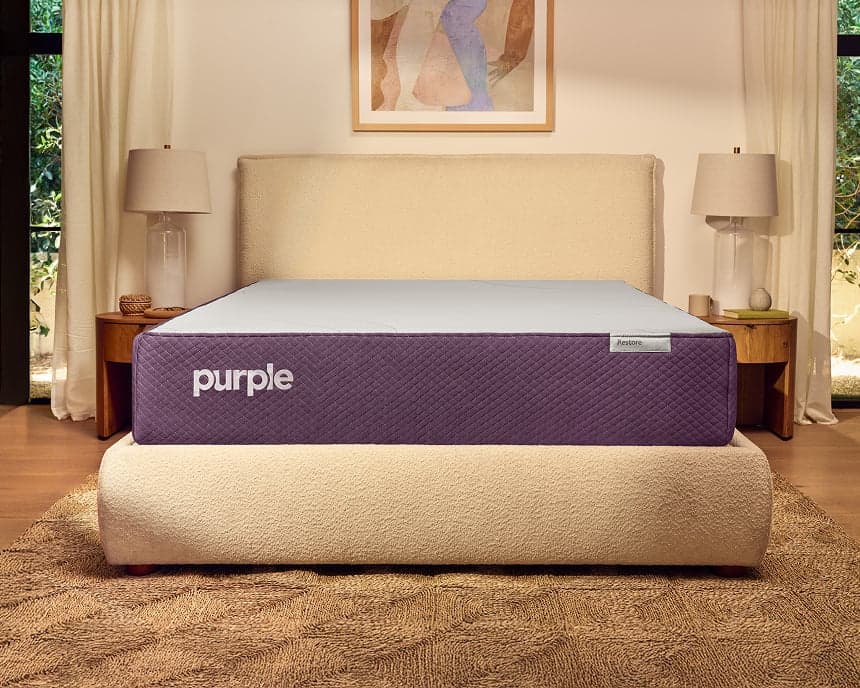
Winner: Purple RestorePremierStart with the mechanism, because it explains everything else in this comparison. Purple's 3″ GelFlex Grid is an open, air-permeable structure: the walls buckle under load rather than compressing into a solid mass, so the top layer keeps passing air even while it's holding your hips. The TEMPUR-Adapt 2.0 puts TEMPUR-ES viscoelastic foam over its 1000+ pocketed coils, and dense viscoelastic foam is close to airtight by design. That density is exactly what produces the contour people buy Tempur for, and it is exactly what holds heat. Tempur's answer is the SmartClimate cover — a surface treatment that helps at the point of contact but doesn't change the several inches underneath it.
On numbers, be careful about who is claiming what. Purple's own thermal testing rates the RestorePremier up to 4x cooler than leading competitors. That is Purple's claim, not one we hold — we did not measure the surface temperature of either bed, and we are not attaching a figure to the Tempur at all. What isn't in dispute is direction: "sleeps warm — dense foam traps heat" is the first con on our own Tempur-Adapt page, and Tempur-Pedic's product story has never been about running cool.
In our scorecards this is the widest gap between the two beds anywhere — Cooling 9.5 for Purple, 7.5 for Tempur-Adapt. Every other dimension here is a matter of preference. This one isn't. If you wake up hot most nights, this row settles the comparison and nothing below it should change your mind.