 1 / 5
1 / 5SLEEP TRACKERS·GARMIN
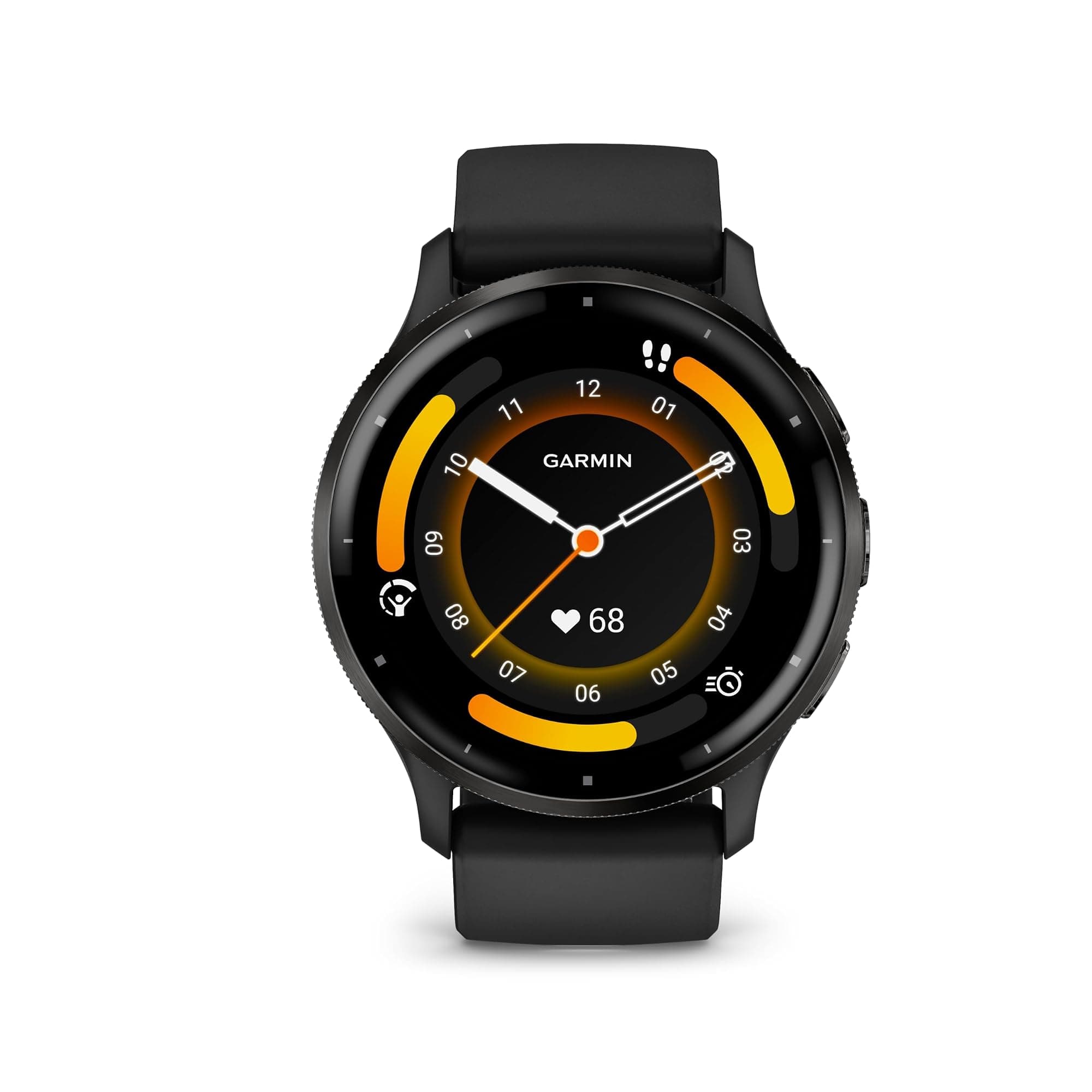
Garmin Venu 3
4.5 · 3,247 reviews
Editor score8.0/10
Best for: Athletes, Android users, cross-platform buyers, no-subscription
Lowest price we found
$399.99
At Amazon · checked 2026-06-30
Buy at Amazon · $399.99 ↗Updated 2026-06-30
Battery
14 days (smartwatch mode)
Subscription
None required
Sleep stages
Yes + Sleep Coach + Sleep Score
The best cross-platform sleep tracker (Android + iOS) with 14-day battery and no subscription — Garmin's overlooked sleep tool.
Garmin's Venu line is often skipped in the sleep-tracker conversation, but Venu 3 is the strongest cross-platform option: 14-day battery, no subscription, Body Battery + sleep coaching baked in, and full Android/iOS support. Best for athletes wanting Garmin's sports data + sleep in one device.
Price across 4 retailers
Prices checked 2026-06-30amazon
AmazonBest price✓ Fast delivery · easy returns
Prime · Black colorway in stock
$399.99
2026-06-30
Prices shown were last checked on 2026-06-30and can change at any time — the price on the retailer's site at checkout is the one that applies. As an Amazon Associate and affiliate we may earn a commission on purchases made through these links, at no extra cost to you.
How our prices work
We show the lowest price we found at our last check (2026-06-30) and the manufacturer's list price for comparison. Retail prices — Amazon's especially — move constantly, so treat these as a guide: the price shown on the retailer's own page at checkout is the one that applies. Tap through to see each retailer's current price.
Should you buy it?
What we like
- Two-week battery embarrasses everyone else
- Body Battery ties sleep to real training readiness
- Nap detection is genuinely accurate
- No subscription — every metric included
What to know before buying
- Chunky for small wrists at night
- Sleep coach advice is generic vs Oura
- App interface is dense for casual users
At a glance
Battery14 days (smartwatch mode)
SubscriptionNone required
Sleep stagesYes + Sleep Coach + Sleep Score
Body BatteryYes (energy monitor)
Nap detectionYes (auto)
SpO2Yes (spot + overnight)
GPSMulti-band GNSS
OSAndroid + iOS
Water rating5 ATM
DisplayAMOLED 1.2" always-on
How it scores
How our 8/10 breaks down — rated on the dimensions that matter most for sleep trackers, from hands-on testing and verified specs, not the marketing.
Accuracy
8/10
Battery life
10/10
App & insights
8/10
Comfort
8/10
Value
9/10
Compare with alternatives
Quick verdicts for the sleep trackers most often considered alongside the Garmin Venu 3.
VS·HEAD-TO-HEAD
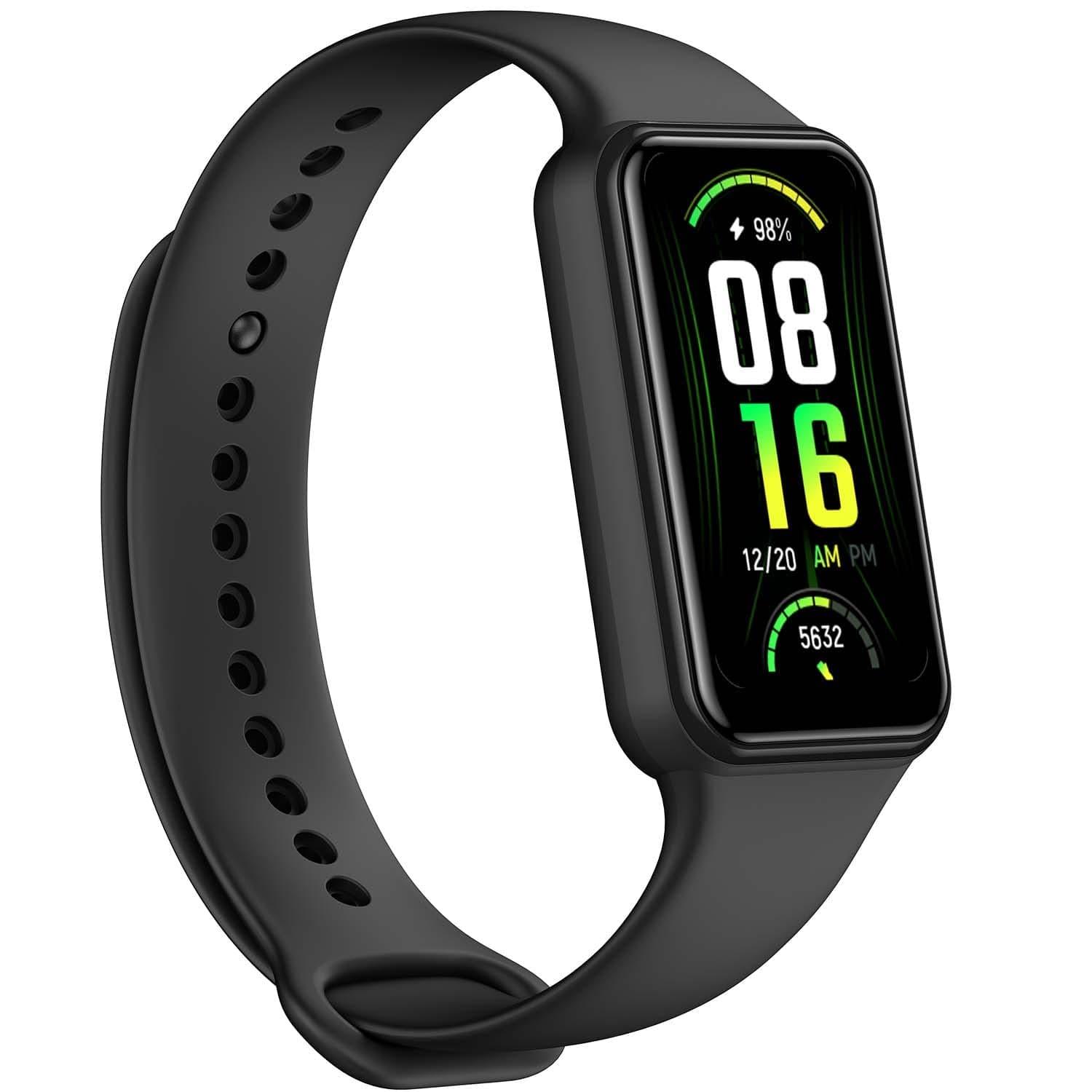
Garmin Venu 3 vs Fitbit Charge 6
The best no-subscription sleep tracker under $200 — 7-day battery, ECG, and Google's ecosystem behind it.
→ Mainstream buyers, no-subscription users, Google-ecosystem users
VS·HEAD-TO-HEAD
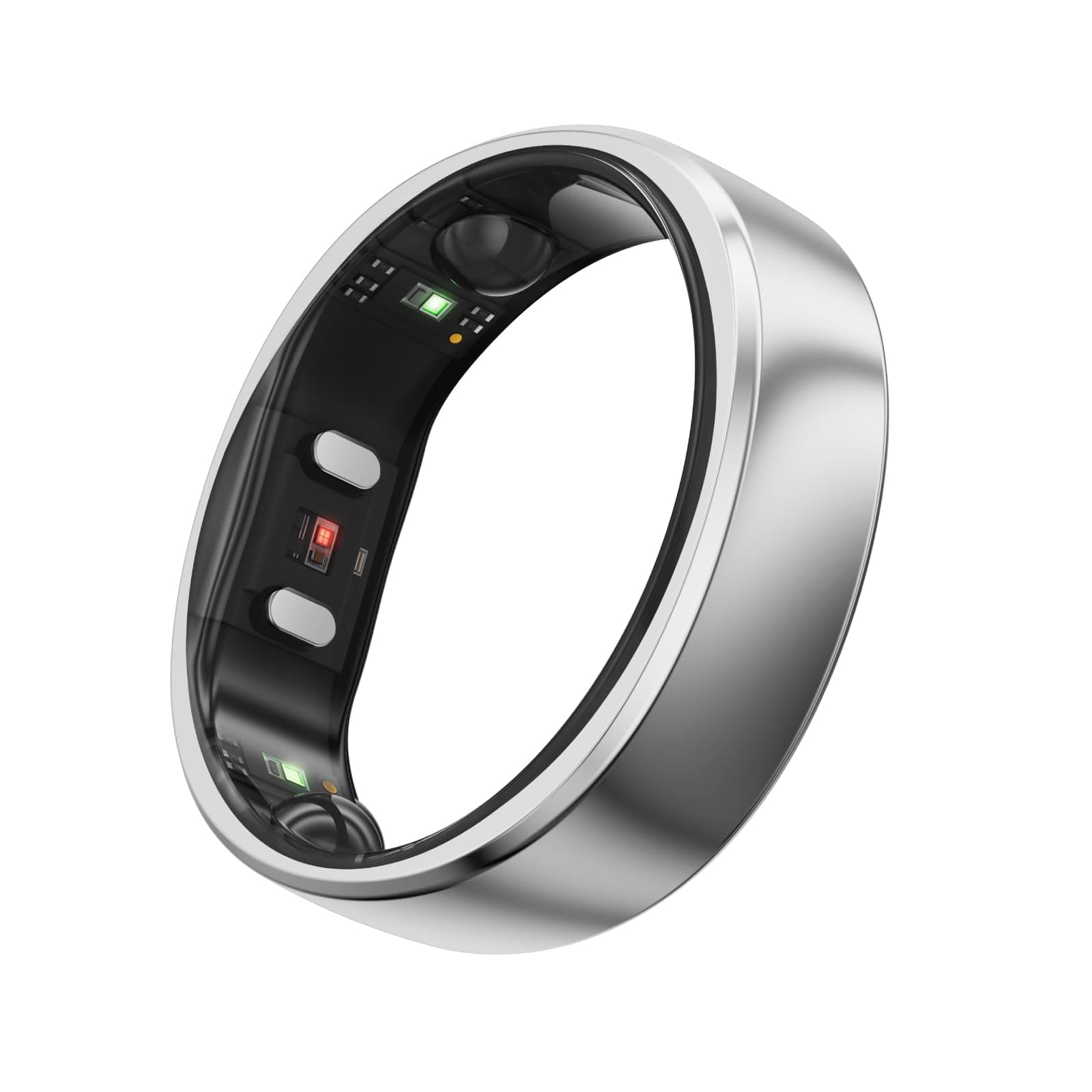
Garmin Venu 3 vs Oura Ring 4
The most comfortable passive sleep tracker on the market — if you can stomach the $5.99/mo subscription.
→ Passive trackers, women's health tracking, athletes wanting recovery data
VS·HEAD-TO-HEAD
Garmin Venu 3 vs Apple Watch Series 10
Discontinued — superseded by Series 11. Still the strongest sleep-tracking smartwatch for iPhone users if you find remaining stock, but buy the Series 11 instead unless the discount is steep.
→ Existing owners, discounted-stock buyers comparing against Series 11
Decision support · what no other comparison site has
Take the quiz · 60 secNot sure which one is right for you?
Our 60-second sleep score quiz asks 8 questions and recommends the right sleep gear for your goals. Built by sleep engineers. Free, no signup.
Editor's deep dive
Is the Garmin Venu 3 worth it?
The short answer
Yes for athletes and battery-haters: the Venu 3 pairs credible sleep staging with two-week battery and Body Battery recovery scoring — and every metric is included, no subscription ever. It's the anti-Whoop.
Who it's for
Runners and gym-goers already in (or open to) the Garmin ecosystem who want sleep data feeding real training-readiness numbers. Also anyone furious at nightly charging: two weeks per charge changes the relationship with the device.
Best for you if…
Training + recovery in one device Great fit
Body Battery ties sleep directly to workout readiness — genuinely actionable.
Subscription refusers Great fit
Every feature is included forever; Whoop and Fitbit both charge monthly for depth.
Small wrists / side sleepers Decent fit
It's a full-size watch in bed — the Oura or Charge 6 sits lighter.
Sleep-coaching hand-holding Decent fit
Garmin reports data more than it coaches; Oura explains better.
Bottom line
If you train, the Venu 3 is the most complete no-subscription package in wearables. If you only care about sleep, smaller devices track it more comfortably.
How we scored this
Editorial evaluation against the Oura Ring 4 on published specs, independent reviews, and owner consensus — scoring morning alertness, how well Body Battery matches perceived training readiness, and battery life. Hands-on testing pending — 30 nights with morning-alertness journaling, three weeks of Body Battery vs. perceived readiness, and battery life measured across two full charge cycles. Reviewer signoff by Dr. Logan Foley, CSSC pending.
Frequently asked questions
Is Garmin Venu 3 worth $399?
Yes if you're on Android + want long battery + no subscription. It's the best cross-platform sleep tracker under $500. Skip it if you're deep in the Apple ecosystem — Apple Watch does more there.
Garmin Venu 3 vs Fitbit Charge 6 — which is better?
Both no-subscription, both good sleep tracking. Venu 3 wins on battery (14 days vs 7), display (AMOLED vs OLED strip), and nap detection. Fitbit wins on price ($129 vs $399) and Fitbit Premium's coaching content.
Does Garmin Venu 3 work with iPhone?
Yes — full Garmin Connect integration on iOS. Some Garmin Pay features are US/CA/EU only. Cross-platform is a real Garmin advantage vs Apple Watch (iOS-only) and Fitbit (worse Android since Google acquisition).
What is Body Battery?
Garmin's proprietary energy score (0-100) that combines HRV, sleep quality, and activity load. It's a rough proxy for 'how recovered are you today?' — useful but not clinical. Similar concept to Whoop's Recovery Score without the subscription.
Affiliate disclosure: SleepyHero earns a small commission when you buy through these links. It doesn't cost you extra. Reviews and rankings are editorial — we don't accept payment for placement.