Caffeine and your sleep architecture.
Built from peer-reviewed pharmacokinetics literature on CYP1A2 metabolism, adenosine receptor antagonism, and polysomnography studies of evening caffeine exposure. Reviewed by Dr. Logan Foley, CSSC.
Caffeine has a 5-hour half-life on average, so a 200mg coffee at 2pm leaves 100mg in your system at 7pm and 50mg at midnight — enough to measurably reduce deep sleep even if you fall asleep fine. The practical rule: stop caffeine 8-10 hours before bed, and slow metabolizers should stop at noon.
If you fall asleep fine but wake up feeling like you didn't really sleep, caffeine is the most common explanation people miss. It doesn't always block sleep onset — it shortens deep sleep and REM by interfering with adenosine, the molecule that builds up sleep pressure during the day. The research is unusually clear: even 400mg of caffeine taken six hours before bed reduces total sleep time by an hour. Most people are unknowingly running this experiment on themselves every afternoon.

| Hours after dose | Caffeine remaining | Sleep impact |
|---|---|---|
| 0h (consumption) | 200mg | Peak alertness within 30-45 min |
| 5h | 100mg | Still well above sleep-disruption threshold |
| 10h | 50mg | Threshold for measurable deep-sleep reduction |
| 15h | 25mg | Below most thresholds; still detectable |
| 20h | 12mg | Functionally cleared for most people |
| 24h+ | <6mg | Cleared for slow metabolizers |
The half-life that catches everyone out
Caffeine's average half-life in healthy adults is 5 hours, but the range is 3 to 8 hours depending on your CYP1A2 enzyme variant.[1] That genetic variation means a 3pm coffee at the median half-life still has a quarter of the dose circulating at 3am.
The half-life is essentially fixed for a given adult. If you've always been "fine drinking coffee at 5pm and sleeping like a baby," you're probably a fast metabolizer (the rs762551 AA genotype). If a single cup at noon disrupts your night, you're a slow metabolizer (the AC or CC genotype). Neither variant is a problem on its own — the cutoff time just has to match your half-life.[3]
Three factors lengthen the half-life beyond your genetic baseline:
- **Pregnancy** — half-life can double to 10-12 hours in the third trimester - **Hormonal contraceptives** — extend half-life by 40-50% on average - **Liver enzyme inducers/inhibitors** — fluvoxamine, ciprofloxacin, and grapefruit juice all extend it; smoking shortens it
If any of those apply, the textbook "stop after 2pm" rule isn't conservative enough.
“The receptor occupancy that disrupts deep sleep happens regardless of whether you consciously feel 'wired.'”
What caffeine actually does to your sleep architecture
Adenosine is the neurotransmitter that accumulates during waking hours and signals "you've been awake long enough — sleep now." The longer you're awake, the more adenosine binds to A1 and A2A receptors in your basal forebrain, and the sleepier you feel. Caffeine is structurally similar enough to adenosine that it competes for the same receptors and blocks the signal — that's why you feel alert.[4]
The catch: even after you fall asleep, residual caffeine continues to occupy adenosine receptors. The result isn't insomnia — it's worse, because it's invisible. You sleep your usual hours and feel like you got rest, but the architecture underneath is shifted.
Polysomnography studies measuring evening caffeine consistently show three changes:
1. **Slow-wave sleep (deep sleep) drops 7-10%** even when total sleep time is unchanged.[2] 2. **REM sleep is pushed later** in the night, shortening the first REM period and compressing dreaming into the final cycles. 3. **Wake-after-sleep-onset (WASO) increases** — more brief micro-arousals that you don't consciously remember but that fragment cycles 3 and 4.
This is the "I slept eight hours but feel groggy" experience — and it's why people who quit afternoon coffee often report feeling more rested within a week, even when their tracker says total sleep didn't change.
“A 4pm 'I'm just having tea' with dark chocolate after dinner is functionally a 60-80mg caffeine dose 4-6 hours before bed.”
Why tolerance doesn't save you
The most common pushback on caffeine timing advice is "I drink coffee at 6pm and sleep fine — I've built up tolerance." This is half-true and half-misleading.
Tolerance is real for the *alertness* side of caffeine. Regular drinkers up-regulate adenosine receptors, so the same dose produces less of the perceived energy boost. That's why your morning coffee feels like maintenance rather than rocket fuel.
Tolerance is much weaker for the *sleep architecture* side. The receptor occupancy that disrupts deep sleep happens regardless of whether you consciously feel "wired." A heavy daily caffeine drinker who has a 5pm cappuccino will fall asleep at 11pm without issue and lose the same 7-10% of deep sleep as a non-tolerant drinker.[5]
The "I sleep fine" self-report is consistently contradicted by sleep-tracking data. People who switch their afternoon coffee for decaf and track Oura or Whoop scores typically see deep-sleep gains within a week — even when they swore the original schedule was working.
The complete printable sleep toolkit.
Twelve printables that pair with the SleepyHero tools — caffeine cutoff cards, sleep-debt logs, jet-lag schedules, the cycle-boundary bedtime planner, and more. Free downloads, always updated.
Get the 12 free printables →How to find your real cutoff
The textbook answers are "stop after 2pm" or "no caffeine within 6 hours of bed." Both are wrong for most people because they ignore half-life variation. The right cutoff is a function of your bedtime, your dose, and your metabolism.
The math is straightforward. A reasonable threshold for "safe" residual caffeine at bedtime is ~50mg — below the level that consistently shows in deep-sleep reduction studies.[2] Working backward from bedtime:
- **Fast metabolizer (3h half-life)**: a 200mg dose at 7am leaves ~50mg at 1pm. Cutoff: 6 hours before bed. - **Average metabolizer (5h half-life)**: a 200mg dose at noon leaves ~50mg at 10pm. Cutoff: 8-10 hours before bed. - **Slow metabolizer (8h half-life)**: a 200mg dose at 8am leaves ~50mg at 4pm. Cutoff: stop by noon.
The simplest path is to use our **caffeine cutoff calculator** — plug in your usual bedtime, dose, and metabolism estimate, and it returns the latest time you can have your last cup. Most people are surprised at how early the answer is.
If you don't want to do the math: try moving your last caffeine 2 hours earlier than your current cutoff for one week. Track how you feel at the alarm. Most people notice the difference by day 4.
Calculate your personal caffeine cutoff.
Plug in your bedtime, sensitivity, and typical dose. The calculator returns the latest time you can have your last cup without residual exceeding the sleep-disruption threshold.
What actually moves the needle.
Each strategy below is rated by evidence strength, with the specific source and what it does and doesn't solve. Run them in order.
Set a personalized cutoff time and hold it for two weeks
Calculate your specific cutoff based on bedtime, typical dose, and metabolism (fast/average/slow). Hold the cutoff strictly for 14 days — long enough for one menstrual cycle if relevant, and long enough to see the deep-sleep recovery in tracker data.
- +The 'I sleep 8 hours but feel groggy' problem
- +Restoring deep sleep without changing total sleep time
- +Reducing 3am wake-ups (fewer micro-arousals)
- −Sleep onset insomnia (cutoff fixes maintenance, not onset)
- −Sleep apnea or other physiological disorders
- −Stress-driven hyperarousal independent of caffeine
Switch the afternoon cup to decaf or herbal
If your social or work routine makes you want a hot drink at 3pm, the answer is rarely 'go without' — it's a swap. Decaf has 2-15mg per cup (negligible for most people) and rooibos / herbal blends have zero. The ritual is preserved; the pharmacology isn't.
- +Ritual-driven afternoon drinkers (the cup matters more than the caffeine)
- +People who want to retain a caffeine fix earlier in the day
- +Slow metabolizers who can't have caffeine past noon
- −Heavy caffeine users who need the dose for alertness (start with cutoff first)
- −People who actually like the taste of strong coffee specifically
Use the caffeine nap (timed dose + 20-min sleep)
If you need an afternoon energy boost without disrupting nighttime sleep, the caffeine nap exploits caffeine's 30-45 minute onset. Take 100-150mg, immediately lie down for a 20-minute nap. You wake with both adenosine cleared (from the nap) and caffeine kicking in (from the dose). Used correctly, this is far better for nighttime sleep than a 3pm coffee with no nap.
- +Shift workers and post-lunch alertness dips
- +Long-distance drivers (well-studied in road safety research)
- +Replacing a late afternoon coffee with an earlier dose
- −People who can't fall asleep on demand for a 20-min nap
- −Habitual heavy caffeine users (tolerance reduces the alertness boost)
What you get here that you don't get elsewhere.
- This guide
- We give you three cutoff times based on whether you're a fast (3h), average (5h), or slow (8h) metabolizer — plus a calculator that personalises it to your bedtime and dose.
- Typical alternative
- Most articles repeat the textbook "stop after 2pm" rule, which fits roughly nobody.
- This guide
- Cutoff, decaf swap, and the caffeine nap — each rated by evidence strength with the specific study, what it helps, what it doesn't help, and time investment.
- Typical alternative
- Generic "drink less coffee" advice with no ranking and no consideration of which strategy fits your life.
- This guide
- Visual icon grid covering decaf through Bang energy — with the actual mg load that counts toward your cutoff math.
- Typical alternative
- A bullet list of "caffeine is in tea and chocolate too" with no quantification.
- This guide
- Explicit teardown of the alertness-tolerance vs architecture-tolerance distinction — with the polysomnography evidence that contradicts the "I sleep fine" self-report.
- Typical alternative
- Either ignores tolerance entirely or accepts the "I'm fine with late coffee" rationalisation.
If you've cut caffeine entirely for 2+ weeks and still wake up groggy after 8 hours of sleep, the cause isn't caffeine. The most common alternatives are sleep apnea (loud snoring, witnessed pauses, daytime sleepiness despite full nights), restless legs syndrome (uncomfortable leg sensations relieved by movement), or a thyroid disorder. A primary care visit and a referral to a sleep clinic is the right next step. Polysomnography is the diagnostic gold standard and a one-night test answers most questions.
Related tools
Personalised cutoff time based on your bedtime, dose, and metabolism estimate.
Once caffeine timing is right, dial in the bedtime that wakes you at a cycle boundary.
Track whether the cutoff is actually moving the debt curve over a week.
People also ask
How many hours before bed should I stop drinking caffeine?
8-10 hours for an average metabolizer. Fast metabolizers can stop 6 hours before bed; slow metabolizers should stop by noon. The exact number depends on your bedtime, your usual dose, and your CYP1A2 metabolism. The simplest test: move your cutoff 2 hours earlier for a week and see whether morning grogginess improves.
Does caffeine actually keep you awake or just make you feel awake?
Both, but the 'feel awake' effect is what most people notice. Caffeine blocks adenosine receptors, which is the literal sleep-pressure signal — so it does delay sleep onset for non-tolerant users. For tolerant daily drinkers, it has minimal onset effect but still measurably reduces deep sleep by 7-10% even when you fall asleep fine.
Why do I sleep fine after coffee but feel groggy in the morning?
Because caffeine doesn't block sleep, it changes its structure. You're getting your usual 8 hours, but with 7-10% less deep slow-wave sleep, more micro-arousals in cycles 3-4, and REM pushed later in the night. Total sleep time looks normal on a tracker; quality is reduced. The grogginess is the real signal — believe it over the duration number.
How long does caffeine stay in your system?
The half-life is 3-8 hours depending on your metabolism (genetic CYP1A2 variant). At the 5-hour average, a 200mg coffee leaves 100mg at 5 hours, 50mg at 10 hours, and 25mg at 15 hours. Functional clearance for most people is 20-24 hours, but the disruption window for sleep is shorter — the threshold is roughly 50mg remaining at bedtime.
Glossary.
The technical vocabulary used in this article, in plain English.
- Half-life
- The time it takes for half of a substance to be cleared from the bloodstream. Caffeine's average half-life is 5 hours in healthy adults, but ranges from 3 to 8 hours depending on liver enzymes and other factors.
- CYP1A2
- The liver enzyme that metabolises ~95% of caffeine. Genetic variants of the CYP1A2 gene determine whether you're a fast, average, or slow metabolizer — the variation is essentially fixed for a given adult.
- Adenosine
- A neurotransmitter that accumulates in the brain during waking hours and binds to A1 and A2A receptors to signal sleep pressure. The longer you're awake, the more adenosine builds up — and the sleepier you feel.
- REM sleep
- Rapid eye movement sleep — the stage in which most vivid dreaming occurs and emotional/memory consolidation happens. Lasts ~10 minutes in the first cycle and grows to 30+ minutes in the final cycle.
- Slow-wave sleep (N3)
- The deepest stage of sleep, dominated by slow delta waves on EEG. Most growth hormone secretion, immune system maintenance, and glymphatic waste clearance happens here. Heavily front-loaded in the first two cycles of the night.
- Sleep inertia
- The grogginess and cognitive impairment that follows waking from deep sleep (N3). Can last 20–60 minutes and produces measurable performance deficits — the worst feeling alarm clocks deliver.
- WASO
- Wake After Sleep Onset — total minutes spent awake after first falling asleep. A standard polysomnography metric. Caffeine in the system increases WASO via micro-arousals you don't consciously remember.
- Polysomnography
- The clinical sleep study performed at a sleep lab — measures EEG, eye movement, muscle tone, breathing, and oxygen saturation overnight. The reference standard for diagnosing sleep disorders and measuring sleep architecture changes.
From our test lab
Gear that helps
Tested picks that pair with this guide — scored independently, prices tracked across retailers.
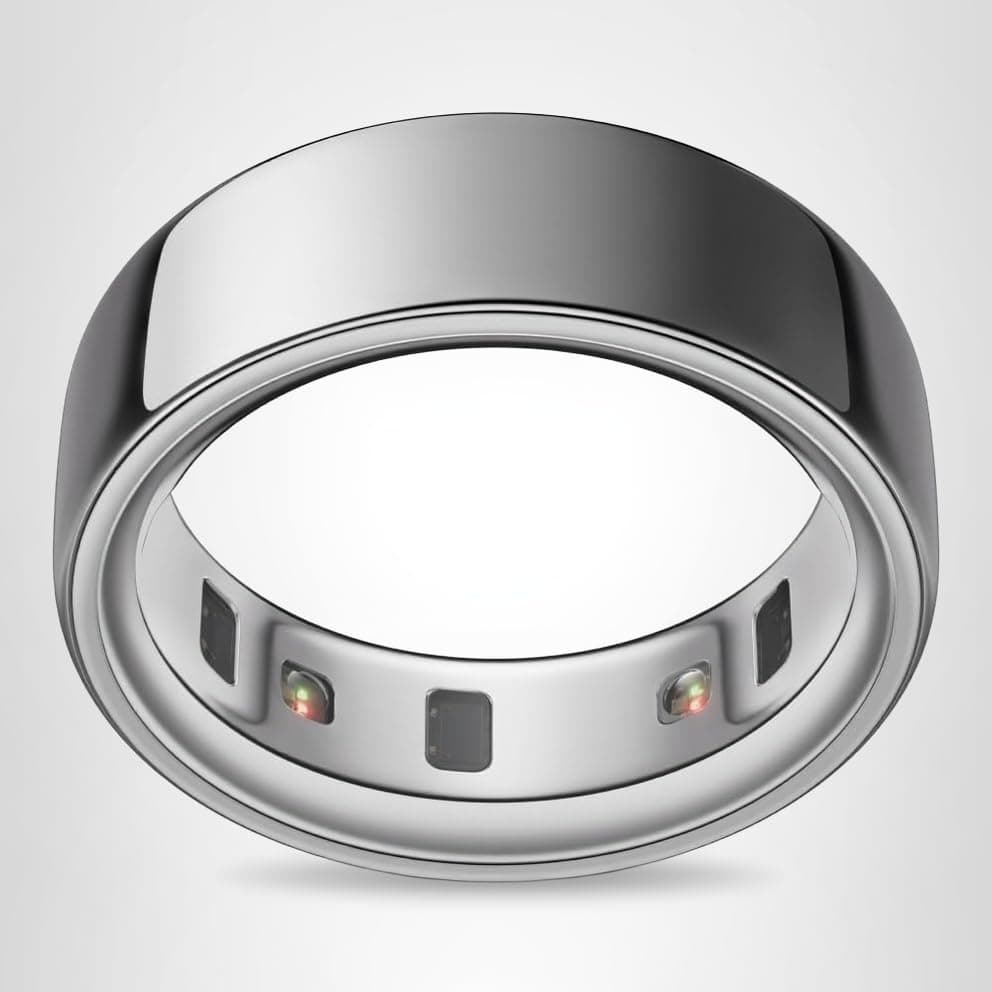
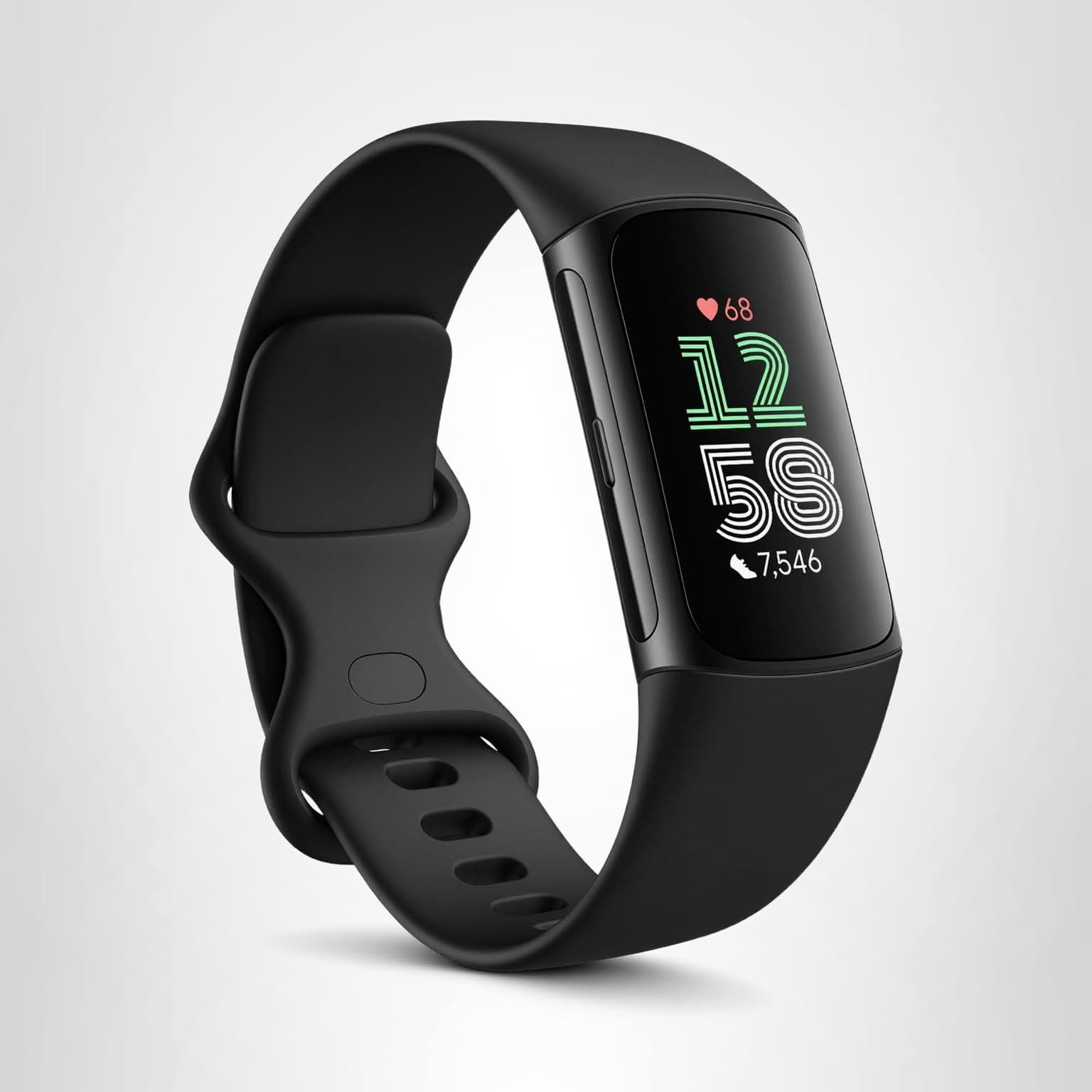
Affiliate disclosure: purchases via these links fund our work at no extra cost to you. Scores are independent of revenue.
FAQ
Does decaf affect sleep?
Slightly. Decaf still contains 2-15mg of caffeine per cup vs 80-120mg for regular. For very slow metabolizers, an evening decaf can still nudge sleep architecture. For most people, the disruption is below the perceptible threshold — decaf is the right swap when you want the ritual without the pharmacology.
What about caffeine in chocolate or tea?
Both count. Black tea has 40-70mg per cup; green tea has 25-45mg; matcha has 60-80mg (concentrated leaf). Dark chocolate has 10-25mg per ounce. All of these add to the daily total and to the cutoff math. Energy drinks vary wildly — Red Bull ~80mg, Bang ~300mg per can. Read the label.
Why do I feel fine if I drink coffee late?
You probably do fall asleep fine — caffeine doesn't always block sleep onset, especially in tolerant daily drinkers. What it changes is the depth of the cycles after onset. The quality drop shows up the next morning as fatigue rather than as a sleep-onset problem. The 'I feel fine' read is contradicted by sleep-tracker data in essentially every study.
Can I just drink less caffeine instead of cutting it earlier?
Both work, but cutoff is more leverage. A 200mg dose at 7am has the same residual at 11pm as a 100mg dose at 1pm. The bigger the dose, the more important the cutoff. If you can do both — earlier cutoff plus moderate dose — you get the cleanest sleep architecture.
How long until I see results from changing my cutoff?
Most people notice a difference by day 4-7. Tracker data (Oura, Whoop, Apple Watch) typically shows recovered deep-sleep within the first week. Subjective grogginess clears slightly slower. Two weeks is the window we recommend before deciding whether the change worked.
What about the caffeine nap — is it safe to nap after caffeine?
Yes, and it's well-studied. Caffeine has a 30-45 minute onset to peak effect, so a 20-minute nap immediately after the dose works because you're asleep before caffeine kicks in and awake just as it peaks. The combination beats either alone for afternoon alertness — and it's better for nighttime sleep than a late-afternoon coffee with no nap.
Built from peer-reviewed pharmacokinetic literature on CYP1A2 enzyme metabolism, adenosine receptor antagonism, and polysomnography studies of evening caffeine exposure. Primary sources: Nehlig (2018, Pharmacological Reviews) on caffeine metabolism; Drake et al. (2013, JCSM) on dose-response sleep disruption; Clark & Landolt (2017, Sleep Medicine Reviews) on caffeine and sleep homeostasis. The half-life ranges cited are population averages — your personal value can fall outside them and that is normal. We re-review this article annually and whenever a new sleep-architecture study on caffeine is published.
- [1]Nehlig, A. (2018). Interindividual differences in caffeine metabolism and factors driving caffeine consumption. Pharmacological Reviews, 70(2), 384-411.
- [2]Drake, C., Roehrs, T., Shambroom, J., & Roth, T. (2013). Caffeine effects on sleep taken 0, 3, or 6 hours before going to bed. Journal of Clinical Sleep Medicine, 9(11), 1195-1200.
- [3]Cornelis, M.C., et al. (2016). Genome-wide meta-analysis identifies six novel loci associated with habitual coffee consumption. Molecular Psychiatry, 20, 647-656.
- [4]Clark, I., & Landolt, H.P. (2017). Coffee, caffeine, and sleep: A systematic review of epidemiological studies and randomized controlled trials. Sleep Medicine Reviews, 31, 70-78.
- [5]Reichert, C.F., et al. (2021). Daily caffeine intake induces concentration-dependent medial temporal plasticity in humans. Cerebral Cortex, 31(6), 3149-3159.
Dr. Logan Foley, CSSC
Certified Sleep Science Coach (CSSC) trained through the Spencer Institute. Reviews every adult-sleep tool, gear review, and article on SleepyHero for clinical accuracy against current sleep society guidelines (AASM, ACP, NSF) and peer-reviewed literature.
Last updated:
SleepyHero independently researches every article. We do not accept payment from supplement brands, sleep tracker manufacturers, or pharmaceutical companies for editorial coverage. Affiliate links to recommended tools support the site at no cost to you.
Keep going
- ToolCaffeine cutoff calculator
Personalised cutoff time based on your bedtime and metabolism.
- ToolSleep cycle calculator
Once caffeine timing is fixed, dial in the bedtime.
- ToolSleep debt calculator
Quantify what fragmented deep sleep is actually costing you.
- ArticleThe 3am wake-up — five most likely causes
Caffeine is one of them; alcohol and cortisol are the others.
- ArticleWhy can't I fall asleep? Five causes.
If your cutoff is right but onset still fails, look here.
- ReviewOura Ring 4 review
Tracks the deep-sleep drop after late caffeine — the data is brutal.