The 3am wake-up — five most likely causes.
Built from sleep maintenance insomnia literature and AASM clinical guidelines on awakenings during cycles 3-4. Reviewed by Dr. Logan Foley, CSSC.
Waking at 3am — and not getting back — usually has one of five causes: alcohol metabolised to a stimulant in cycle 3, a 3am cortisol spike from chronic stress, a too-warm bedroom interrupting deep sleep, undiagnosed sleep apnea, or a trained bladder cue. The 3am timing is diagnostic: it's the cycle 3-to-4 boundary when REM is rising and sleep is at its most fragile.
Sleep maintenance insomnia — falling asleep fine but waking at 3am and not getting back — has a different cause profile than sleep onset insomnia. The body completed its first deep-sleep cycle, then something disrupted the second. Five things are responsible for the vast majority of cases; once you identify yours, the fix is usually straightforward.
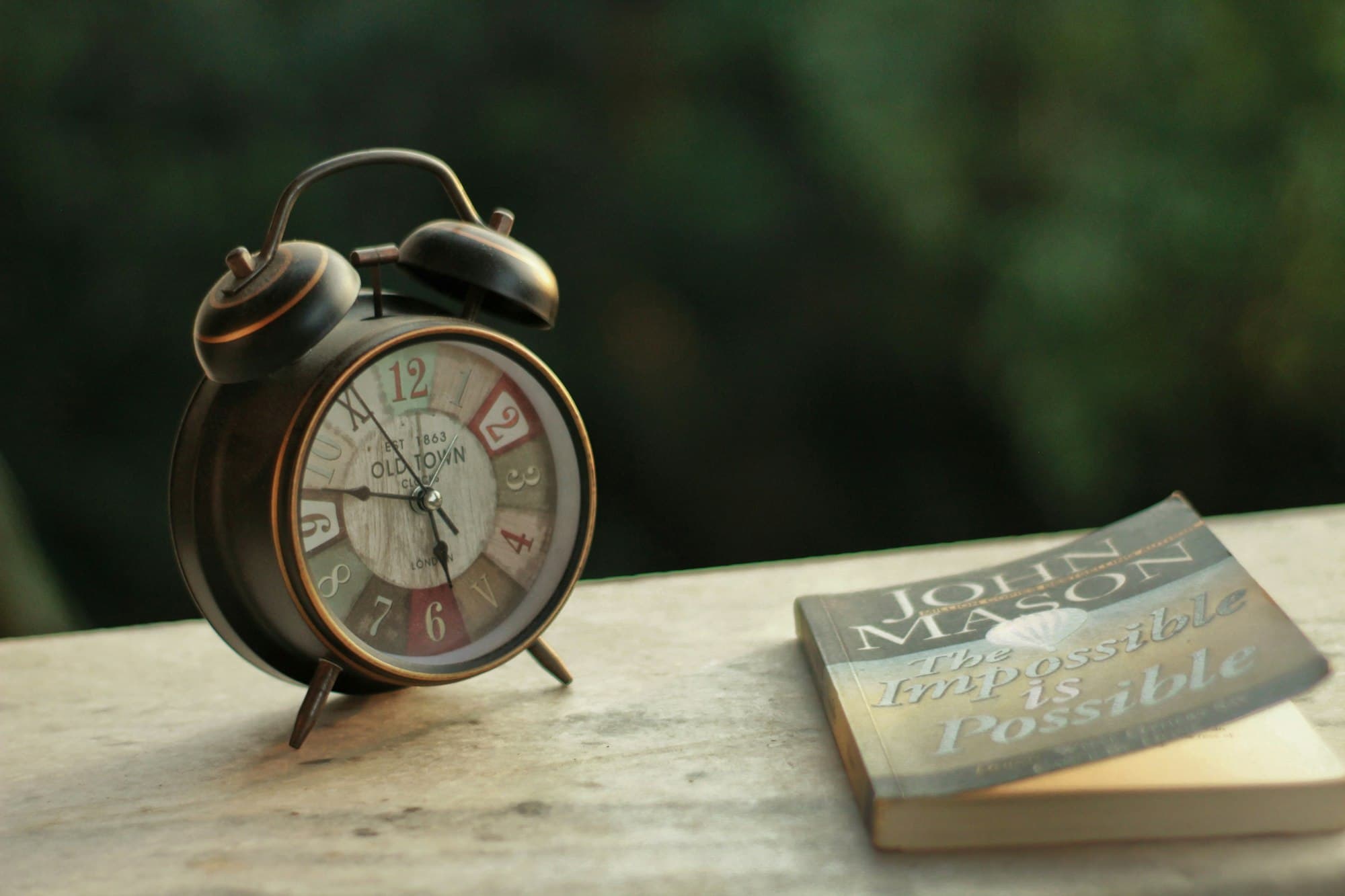
| Cause | Wake time | Diagnostic clue | First fix |
|---|---|---|---|
| Alcohol rebound | 1-3am | Drank within 4 hours of bed | Stop drinking 4+ hours before bed |
| Cortisol spike | 3-4am sharp | Anxious thoughts, racing heart | 10 min outdoor light each morning |
| Bedroom too warm | Variable | Sweating, kicking off covers | Drop room to 18-19°C / 65-67°F |
| Sleep apnea | Multiple/night | Snoring, dry mouth, day fatigue | Home sleep apnea test |
| Bladder cue | Any | Need to void on waking | Stop fluids 90 min before bed |
1 · Alcohol
The most common cause. Even a single drink three hours before bed shortens REM and triggers a rebound awakening when the alcohol clears the system around 2-3am.[1]
The mechanism: alcohol is a GABA agonist (sedating) until it metabolises, then becomes a glutamate agonist (stimulating). The transition typically happens at hour 4-5 after the drink. If your last drink is at 9pm, the rebound wakes you at 1-2am.
Two drinks roughly doubles the rebound vs one. Three drinks triples it and adds a heart-rate elevation that can persist for hours after waking.
The fix: stop drinking 4+ hours before bed. If you've already had a drink late, drinking water doesn't speed alcohol clearance — but it does reduce the dehydration that compounds the rebound.
Skim the symptoms. The match for your situation is your first fix to try.
Drank within 4 hours of bed; wake at 1-3am, often with racing heart or warmth.
Stop drinking 4+ hours before bed. Reduce dose if rebound persists.
Wake at 3-4am sharp with anxious thoughts; chronic stress in your life.
10 minutes of outdoor light within an hour of waking, daily for 2 weeks.
Wake feeling overheated or sweaty; bedroom is above 20°C / 68°F.
Drop the thermostat to 18-19°C / 65-67°F. Test for one week.
Loud snoring, witnessed pauses, dry mouth on waking, daytime fatigue despite 8 hours.
Get a home sleep apnea test. This is medical — see a sleep physician.
Wake to use the bathroom every night, regardless of fluid intake.
Stop fluids 90 minutes before bed. Treat as downstream of architecture issues above.
“The 3am timing is diagnostic — it's the cycle 3-to-4 boundary, when REM is rising and sleep is at its most fragile.”
2 · Cortisol awakening response gone early
Cortisol is supposed to rise sharply in the 30 minutes before your natural wake time — that's the cortisol awakening response (CAR). When chronic stress or trauma resets the timing, the CAR can fire 2-3 hours early.[2]
Symptom: you wake at exactly 3-4am, with a racing heart or jittery feeling, and can't get back to sleep even though you're exhausted. Your mind starts looping on tomorrow's tasks within minutes.
This responds to morning sun exposure, which helps anchor the cortisol curve back to a normal phase. 10 minutes of outdoor light within an hour of waking, every day for 2 weeks, often shifts it. The reason it works: light through the eyes is the strongest "phase setter" the brain has, and it directly suppresses early-cycle cortisol release.
If outdoor light isn't possible (winter, schedule), a 10,000-lux therapy lamp at the breakfast table for 20 minutes is roughly equivalent.
“If two or more apnea red flags fit, the home test is cheap enough that it's worth ruling out even at moderate suspicion.”
3 · Bedroom too warm
Body temperature drops 0.5-1°C during the deep-sleep phase. This is a regulated drop — your hypothalamus actively cools the core to enable slow-wave sleep. If the room is too warm, the body can't shed heat, and the second deep-sleep cycle is compromised. You wake.[3]
Optimal bedroom temperature for most adults is 18-19°C / 65-67°F. Most people sleep too warm — try dropping the thermostat 1-2°C and see if 3am wake-ups reduce within a week.
Bedding matters as much as ambient temperature. A heavy comforter that traps heat can defeat a cool room. The reverse also: a thin blanket in a cold room causes vasoconstriction that disrupts sleep differently. Aim for "neutral" — neither pulling covers up nor kicking them off.
Hot flashes (perimenopausal/menopausal) overlap heavily with this cause. The thermal regulation problem is more severe and typically responds to a cooling mattress pad more than thermostat alone.
The complete printable sleep toolkit.
Twelve printables that pair with the SleepyHero tools — caffeine cutoff cards, sleep-debt logs, jet-lag schedules, the cycle-boundary bedtime planner, and more. Free downloads, always updated.
Get the 12 free printables →4 · Sleep apnea (often missed)
Untreated obstructive sleep apnea causes micro-arousals throughout the night that you may not consciously remember — but the cumulative effect is fragmented sleep and a 3am wake-up that "feels like" insomnia.[4]
Red flags: you snore loudly, your partner has noticed pauses in breathing, you wake with dry mouth or headache, you're tired despite "8 hours" in bed, you have hypertension that won't respond to standard treatment.
If two or more red flags fit, get screened. Home sleep apnea tests are now widely available (~$200-400 in the US, often covered by insurance) and far cheaper than they used to be. Untreated sleep apnea has cardiovascular consequences beyond fatigue — it's linked to atrial fibrillation, stroke risk, and accelerated cognitive decline.
The most common treatments — CPAP, mandibular advancement devices, and positional therapy — all work but require a diagnosis first. Don't self-diagnose; the home test is cheap enough that it's worth ruling out even at moderate suspicion.
Score your sleep in eight questions.
The quiz scores your sleep on five dimensions and ranks the highest-leverage fix for you specifically. ~90 seconds.
5 · A full bladder you've trained yourself to notice
Most adults need to void at some point in the night past age 40, but the bladder cue doesn't always wake you — only when sleep is already light. When sleep architecture deteriorates (from any of the above causes), the bladder cue surfaces and presents as the "reason" you're awake.
Treating it as the cause is usually wrong. The bladder is the messenger. Fix the sleep architecture and the awakening usually goes with it.
That said, three direct fixes help: - Stop fluids 90 minutes before bed (ice cubes count; alcohol counts double) - If you're on diuretics or blood-pressure medication, ask your prescriber about morning dosing - For older men, undiagnosed BPH can dramatically increase nocturia — worth a urology consult past 50
If the bladder cue is truly the only issue and architecture is fine, you'll fall back to sleep within 5 minutes of returning to bed. If you're awake for 30+ minutes after, the bladder isn't the real cause.
What actually moves the needle.
Each strategy below is rated by evidence strength, with the specific source and what it does and doesn't solve. Run them in order.
Diagnose with the 7-day cause log
For one week, write down the wake time, what you drank in the evening, room temperature, and how you fell back asleep. Patterns surface within 5-7 days. Most people identify their dominant cause from this alone.
- +Distinguishing alcohol vs cortisol vs apnea
- +Showing trends you'd miss night-to-night
- +Building the data your doctor needs if a referral becomes necessary
- −Acute cases where you need to fix it tonight (try the most likely cause first)
- −People who can't or won't track consistently
Anchor morning light for 14 days
10 minutes of outdoor light within an hour of waking, every day, for two weeks. This shifts the cortisol curve back to a normal phase and resolves the early-CAR cause for most people.
- +Early cortisol spikes (cause #2)
- +General circadian alignment
- +Mood and energy independent of the wake-up issue
- −Alcohol-driven rebounds
- −Apnea-driven micro-arousals
- −Bedroom temperature problems
Get screened for sleep apnea if any red flags fit
Snoring, witnessed pauses, dry mouth on waking, hypertension that won't move on meds — any two of these warrant a home sleep apnea test. The test is cheap, the diagnosis is binary, and treatment changes cardiovascular risk profile dramatically.
- +The 30-40% of "insomnia" that's actually undiagnosed apnea
- +Cardiovascular risk reduction (separate benefit)
- −Cases without any apnea red flags
- −Acute alcohol or stress-driven wake-ups
What you get here that you don't get elsewhere.
- This guide
- We explain why 3am specifically — the cycle 3-to-4 boundary — and how the wake time itself helps narrow which cause is yours.
- Typical alternative
- List five causes with no explanation of why this wake time and not another.
- This guide
- Specific red-flag combinations that warrant a home sleep apnea test, what the test costs, and why screening matters even at moderate suspicion.
- Typical alternative
- Vague "see a doctor if it persists" with no actionable threshold.
- This guide
- Schematic of the normal vs early-CAR cortisol curve showing the 3am shift, with the morning-light intervention rationale.
- Typical alternative
- Mention cortisol generically without showing the timing or explaining what shifts it.
- This guide
- We explicitly note that the bladder cue is usually downstream of architecture issues, not the cause — fixing the wrong thing wastes weeks.
- Typical alternative
- Treat nocturia as a primary cause, leading to fluid restriction that doesn't help.
See a sleep physician if any of these apply: you snore loudly with witnessed pauses or gasping; you wake with dry mouth or morning headache; daytime sleepiness despite 7-8 hours in bed; the 3am wake-up persists 4+ weeks despite addressing the most likely cause; you have hypertension that won't respond to standard treatment. These are the apnea and sleep-disorder red flags that don't resolve with self-care. Polysomnography or a home sleep apnea test gives a definitive answer; both are widely available.
Related tools
People also ask
Why do I always wake up at 3am exactly?
The 3am timing usually means you completed your first two deep-sleep cycles cleanly and woke at the cycle 3-to-4 boundary, when REM is rising and sleep is at its most fragile. The most common triggers at this exact time are alcohol metabolism (now a stimulant), an early cortisol awakening response from chronic stress, or a too-warm bedroom interfering with deep-sleep thermoregulation.
Is waking up at 3am a sign of anxiety?
Often yes, via the cortisol awakening response. Chronic stress shifts the natural cortisol peak from ~8am to ~4am, which produces a 3am wake-up with racing heart, anxious thoughts, and inability to fall back asleep. The fix is morning sun exposure (10 minutes within an hour of waking, daily, for 2 weeks) — this re-anchors the cortisol curve to a normal phase.
Should I get up if I wake at 3am?
Yes, after about 20 minutes. Lying in bed awake conditions the brain to associate bed with wakefulness — a problem that compounds and becomes its own cause. Get up, do something boring under dim light (a paper book is ideal), return when sleepy. This is the stimulus-control technique from CBT-I, the most evidence-backed insomnia treatment.
What about magnesium for 3am wake-ups?
Magnesium glycinate has weak evidence for sleep maintenance, mostly via its effect on GABA. It's safe to try at 200-400mg before bed. It is not a substitute for fixing the underlying cause — if you stop the supplement and the wake-ups return, you've masked the problem rather than solved it.
Glossary.
The technical vocabulary used in this article, in plain English.
- Sleep maintenance insomnia
- The pattern of falling asleep without difficulty but waking during the night and having trouble returning to sleep. Distinct from sleep onset insomnia, which is difficulty falling asleep at the start of the night.
- Cortisol awakening response (CAR)
- The sharp rise in cortisol that occurs in the 30 minutes after natural waking. Normally peaks at ~8am. When timing shifts earlier (chronic stress), it produces 3am wake-ups with anxiety symptoms.
- GABA agonist
- A substance that activates GABA receptors, which are inhibitory and produce sedation. Alcohol is initially a GABA agonist (sedating) before metabolism converts it to a glutamate agonist (stimulating) — the mechanism behind the alcohol rebound wake-up.
- Glutamate agonist
- A substance that activates glutamate receptors, which are excitatory and produce wakefulness. Alcohol metabolites become glutamate agonists ~4-5 hours after consumption.
- Obstructive sleep apnea (OSA)
- A disorder in which the airway repeatedly collapses during sleep, causing breathing pauses and micro-arousals. Often presents as 3am wake-ups that feel like insomnia. Linked to hypertension, stroke risk, and atrial fibrillation when untreated.
- Micro-arousal
- A brief (3-15 second) shift to lighter sleep or wake that fragments sleep architecture without producing conscious memory of being awake. Caused by apnea events, late caffeine, alcohol metabolism, and other disruptors.
- Nocturia
- The medical term for waking to urinate during the night. In many cases, the bladder cue is downstream of fragmented sleep architecture rather than the primary cause of the awakening.
- Stimulus control
- A core CBT-I technique: only get into bed when sleepy; if awake more than 20 minutes, get out of bed and do something boring under dim light until sleepy again. Re-conditions the bed-sleep association.
From our test lab
Gear that helps
Tested picks that pair with this guide — scored independently, prices tracked across retailers.
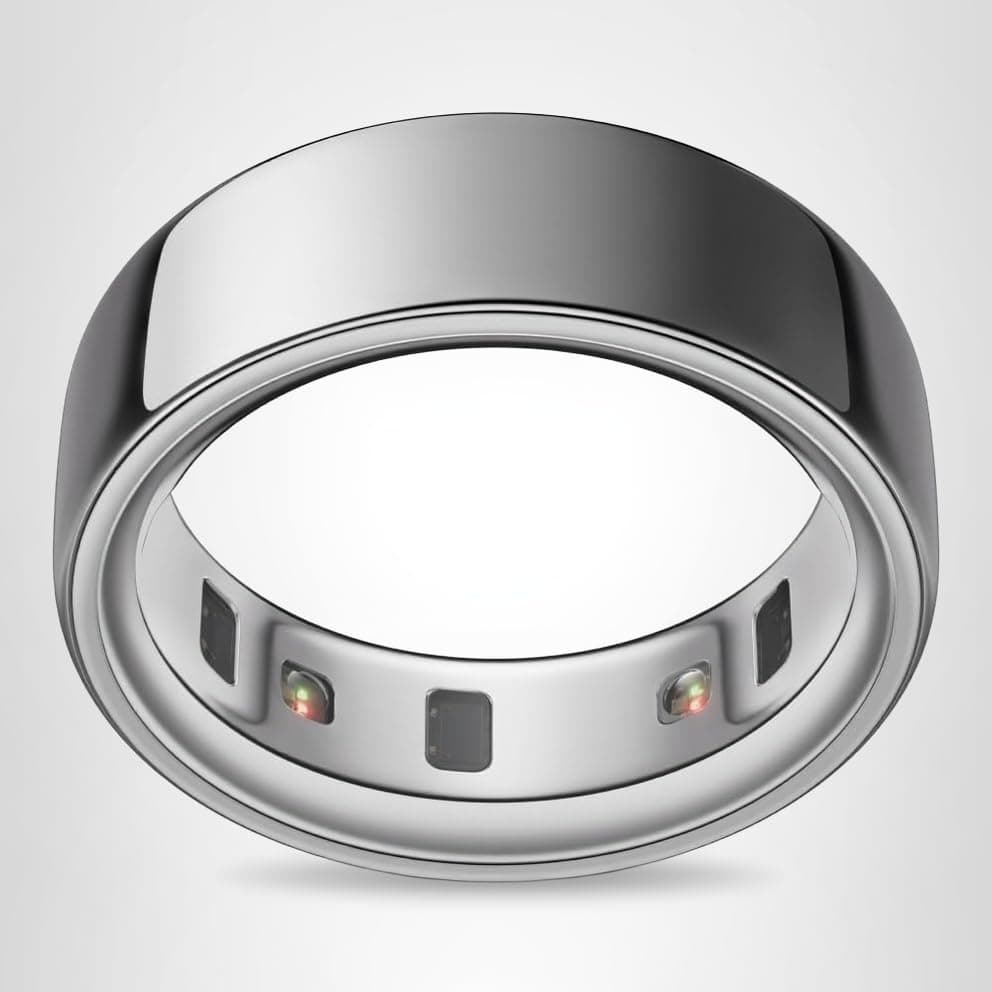
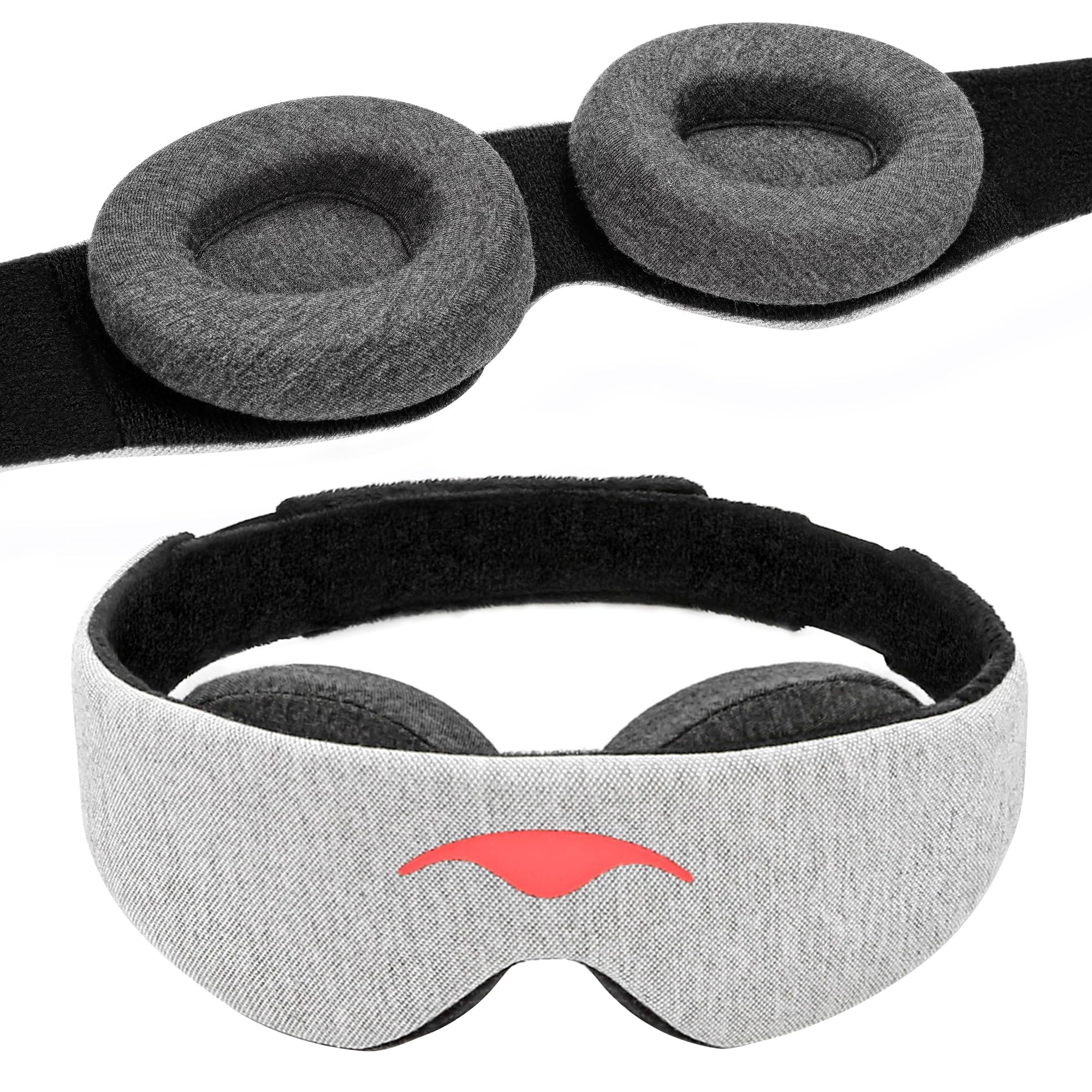
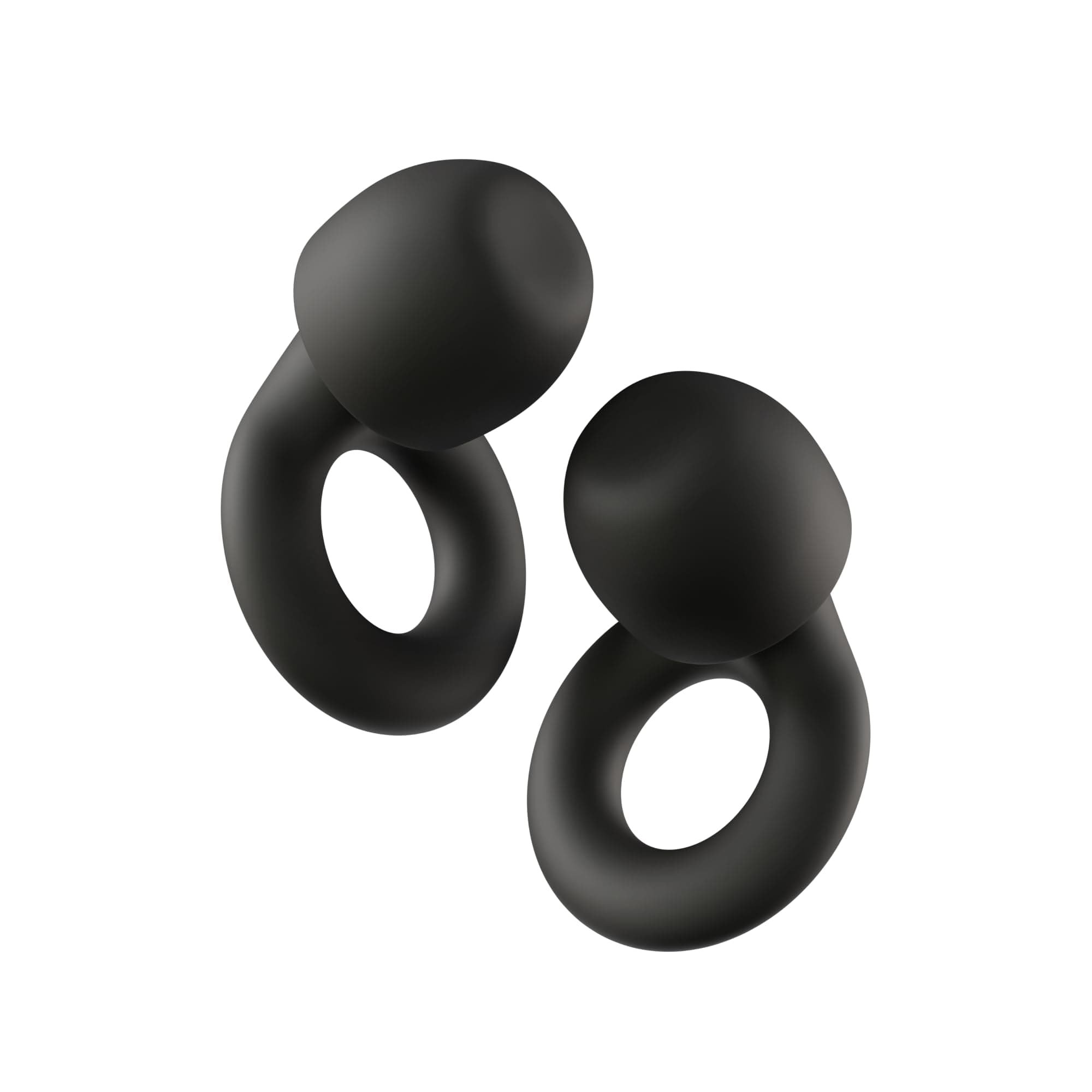
Affiliate disclosure: purchases via these links fund our work at no extra cost to you. Scores are independent of revenue.
FAQ
Is it normal to wake up briefly during the night?
Yes — brief awakenings between 90-minute cycles are normal and you usually don't remember them. The problem is when you wake fully and can't return to sleep within 20 minutes. That's the threshold that separates normal sleep from a maintenance issue worth investigating.
Should I just get up if I can't get back to sleep?
Yes, after about 20 minutes. Lying in bed awake conditions the brain to associate bed with wakefulness. Get up, do something boring under dim light (a paper book is ideal), return when sleepy. This is the stimulus-control technique from CBT-I.
What about magnesium for 3am wake-ups?
Magnesium glycinate has weak evidence for sleep maintenance, mostly via its effect on GABA. It's safe to try at 200-400mg before bed. It is not a substitute for fixing the underlying cause.
Can perimenopause cause 3am wake-ups?
Yes, very commonly. Hormonal shifts disrupt thermoregulation (hot flashes interrupt deep sleep) and lower the threshold for cortisol-driven awakenings. The fix combines bedroom cooling, cooling mattress pads, and — if appropriate — discussion with a clinician about hormone therapy or specific medications that target sleep maintenance in this context.
How do I know if it's the alcohol or the cortisol?
Track for 3-4 nights. Drink one night, abstain the next, and compare wake times and how you felt on waking. Alcohol rebound tends to wake you closer to 1-2am with warmth or palpitations. Cortisol-driven wake-ups are sharper at 3-4am with anxious mental content. Most people can distinguish them within a week.
Does melatonin help 3am wake-ups?
Mostly no. Melatonin helps with sleep onset (timing the start of sleep) more than maintenance. The exception is if your wake-ups stem from circadian misalignment (you're trying to sleep at the wrong phase for your clock), in which case low-dose timed melatonin may help. For the five causes covered here, the matched fix beats melatonin.
Compiled from sleep maintenance insomnia literature, AASM clinical practice guidelines, and CBT-I protocols. Primary sources: Roehrs & Roth (2018) on alcohol and sleep; Clow et al. (2010) on the cortisol awakening response; Senaratna et al. (2017, Sleep Medicine Reviews) on OSA prevalence and underdiagnosis. The sleep apnea section is general — if any red flags fit, see a sleep physician. We re-review this article when major OSA screening guidelines update.
- [1]Roehrs, T., & Roth, T. (2018). Sleep, sleepiness, and alcohol use. Alcohol Research & Health, 25(2), 101-109.
- [2]Clow, A., Hucklebridge, F., Stalder, T., Evans, P., & Thorn, L. (2010). The cortisol awakening response: more than a measure of HPA axis function. Neuroscience & Biobehavioral Reviews, 35(1), 97-103.
- [3]Okamoto-Mizuno, K., & Mizuno, K. (2012). Effects of thermal environment on sleep and circadian rhythm. Journal of Physiological Anthropology, 31(1), 14.
- [4]Senaratna, C.V., Perret, J.L., Lodge, C.J., et al. (2017). Prevalence of obstructive sleep apnea in the general population: A systematic review. Sleep Medicine Reviews, 34, 70-81.
Dr. Logan Foley, CSSC
Certified Sleep Science Coach (CSSC) trained through the Spencer Institute. Reviews every adult-sleep tool, gear review, and article on SleepyHero for clinical accuracy against current sleep society guidelines (AASM, ACP, NSF) and peer-reviewed literature.
Last updated:
SleepyHero independently researches every article. We do not accept payment from supplement brands, sleep tracker manufacturers, or pharmaceutical companies for editorial coverage. Affiliate links to recommended tools support the site at no cost to you.
Keep going
- ToolSleep cycle calculator
3am is the cycle 3-to-4 boundary — wake-time math identifies the cause.
- ToolCaffeine cutoff calculator
Late caffeine is one of the five common causes.
- ToolSleep debt calculator
Track whether the wake-ups are accumulating real debt.
- ArticleCaffeine and your sleep architecture
Why caffeine fragments cycles 3 and 4 specifically.
- ArticleWhy can't I fall asleep? Five causes.
The other side of insomnia — onset rather than maintenance.
- ReviewOura Ring 4 review
Wake-after-sleep-onset (WASO) tracking confirms the pattern.