Active vs passive cooling — the mechanism
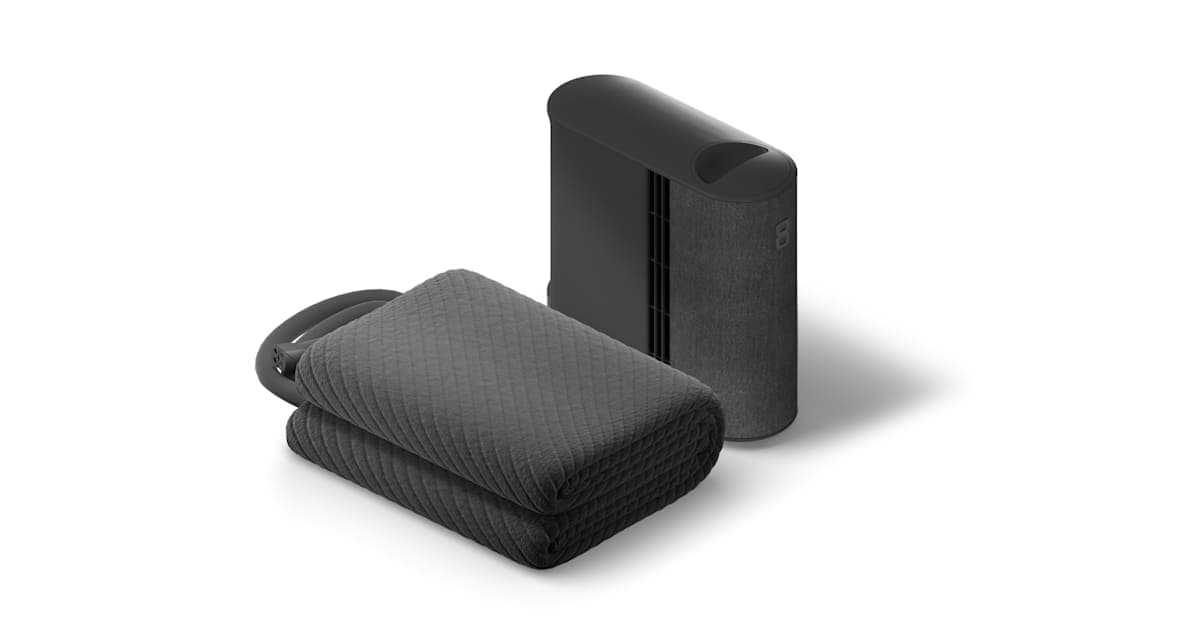
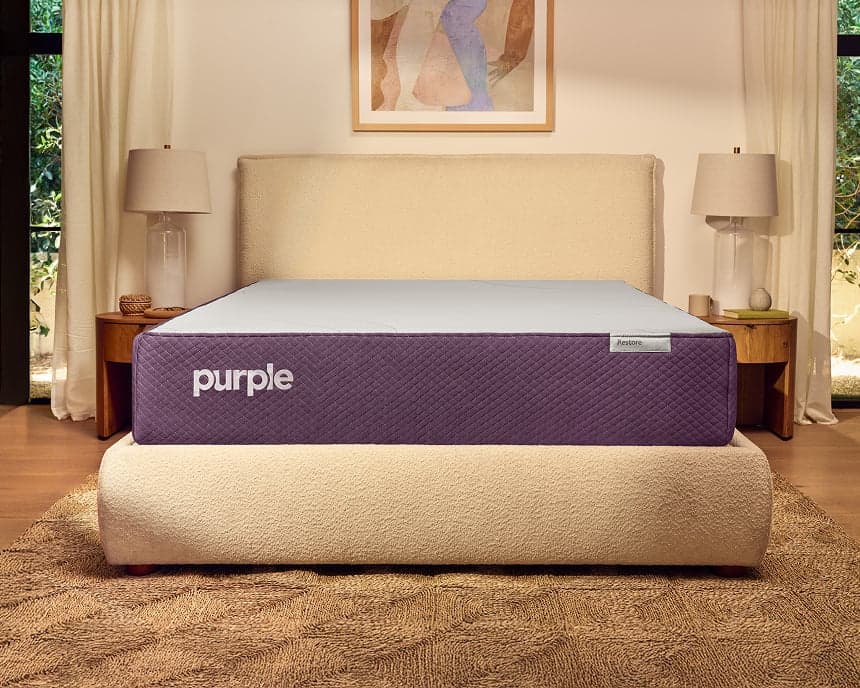
Winner: Eight SleepThis is the whole comparison in one line. The Pod 4 is a cover with a powered hub that chills or warms water and circulates it through the sleep surface, holding each side anywhere from 55°F to 110°F. Purple has no mechanism at all in the electrical sense: the 3″ GelFlex Grid is an open, air-permeable structure that lets body heat escape instead of pooling in foam, and Purple's own thermal testing rates it up to 4x cooler than leading competitors. That is Purple's claim rather than a measurement of ours, and we're not putting a number on the Pod 4's real-world delta either.
The ceiling is where they separate. A passive surface can only move heat away from you; it cannot hold the sleep surface below the temperature of the room, because there is nothing doing the work but airflow and conduction. Active circulation can, because a compressor is doing the work. If your bedroom sits at 78°F in August, or if you wake up soaked at 3am, that difference is not academic — venting heat faster is not the same as removing it.
Our scorecards reflect the gap as narrow but real: Cooling 10 for the Pod 4, 9.5 for Purple. For a normal hot sleeper in a normal bedroom, Purple's passive approach is very likely enough. For thermal problems that outrun a room's ambient temperature, only the Pod 4 has the physics on its side.