Wearing something vs wearing nothing
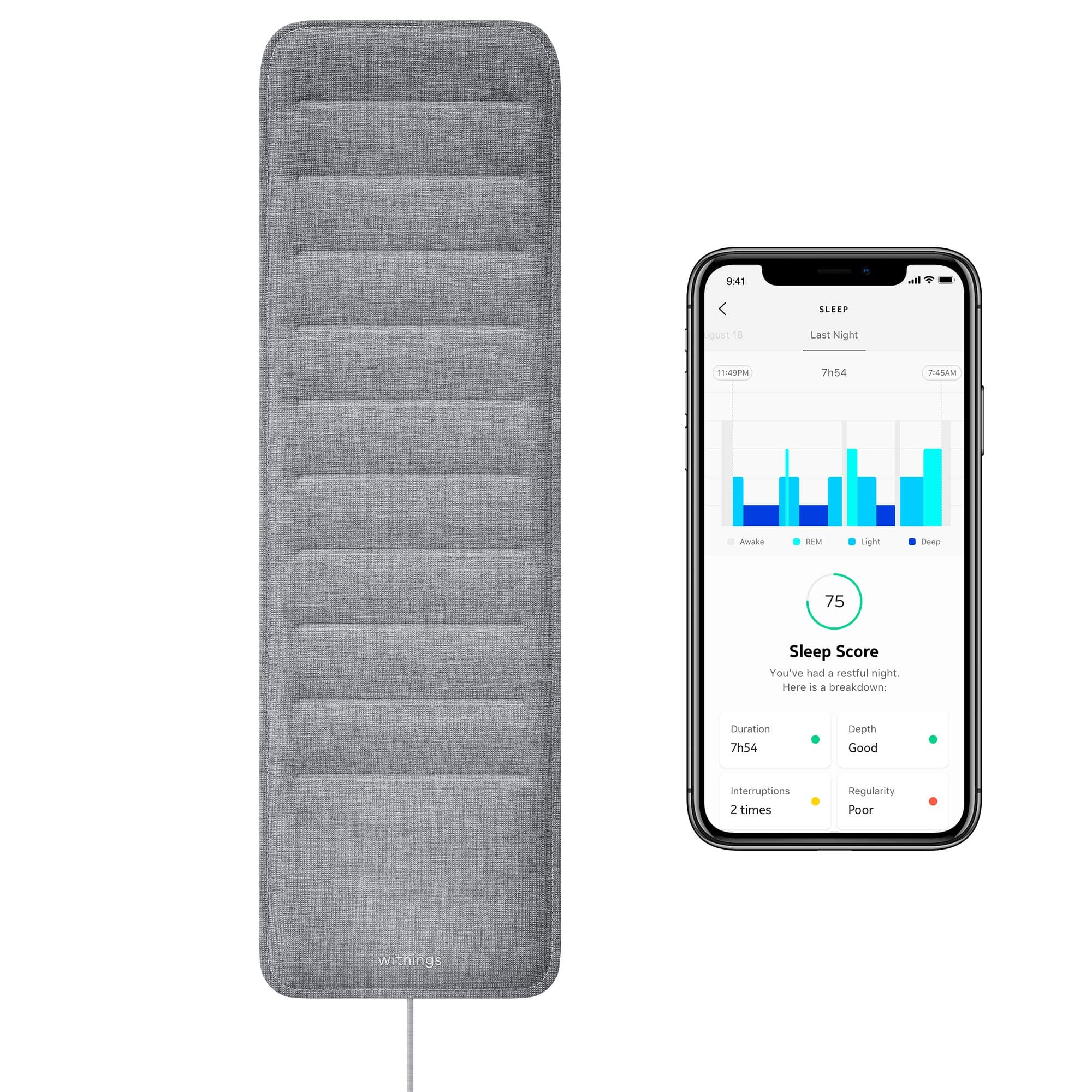
Winner: Withings SleepThis is the whole comparison, and unlike most versus pages it doesn't resolve into a tie — the pad edges it 10/10 to 9/10 on comfort in our scoring, for the simple reason that there is nothing to be comfortable in. The Withings Sleep Analyzer is a thin pneumatic strip that lives under the mattress. There is no wear experience to rate.
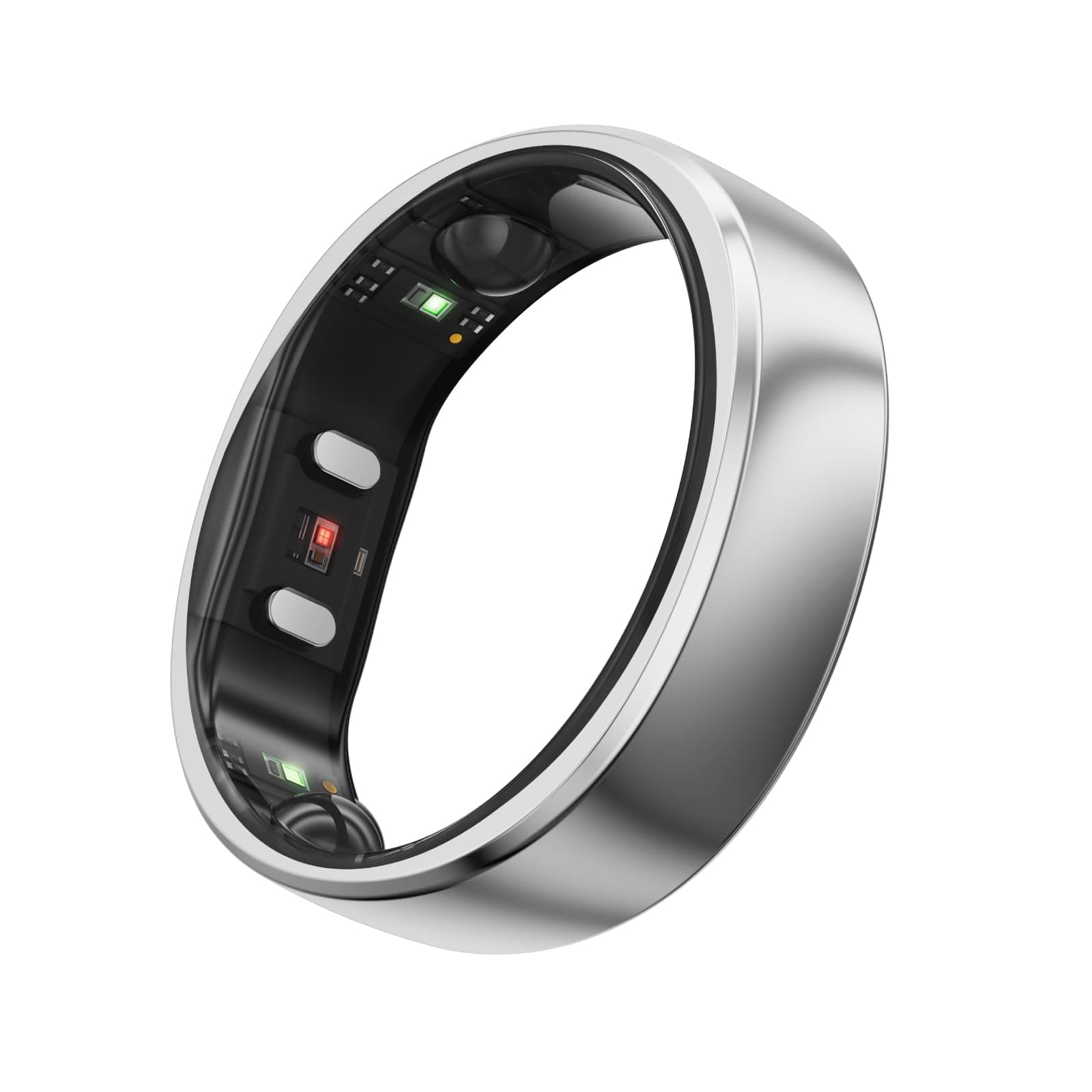
RingConn Gen 2's 9/10 is a genuinely high score and the ring is one of the least intrusive things you can wear overnight — titanium, light, no strap, no pressure point when you sleep with a forearm under a pillow. But it is still an object on your body with the failure modes that implies. Our product data flags the sizing kit as a con, which delays your first night of data by about a week. Finger size shifts with heat, weight change and pregnancy, and a ring that fit in January can be wrong in July — RingConn's own FAQ warns that fit is unforgiving and size returns are a hassle. And rings catch on things: barbells, climbing holds, gardening. Those are real costs for a device you're meant to wear 24/7.
The pad's equivalent constraint isn't comfort, it's coverage. Its spec sheet lists one sleeper per side, and Withings' own FAQ tells couples to buy two or place it under whoever wants the data. A partner who sprawls across the middle, or a week where you swap sides, muddies data that a worn device would never confuse. So: the pad is more comfortable and less certain about who it's measuring; the ring is slightly less comfortable and never in doubt.