The charging problem
Winner: Withings SleepThe widest scored gap in this pair — battery 10/10 for the Withings against 5/10 for the Apple Watch — and the one that decides the comparison for a lot of buyers before any other spec matters.
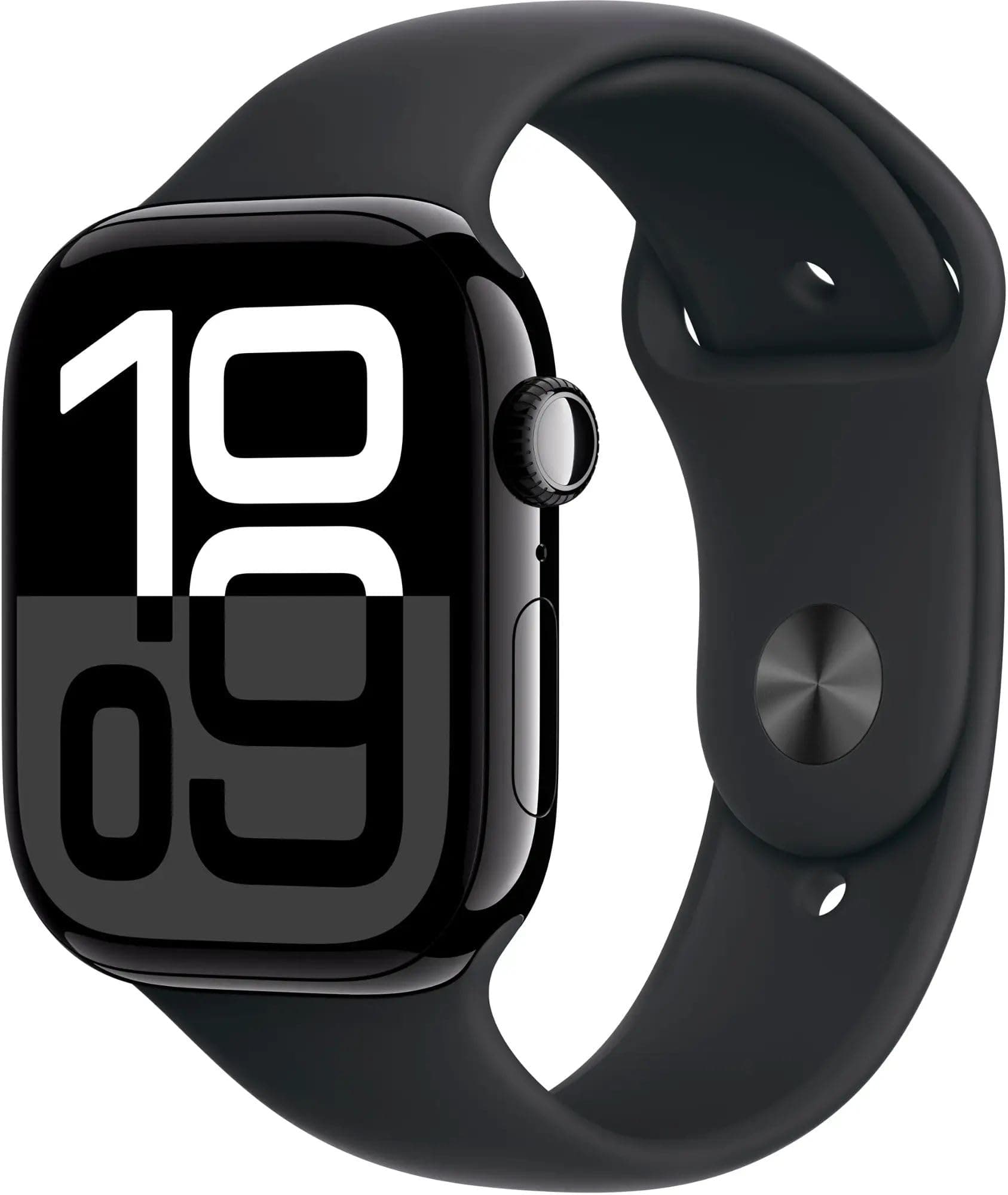
The Apple Watch Series 10 is rated at 18 hours. A day has 24. That arithmetic is not a detail, it is a structural conflict: to wear the watch overnight you must charge it during a window when you are awake, every single day, forever. Apple's own product notes concede the point, listing nightly charging conflicting with wearing it to bed among the device's three cons. The routine that works is charging while you shower or over breakfast, and plenty of owners run it happily for years. But the failure mode is unforgiving — forget once and you wake up to a dead watch and a missing night, and the whole value of a sleep tracker is the unbroken run of nights.
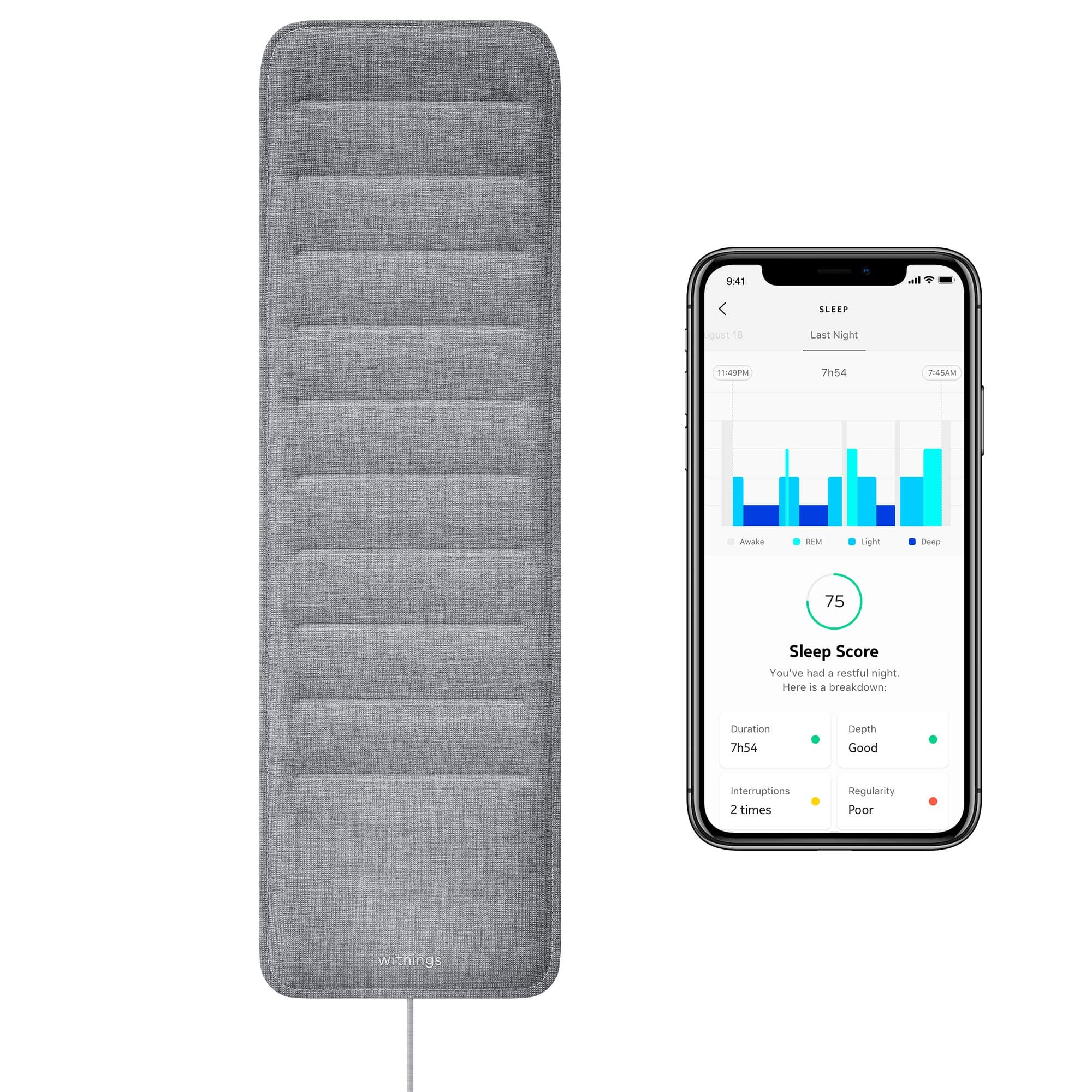
The Withings Sleep Analyzer has no charging story at all, which is why it scores a 10. It is a pneumatic strip you slide under the mattress once and then never think about again. It draws mains power, records every night automatically, and its practical uptime is limited by nothing except whether you sleep in that bed. For building a year-long data set that you can actually look back on, that difference is worth more than any sensor spec on either side.
The watch's counter is that its battery pays for capability the pad doesn't have — a bright always-on display, cellular, GPS, apps. That's true, and if you want those things the trade is fair. It just isn't a trade that helps you sleep.