8 best herbal teas for sleep, ranked by what actually works.
The honest version. Two have human trial evidence, and even that evidence is thin. Four rest on animal data, single small studies, or nothing. One you should skip at bedtime entirely. If you want the tea, have the tea — just know what you’re buying.
Sleep evidence by tea, charted.
Our editorial read on the strength of evidence for each tea, not a published score. Even the top-ranked herb rests on trials the reviewers themselves called methodologically weak — the scale is relative to the other teas, not to sleep medicine as a whole.
The 3 worth brewing tonight.
Valerian root for chemical effect.
The most-studied herbal sleep aid, and still not a settled question. A 2006 meta-analysis of 16 trials in 1,093 people found those taking valerian were about 1.8× as likely to report improved sleep — but the same authors flagged significant methodological problems across the trials, wildly inconsistent preparations, and evidence of publication bias, which means the true effect is probably smaller than that number suggests. Brew strong: 2 tsp dried root per cup, steep covered for 10 min. Drink 30–60 min before bed. The taste is the limiting factor — most people add lemon and honey.
- +Self-reported sleep quality in adults with mild insomnia
- +People willing to give it 7-14 nights before judging
- +Anyone who wants the best-studied option in the cupboard
- −Severe insomnia (CBT-I or medication needed)
- −People who can't tolerate the taste
- −Sleep-maintenance issues (helps onset more than maintenance)
Chamomile for the daily ritual.
Apigenin, the flavonoid in chamomile, binds GABA receptors weakly — that's the proposed mechanism, established in animal work rather than in people. In humans the effect is small: a 28-day trial of chamomile extract capsules improved sleep quality in 60 older adults, and a trial in sleep-disturbed postnatal women found benefits that had faded by the four-week follow-up. Note both used extract, not brewed tea, at doses a teabag won't deliver. Universally palatable — sweet, apple-like. The right pick for nightly use because consistency beats potency.
- +Establishing a consistent wind-down ritual
- +Older adults (the population most trials used)
- +Anyone who wants the lowest-risk option on this list
- −People allergic to ragweed (cross-reaction)
- −Severe insomnia
- −Anyone expecting valerian-strength effect
Valerian + lemon balm + chamomile blend.
This is the stack most supermarket bedtime blends use, and it's a reasonable one — but be clear that the case for the combination is practical, not evidential. We could not find a trial showing valerian plus lemon balm beats valerian alone for sleep. What the blend reliably does is make valerian drinkable, which matters if the alternative is not drinking it. Pick a blend that lists these three as the first three ingredients.
- +People who find valerian alone too strong-tasting
- +Building a repeatable wind-down ritual
- +Easy purchase — pre-blended is fine
- −If you're on antidepressants/sedatives — interaction risk
- −Severe insomnia
All 8 teas, ranked.
1. Valerian root
Best-studiedTaste: Earthy, sulphurous, polarising
16 trials pooled in a 2006 meta-analysis, all of them methodologically weak by the reviewers' own account.
2. Chamomile
Small effectTaste: Mild, sweet, apple-like
Apigenin binds GABA weakly in animal studies. Human trials used extract capsules, not teabags. Most palatable and widely tolerated.
3. Passionflower
One small trialTaste: Mild, slightly grassy
41 healthy adults, benefit on 1 of 6 sleep measures. Often blended with valerian or lemon balm.
4. Lemon balm
Mostly untested aloneTaste: Lemony, fresh
Almost always studied inside multi-herb formulas, so its own contribution is unknown.
5. Lavender
Studied inhaled, not brewedTaste: Floral; soapy if oversteeped
The sleep research on lavender is about inhaling it. Nobody has tested lavender tea head-to-head against it.
6. Magnolia bark
Animal data onlyTaste: Bitter, woody
Honokiol shows GABA activity in animal studies; no human sleep trials we could find.
7. Lemongrass
No sleep evidenceTaste: Bright, citrus
No established sleep mechanism — calming aroma only.
8. Peppermint
Skip at bedtimeTaste: Cool, sharp
Peppermint relaxes the lower oesophageal sphincter, which can worsen reflux once you lie down. Not a sleep herb.
The ritual matters as much as the chemistry.
Most randomised trials of herbal sleep teas show modest effect sizes. The bigger sleep impact probably comes from what the tea ritual displaces: doom-scrolling, late-night work email, the fourth glass of wine.
“The warm drink + dim light + 30-minutes-before-bed combination is more powerful than any single herb in the cup.”
Treat the tea as one element of a wind-down routine, not the whole intervention.
What to do if tea isn’t enough.
- • Add 4-7-8 breathing in bed after the tea — see our breathing-exercises guide.
- • Audit caffeine — even one afternoon coffee fragments sleep.
- • If insomnia has lasted > 3 weeks, see a clinician — CBT-I outperforms sleep medication long-term.
What you get here that you don't get elsewhere.
- This guide
- Peppermint at bedtime can worsen reflux. Lemongrass has no sleep evidence. Lavender's sleep research is about inhaling it, not drinking it. Magnolia bark is animal data only. We say it.
- Typical alternative
- Most “best teas for sleep” lists rank everything as helpful so the affiliate links convert. Eight items, all positive.
- This guide
- The warmth + dim light + 30-min-before-bed window does most of the work. We say so. Tea is a delivery vehicle for ritual.
- Typical alternative
- Marketing-driven content overstates the chemistry to justify expensive blends.
- This guide
- Valerian with sedatives, kava with liver injury, St John's Wort with almost everything. Named pairings to take to your pharmacist — we don't tell you which ones are safe.
- Typical alternative
- Most articles end at “consult a doctor” without naming the actual interactions.
Glossary.
The technical vocabulary used in this article, in plain English.
- GABA receptor
- Gamma-aminobutyric acid receptor. The primary inhibitory neurotransmitter system in the brain. Benzodiazepines, alcohol, and several herbal sleep compounds (valerian, chamomile's apigenin) all act on GABA-A receptors with different binding strengths.
- Apigenin
- Flavonoid found in chamomile (and parsley, celery). Binds weakly to GABA-A receptors in animal studies, which is the proposed mechanism for chamomile's mild sedative effect.
- Sleep latency
- Time it takes to fall asleep after lights out. Normal: 10-20 min. Sleep onset insomnia is >30 min. Most herbal sleep tea trials measure improvement in this number.
- CBT-I
- Cognitive Behavioural Therapy for Insomnia. Gold-standard non-pharmaceutical treatment. Outperforms sleep medication long-term and includes wind-down rituals like sleep tea as one component.
People also ask
Does chamomile tea actually help you sleep?
A little, on modest evidence. Chamomile contains apigenin, a flavonoid that binds weakly to GABA receptors — the same target as benzodiazepines, but far weaker, and that mechanism comes from animal work. In humans, a 28-day trial of chamomile extract improved sleep quality in 60 older adults, and a trial in sleep-disturbed postnatal women saw benefits that had disappeared by the four-week follow-up. Both used concentrated extract rather than brewed tea, so a teabag is a weaker dose than the studies. The ritual and warmth probably matter as much as the chemistry.
Is valerian root tea more effective than chamomile?
It's better studied, which isn't quite the same as more effective. A 2006 meta-analysis of 16 valerian trials found people were about 1.8× as likely to report improved sleep — while noting that the trials were methodologically weak, the preparations were inconsistent, and there were signs of publication bias. No comparison trial pits valerian against chamomile directly. On taste, valerian is challenging (sulphurous, earthy, often described as 'gym socks') and most people who try it once don't drink it again. If you can tolerate it, brew strong (2 tsp dried root per cup, steep 10 min) 30–60 min before bed.
How long before bed should I drink sleep tea?
30–60 minutes before bed is the window the trials tend to use, and it's a sensible default. Drink it much later and the bladder wakes you before the herb does anything — that trade-off is real, so start with a small cup (200 ml) until you know how you respond.
Can I drink sleep tea every night?
For most healthy adults, nightly chamomile, lavender or lemon balm tea is low-risk, and we're not aware of a documented dependence or tolerance problem with any of them — though long-term nightly use simply hasn't been studied. Valerian is debated; some practitioners suggest cycling it, but there's no evidence either way. Kava is the real exception: it has been linked to serious liver injury and is restricted or banned in several countries, so don't drink kava-containing blends nightly, and talk to your doctor before drinking them at all. If you're pregnant, breastfeeding, or on prescription medication, check with a pharmacist before making any herbal tea a nightly habit.
Frequently asked questions.
Does chamomile tea actually help you sleep?
A little, on modest evidence. Chamomile contains apigenin, a flavonoid that binds weakly to GABA receptors — the same target as benzodiazepines, but far weaker, and that mechanism comes from animal work. In humans, a 28-day trial of chamomile extract improved sleep quality in 60 older adults, and a trial in sleep-disturbed postnatal women saw benefits that had disappeared by the four-week follow-up. Both used concentrated extract rather than brewed tea, so a teabag is a weaker dose than the studies. The ritual and warmth probably matter as much as the chemistry.
Is valerian root tea more effective than chamomile?
It's better studied, which isn't quite the same as more effective. A 2006 meta-analysis of 16 valerian trials found people were about 1.8× as likely to report improved sleep — while noting that the trials were methodologically weak, the preparations were inconsistent, and there were signs of publication bias. No comparison trial pits valerian against chamomile directly. On taste, valerian is challenging (sulphurous, earthy, often described as 'gym socks') and most people who try it once don't drink it again. If you can tolerate it, brew strong (2 tsp dried root per cup, steep 10 min) 30–60 min before bed.
How long before bed should I drink sleep tea?
30–60 minutes before bed is the window the trials tend to use, and it's a sensible default. Drink it much later and the bladder wakes you before the herb does anything — that trade-off is real, so start with a small cup (200 ml) until you know how you respond.
Can I drink sleep tea every night?
For most healthy adults, nightly chamomile, lavender or lemon balm tea is low-risk, and we're not aware of a documented dependence or tolerance problem with any of them — though long-term nightly use simply hasn't been studied. Valerian is debated; some practitioners suggest cycling it, but there's no evidence either way. Kava is the real exception: it has been linked to serious liver injury and is restricted or banned in several countries, so don't drink kava-containing blends nightly, and talk to your doctor before drinking them at all. If you're pregnant, breastfeeding, or on prescription medication, check with a pharmacist before making any herbal tea a nightly habit.
Will herbal sleep tea interact with medications?
Possibly, and this is the one question in this article you should not take from an article. Valerian, kava and St John's Wort are all documented to interact with common prescriptions — sedatives, antidepressants and blood thinners among them — and St John's Wort in particular affects the liver enzymes that clear many drugs, including hormonal contraception. Chamomile is often flagged as a theoretical concern alongside warfarin. We are not going to tell you which combinations are fine. If you take any prescription medication, are pregnant or breastfeeding, show your pharmacist the ingredient list before you start a nightly sleep-tea routine. It takes two minutes and it's free.
- [1]Bent S, Padula A, Moore D, Patterson M, Mehling W. 'Valerian for sleep: a systematic review and meta-analysis.' American Journal of Medicine, 2006;119(12):1005-1012. (16 trials, 1,093 patients; RR of improved sleep 1.8, 95% CI 1.2-2.9 — but the authors flag significant methodological problems and evidence of publication bias.)
- [2]Adib-Hajbaghery M, Mousavi SN. 'The effects of chamomile extract on sleep quality among elderly people: A clinical trial.' Complementary Therapies in Medicine, 2017;35:109-114. (60 participants, 400 mg/day chamomile extract capsules for 28 days.)
- [3]Ngan A, Conduit R. 'A double-blind, placebo-controlled investigation of the effects of Passiflora incarnata (passionflower) herbal tea on subjective sleep quality.' Phytotherapy Research, 2011;25(8):1153-1159. (41 healthy adults; benefit on 1 of 6 sleep measures.)
- [4]Chang SM, Chen CH. 'Effects of an intervention with drinking chamomile tea on sleep quality and depression in sleep disturbed postnatal women: a randomized controlled trial.' Journal of Advanced Nursing, 2016;72(2):306-315. (Benefit did not persist at 4-week follow-up.)
- [5]Lillehei AS, Halcon LL. 'A systematic review of the effect of inhaled essential oils on sleep.' Journal of Alternative and Complementary Medicine, 2014;20(6):441-451.
Logan Foley, CSSC
Certified Sleep Science Coach via the Spencer Institute. Writes about adult sleep, supplements, and sleep tech. Reviews every adult-sleep article on SleepyHero before publication.
Last updated:
No tea brand or supplement company paid for placement in this article. Affiliate links to recommended brands support the site at no cost to you.
From our test lab
Gear that helps
Tested picks that pair with this guide — scored independently, prices tracked across retailers.
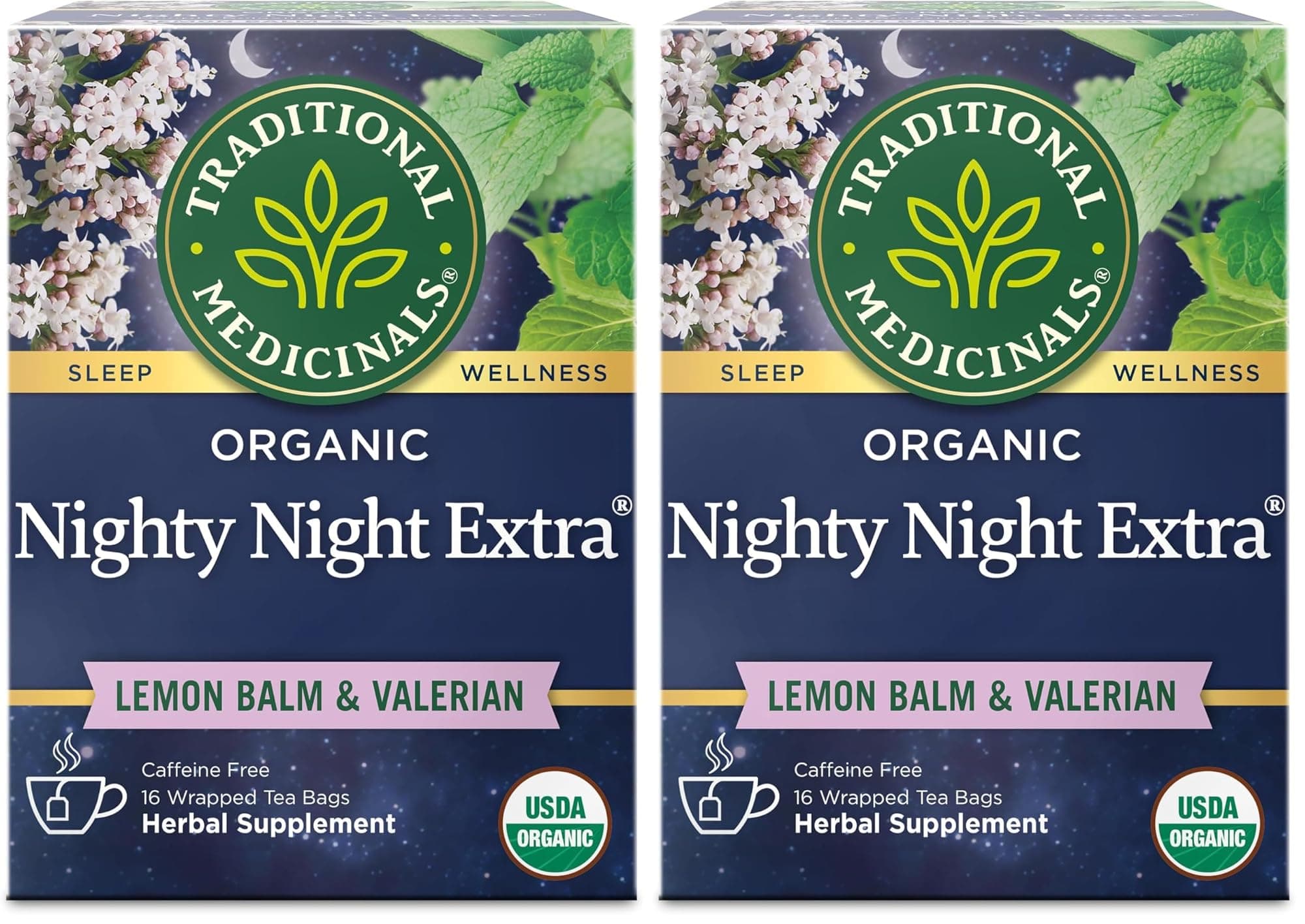
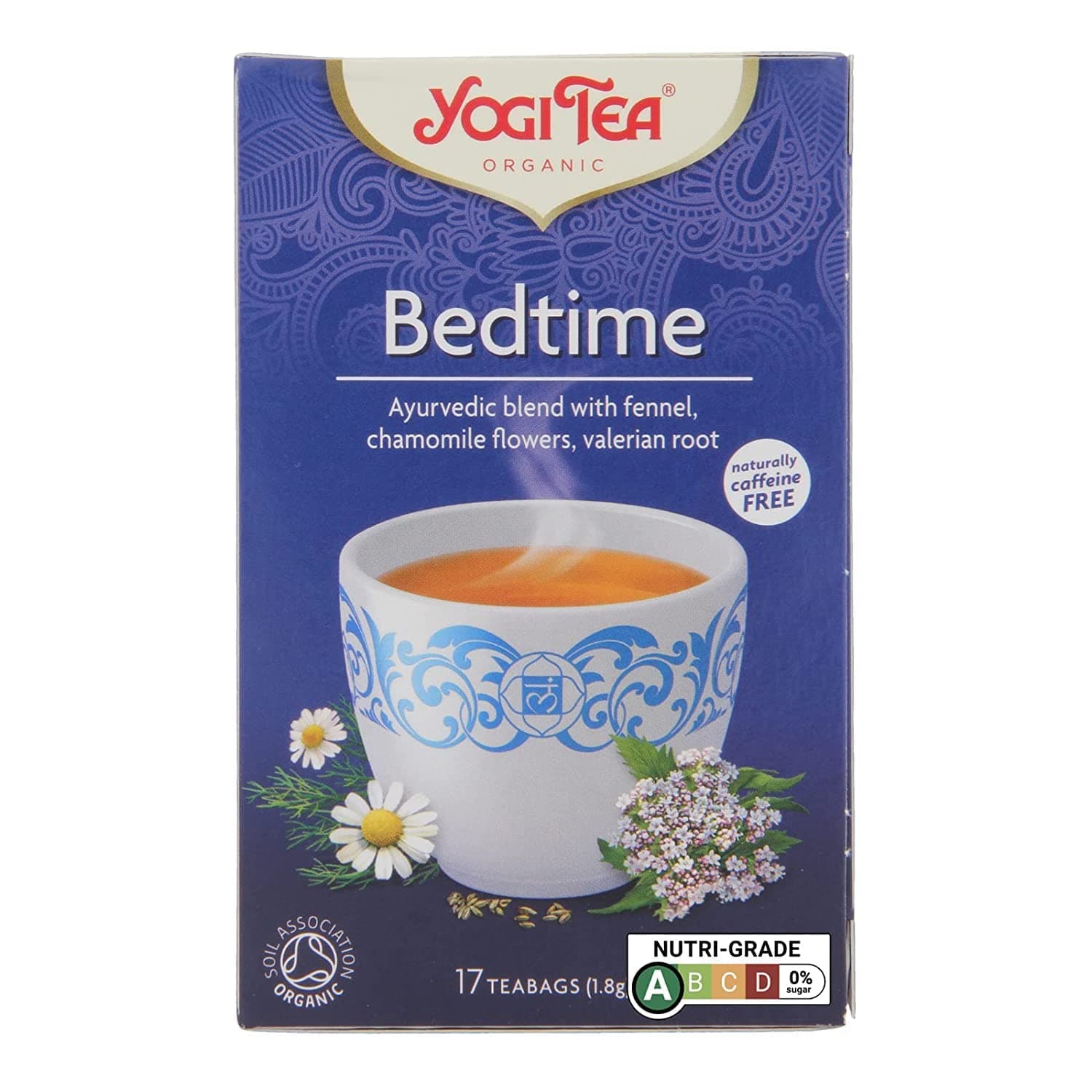
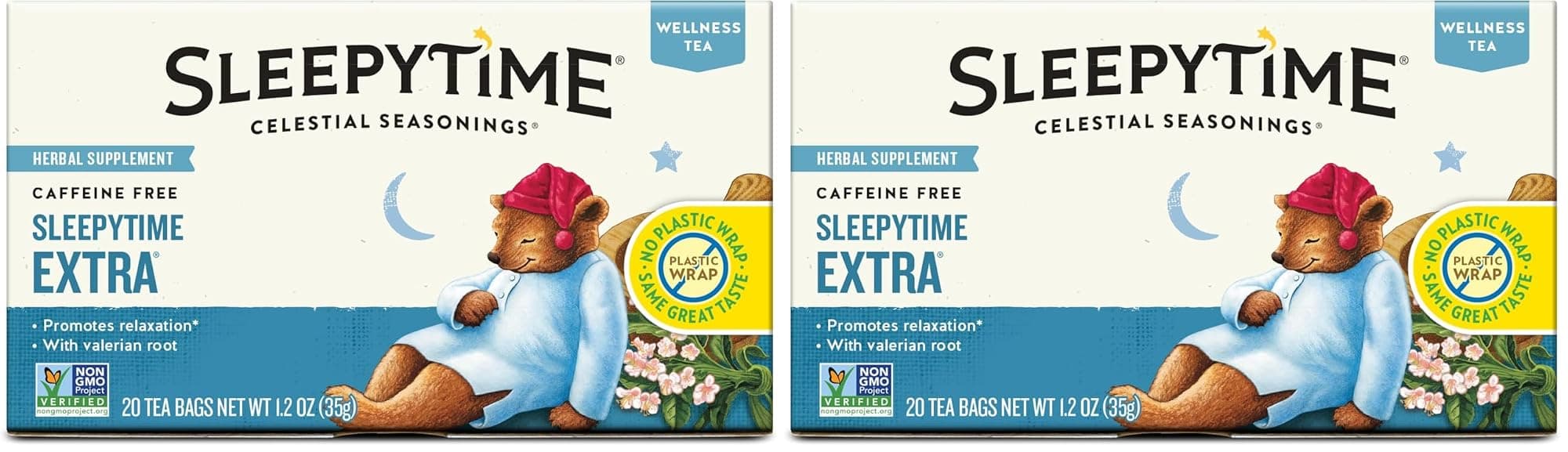
Affiliate disclosure: purchases via these links fund our work at no extra cost to you. Scores are independent of revenue.
Keep going
- ArticleWhy can't I fall asleep? Five causes.
Tea is one tactic for the wind-down cause; here are the other four.
- ArticleNatural sleep remedies, ranked by evidence
Where the tea ritual sits vs magnesium, melatonin, and the rest.
- ArticleBreathing exercises for sleep
Combine the tea ritual with 4-7-8 breathing for compounding effect.
- ArticleCompare sleep teas
11 tested tea blends price-compared side by side — chamomile to valerian.
- ToolMelatonin dose calculator
If herbal teas aren't moving the needle, melatonin is the next step.
- ReviewLoftie Lamp
Wind-down ritual hardware that pairs naturally with the tea ritual.