Breathing exercises for sleep, ranked by what actually works.
Five techniques, one mechanism. Slowing the breath and lengthening the exhale shifts you toward parasympathetic dominance — the state your body enters naturally just before sleep — and that part is well documented.[1][2]What isn’t documented is any particular branded count being better than the others. One of the five is actively wrong for bedtime.
The 4-7-8 method, step by step.
- 1. Position. Lie on your back. Place the tip of your tongue behind your top front teeth — keep it there throughout.
- 2. Exhale fully. Through your mouth, with a soft “whoosh” sound. Empty your lungs.
- 3. Inhale 4. Close your mouth, inhale silently through your nose for 4 seconds.
- 4. Hold 7. Hold for 7 seconds. (If this triggers anxiety, skip to step 5.)
- 5. Exhale 8. Exhale through your mouth for 8 seconds with the soft whoosh.
- 6. Repeat.4 cycles. That’s usually enough. If you’re still awake, do 4 more.
The breath-rhythm chart.
One full cycle is 19 seconds. The long exhale (orange) is when parasympathetic activation peaks — that’s the active ingredient.
The 3 techniques worth doing.
Two more (alternate-nostril, Wim Hof) are covered briefly in the mechanism section below — short version: alt-nostril is mixed evidence, Wim Hof is counterproductive at night.
4-7-8 breathing — the in-bed default.
Inhale 4 seconds through nose, hold 7, exhale 8 through mouth. The long exhale is the active ingredient — extending the out-breath raises vagal tone and slows heart rate, which is the best-established part of this. Worth being straight about the rest: the evidence supports slow breathing with a lengthened exhale in general, not the 4-7-8 count specifically. Nobody has run a trial showing 4-7-8 beats any other slow pattern. Repeat 4 cycles, lights out.
- +Falling asleep when racing thoughts are the problem
- +Getting back to sleep after a 3am wake
- +Pre-sleep heart rate / cortisol elevation
- −Insomnia caused by caffeine still in the system
- −Sleep maintenance issues (use box breathing for those)
- −People who get anxious from breath-holds (skip the 7-second hold)
Diaphragmatic (belly) breathing — practice during the day.
Place one hand on belly, one on chest. Breathe so only the belly hand moves. Practise for 5 minutes, twice a day, until it becomes automatic. This is a skill-building step rather than a sleep intervention in its own right — the point is that when you try slow breathing at 2am, the mechanics are already familiar.
- +Reduces accessory neck/shoulder muscle tension
- +Long-term anxiety regulation
- +Builds the habit so 4-7-8 works better at night
- −In-the-moment sleep onset (use 4-7-8 for that)
- −Won't fix structural issues like sleep apnea
Box breathing (4-4-4-4) for the 3am wake-up.
Equal-length cycle: 4 in, 4 hold, 4 out, 4 hold. Widely taught for in-the-moment stress regulation, and the symmetry makes it easy to hold onto when you're half-awake. We have no trial evidence comparing it with 4-7-8 for sleep — we recommend it at 3am purely because a single repeated count is easier to follow when groggy.
- +Returning to sleep after middle-night wake
- +Anxiety in the moment
- +Easy to remember when half-asleep
- −Nothing suggests it beats 4-7-8 — pick what you'll actually do
- −Doesn't address what woke you up
Why slow breathing puts you to sleep — the mechanism.
Your autonomic nervous system has two branches: sympathetic (“fight or flight”) and parasympathetic (“rest and digest”). Sleep onset requires the parasympathetic branch to dominate. During the day, sympathetic activity is elevated by stress, caffeine, and screen exposure.
The vagus nerve — the main parasympathetic conduit between brain and body — is sensitive to breathing patterns. Specifically, long exhales increase vagal tone, which lowers heart rate, reduces cortisol, and signals to your brain that the environment is safe enough to power down.[2]
“What the research supports is slow breathing with a lengthened exhale — not a specific count. 4-7-8 has marketing momentum thanks to Andrew Weil; nothing shows it beats a plain 4-in / 6-out.”
When it doesn’t work — and what to do instead.
- Counting feels stressful. Drop the counts. Inhale comfortably and exhale slowly, twice as long. The math doesn’t matter; the long exhale does.
- Breath-holds trigger anxiety. A recognised reaction — the air-hunger sensation reads as threat. We have no reliable figure for how common it is. Skip the holds entirely and use 4-in / 6-out.
- Mind keeps wandering to the day. Couple breathing with a body-scan: each exhale, move attention from feet → head, releasing one muscle group per breath.
Stack with other sleep tactics for compounding effect.
- • Cool the bedroom to 18–19°C / 64–66°F. The body initiates sleep onset by dropping core temperature ~1°C.
- • Cut caffeine 8+ hours before bed.Even residual caffeine fragments deep sleep — breath work can’t fix that.
- • Time bedtime to a 90-minute cycle multipleso you don’t wake mid-REM and feel groggy.
- • If you’ve been awake > 20 minutes, get out of bed. Don’t lie there forcing breath work — that creates a negative association with the bed.
What you get here that you don't get elsewhere.
- This guide
- 4-7-8 vs box vs diaphragmatic vs alt-nostril vs Wim Hof — and we say plainly that the evidence backs slow breathing with a long exhale in general, not any one branded count.
- Typical alternative
- Most articles list every breathing technique ever invented and imply each has its own science. It's the same mechanism wearing different numbers.
- This guide
- Some people get paradoxical anxiety from breath-holds. We tell you which technique to switch to, not just 'try harder.'
- Typical alternative
- Generic guides assume one technique fits all. They don't address why slow breathing makes some people more anxious.
- This guide
- Wim Hof at bedtime is counterproductive. Breathing can't out-perform residual caffeine. We're explicit about the limits.
- Typical alternative
- Selling breathwork as a universal solution is the easiest content angle. We refuse to.
Glossary.
The technical vocabulary used in this article, in plain English.
- Vagus nerve
- The longest nerve in the parasympathetic nervous system, running from brainstem to abdomen. Sensitive to breathing patterns — long exhales increase vagal tone, which lowers heart rate and signals safety to the brain.
- Parasympathetic nervous system
- The 'rest and digest' branch of the autonomic nervous system. Dominates during sleep onset, recovery, and digestion. Slow breathing is one of the few voluntary ways to activate it.
- Heart rate variability (HRV)
- Beat-to-beat variation in time between heartbeats. Higher HRV = better autonomic balance + recovery. Slow breathing increases HRV measurably within 5 minutes.
- CBT-I
- Cognitive Behavioural Therapy for Insomnia. The gold-standard non-pharmaceutical insomnia treatment. Includes breathing exercises as one component alongside sleep restriction, stimulus control, and cognitive restructuring.
- Hyperventilation
- Breathing faster or deeper than metabolic need, lowering blood CO₂. Triggers sympathetic ('fight or flight') activation — the opposite of what sleep needs. Wim Hof breathing is hyperventilation by design.
People also ask
Does the 4-7-8 breathing technique really put you to sleep?
It works for some people, doesn't for others. The mechanism is real — the long 8-second exhale activates the parasympathetic ('rest and digest') branch of the autonomic nervous system, slowing heart rate and reducing cortisol. But the 4-7-8 ratio specifically isn't backed by stronger evidence than other extended-exhale patterns. If you find it relaxing, use it; if counting to 7 stresses you, switch to a simpler 4-in / 6-out pattern.
How long should I do breathing exercises before bed?
5–10 minutes is the range most guided protocols use, and it's what we'd suggest — but there's no dose-response study establishing a minimum, so ignore anyone quoting an exact threshold. A couple of minutes is better than nothing; past 15 most people get impatient, which defeats the purpose. Set a timer if your mind wanders.
Can breathing exercises replace sleep medication?
No, and we won't pretend otherwise. Breathing exercises are one small component of CBT-I, the behavioural programme that does have strong evidence against chronic insomnia — but no trial has tested breathwork on its own against sleep medication, so any claim that it matches a prescription drug is invented. Treat it as a useful, free, zero-risk adjunct. Never stop or reduce a prescribed medication on the strength of an article; that's a conversation with the doctor who prescribed it.
Should I breathe through my nose or mouth?
Nose, if you comfortably can. The sinuses release nitric oxide, which is drawn into the lungs on a nasal breath and helps with blood-flow matching in the lungs — a real physiological effect, though the specific percentage figures that circulate online overstate what was measured. Mouth breathing also dries the airway and is associated with snoring. If your nose is blocked, fix that first (saline rinse, decongestant) before practising breathwork.
Frequently asked questions.
Does the 4-7-8 breathing technique really put you to sleep?
It works for some people, doesn't for others. The mechanism is real — the long 8-second exhale activates the parasympathetic ('rest and digest') branch of the autonomic nervous system, slowing heart rate and reducing cortisol. But the 4-7-8 ratio specifically isn't backed by stronger evidence than other extended-exhale patterns. If you find it relaxing, use it; if counting to 7 stresses you, switch to a simpler 4-in / 6-out pattern.
How long should I do breathing exercises before bed?
5–10 minutes is the range most guided protocols use, and it's what we'd suggest — but there's no dose-response study establishing a minimum, so ignore anyone quoting an exact threshold. A couple of minutes is better than nothing; past 15 most people get impatient, which defeats the purpose. Set a timer if your mind wanders.
Can breathing exercises replace sleep medication?
No, and we won't pretend otherwise. Breathing exercises are one small component of CBT-I, the behavioural programme that does have strong evidence against chronic insomnia — but no trial has tested breathwork on its own against sleep medication, so any claim that it matches a prescription drug is invented. Treat it as a useful, free, zero-risk adjunct. Never stop or reduce a prescribed medication on the strength of an article; that's a conversation with the doctor who prescribed it.
Should I breathe through my nose or mouth?
Nose, if you comfortably can. The sinuses release nitric oxide, which is drawn into the lungs on a nasal breath and helps with blood-flow matching in the lungs — a real physiological effect, though the specific percentage figures that circulate online overstate what was measured. Mouth breathing also dries the airway and is associated with snoring. If your nose is blocked, fix that first (saline rinse, decongestant) before practising breathwork.
Why does breathing slowly make me feel anxious?
It's a well-recognised reaction, usually to the breath-holds rather than the slow breathing itself — the air-hunger sensation reads as threat and triggers the response you were trying to avoid. We don't have a reliable figure for how common it is. The fix is simple: skip the holds and use a 4-in / 6-out pattern. The relaxation effect comes from the long exhale, not the hold.
- [1]Jerath R, Crawford MW, Barnes VA, Harden K. 'Self-regulation of breathing as a primary treatment for anxiety.' Applied Psychophysiology and Biofeedback, 2015;40(2):107-115. (Mechanism review of slow breathing and autonomic regulation; not a sleep trial.)
- [2]Russo MA et al. 'The physiological effects of slow breathing in the healthy human.' Breathe (Sheffield), 2017.
- [3]Brown RP, Gerbarg PL. 'Sudarshan Kriya Yogic breathing in the treatment of stress, anxiety, and depression. Part II — clinical applications and guidelines.' Journal of Alternative and Complementary Medicine, 2005;11(4):711-717. (Clinical guidance for a yogic breathing practice; outcomes are stress, anxiety and depression rather than sleep.)
- [4]Lundberg JO, Weitzberg E. 'Nasal nitric oxide in man.' Thorax, 1999;54(10):947-952. (Reviews sinus nitric oxide and its effect on pulmonary function during nasal breathing.)
Logan Foley, CSSC
Certified Sleep Science Coach via the Spencer Institute. Writes about adult sleep, supplements, and sleep tech. Reviews every adult-sleep article on SleepyHero before publication.
Last updated:
No app, course, or product is paid for placement in this article. Affiliate links to recommended tools support the site at no cost to you.
From our test lab
Gear that helps
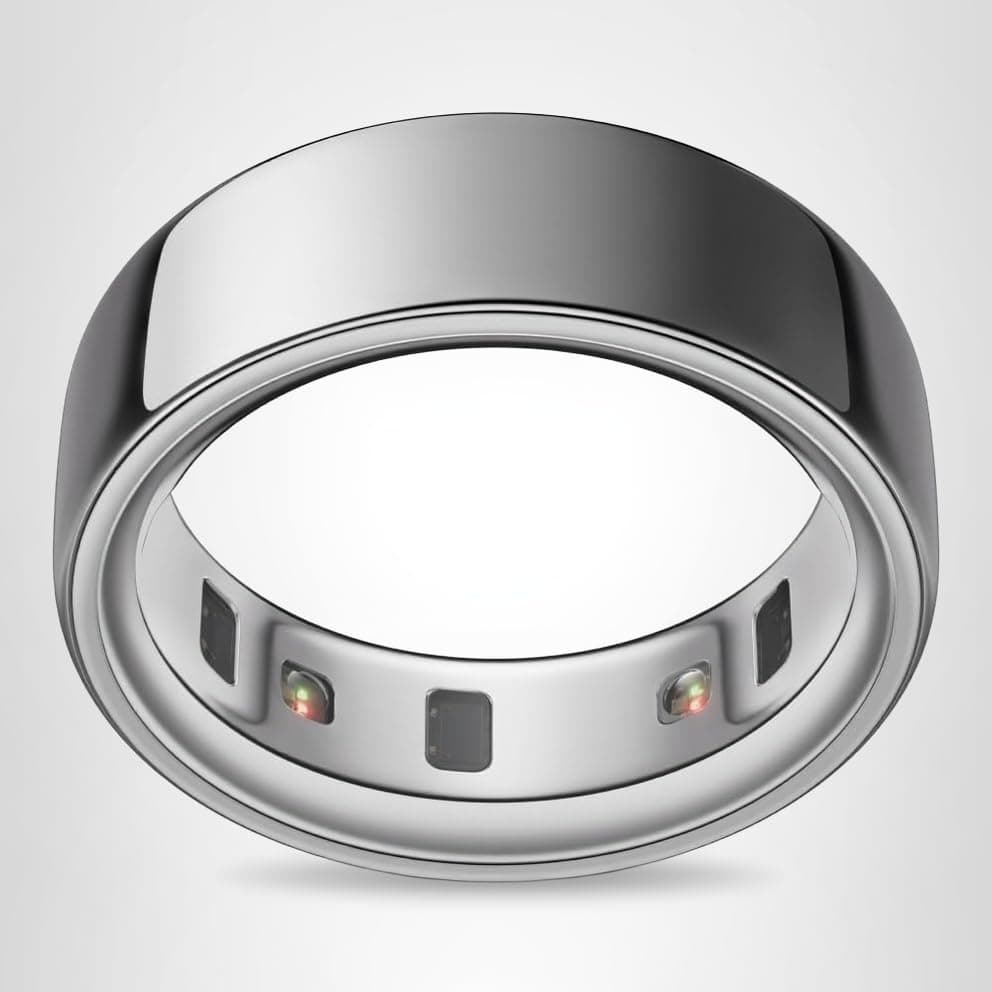
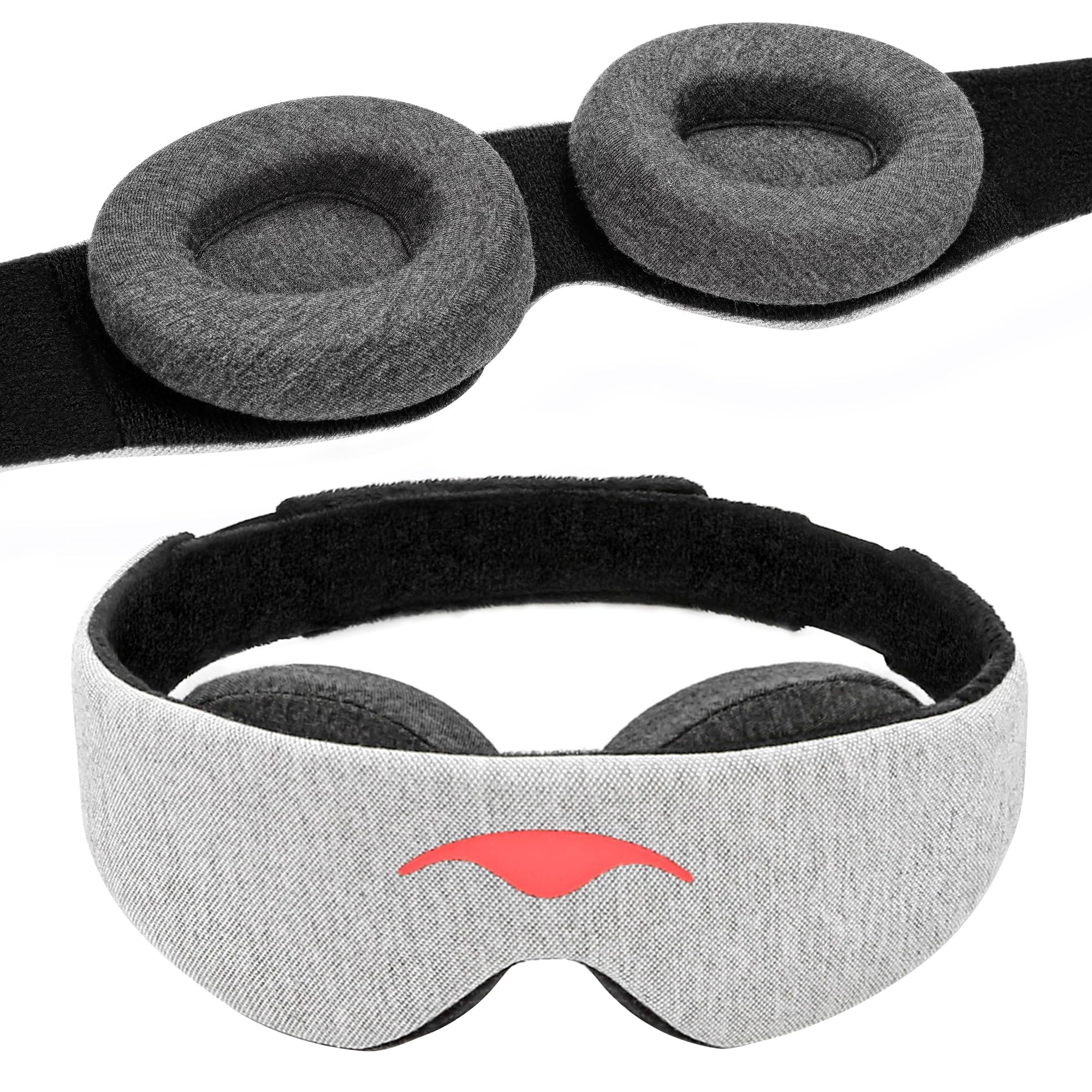
Tested picks that pair with this guide — scored independently, prices tracked across retailers.
Affiliate disclosure: purchases via these links fund our work at no extra cost to you. Scores are independent of revenue.
Keep going
- ArticleWhy can't I fall asleep? Five causes.
Breathing is one of the simplest interventions for the racing-mind cause.
- ArticleThe 3am wake-up — five most likely causes
4-7-8 breathing is the in-the-moment fix when you can't get back to sleep.
- ArticleHerbal teas for sleep
Tea ritual + breath work stacks well — different mechanisms, same outcome.
- ArticleBest sleeping positions
Diaphragmatic breathing only works in supportive postures.
- ToolSleep cycle calculator
Pair the breath work with a cycle-aligned bedtime.
- ToolCaffeine cutoff calculator
Breath work can't out-perform residual caffeine in your bloodstream.