Sleep tracking accuracy
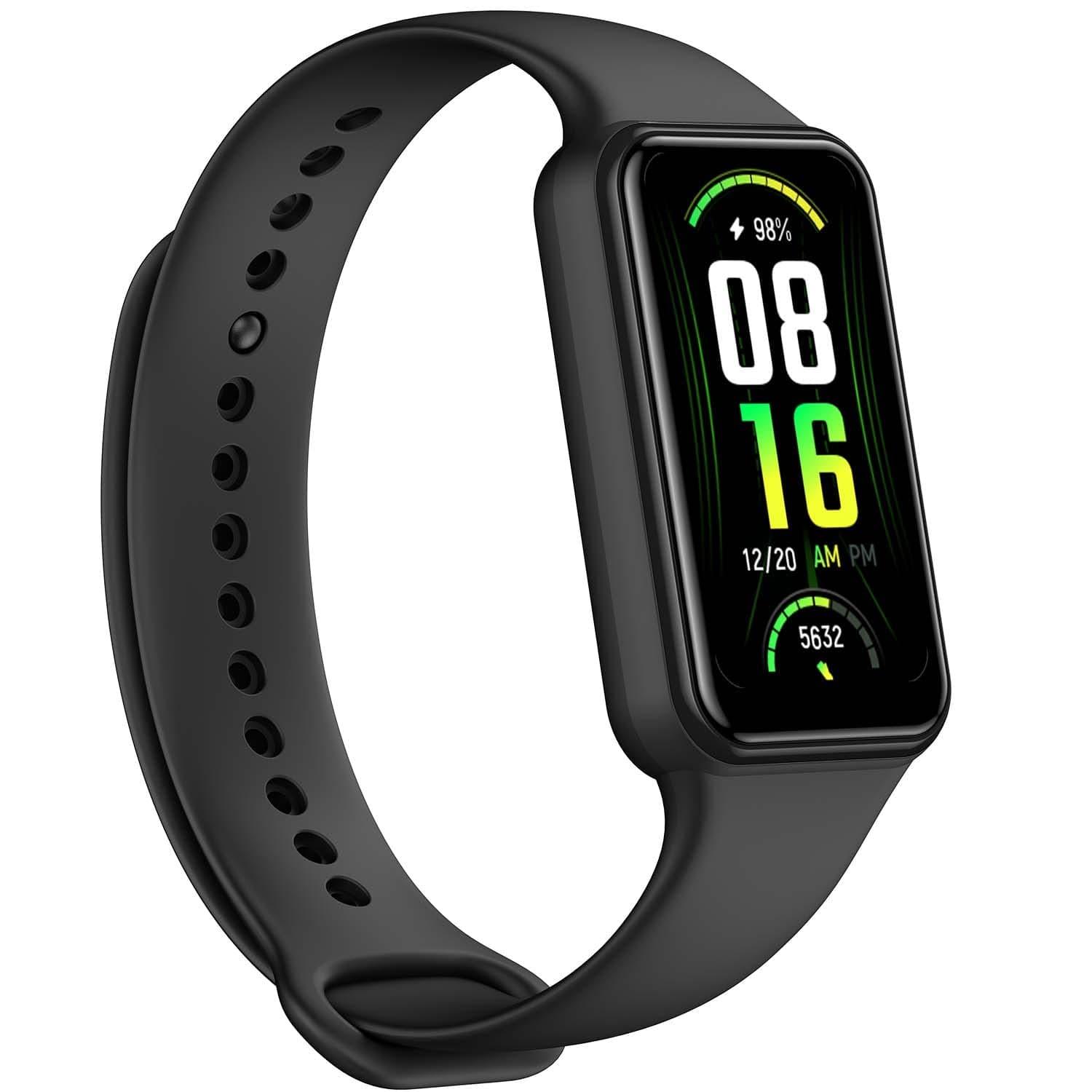
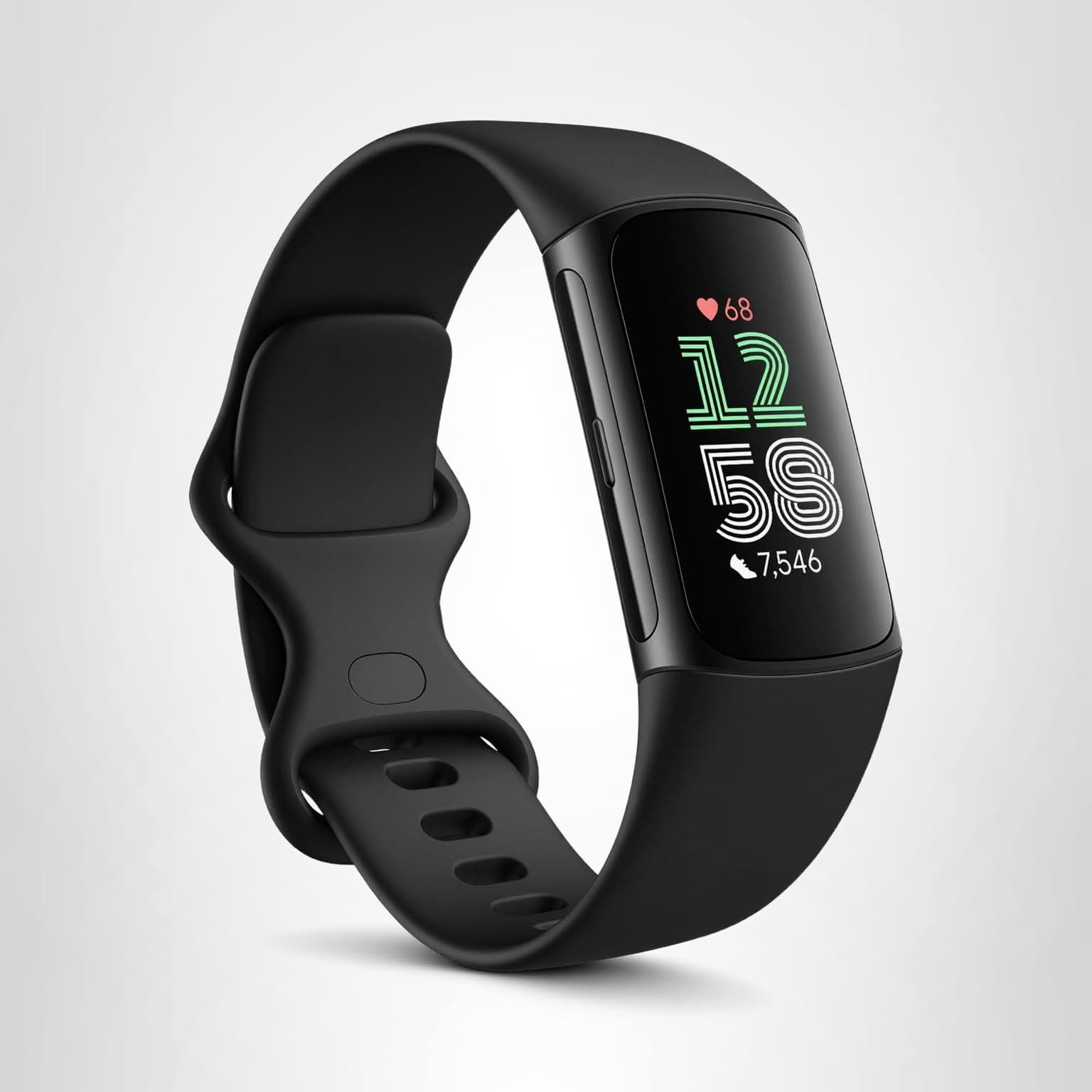
Winner: Fitbit ChargeThe Fitbit Charge 6 takes accuracy 8/10 against the Amazfit Band 7's 6/10 in our scoring, and this is the dimension the $89.01 gap is really buying. Both devices produce a four-stage breakdown — light, deep, REM and wake — from wrist optical sensing plus an accelerometer, so the mechanism is the same. The difference is in sensor quality and in how much algorithm work sits behind the numbers.
Be careful about what evidence exists here, because it is thinner than either brand's marketing implies. The best-known independent benchmark, Chinoy et al. (2021, *Sleep*), put seven consumer devices against polysomnography and included a Fitbit — but it was the Alta HR, not the Charge 6, so it tells you about the family rather than this model. Its headline finding is worth carrying into any purchase in this category: most devices matched or beat research actigraphy at telling sleep from wake, but sleep-*stage* assessment was inconsistent across every device tested. Our product data cites no published polysomnography validation for the Amazfit Band 7 at all. That is not evidence the Band 7 is inaccurate — it is evidence nobody independent has published the check, which is a weaker and different thing to know.
Practically: both bands will tell you roughly when you fell asleep, roughly how long you slept, and whether last night was worse than the night before. That is the job most buyers actually want done, and the Band 7 does it. Where the Charge 6 pulls ahead is the parts that get finer — micro-wake counting and REM detection — which matter if you intend to act on the stage numbers rather than the totals. Neither is a diagnostic device and neither should be brought to a doctor as evidence of anything.