Sleep tracking accuracy + depth
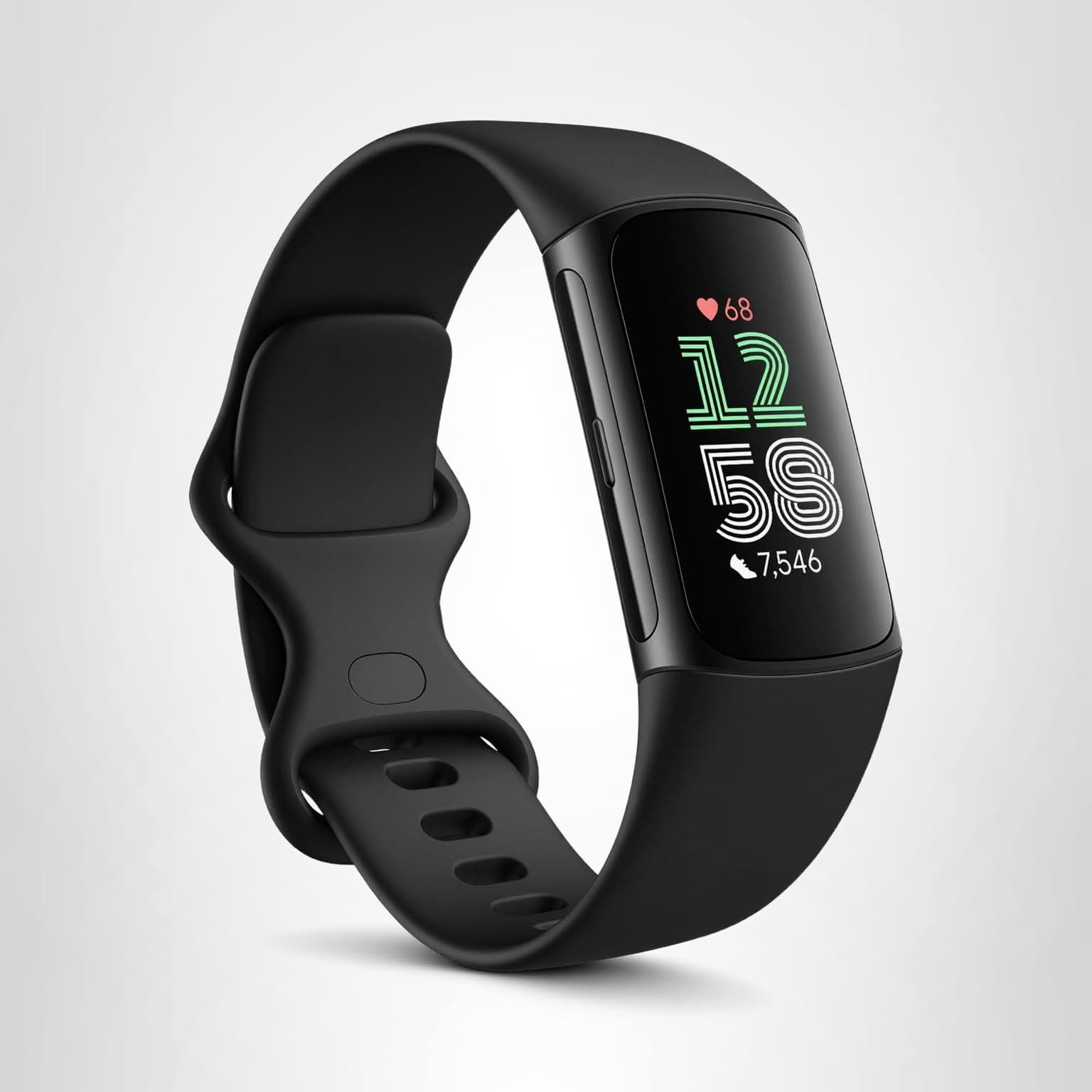
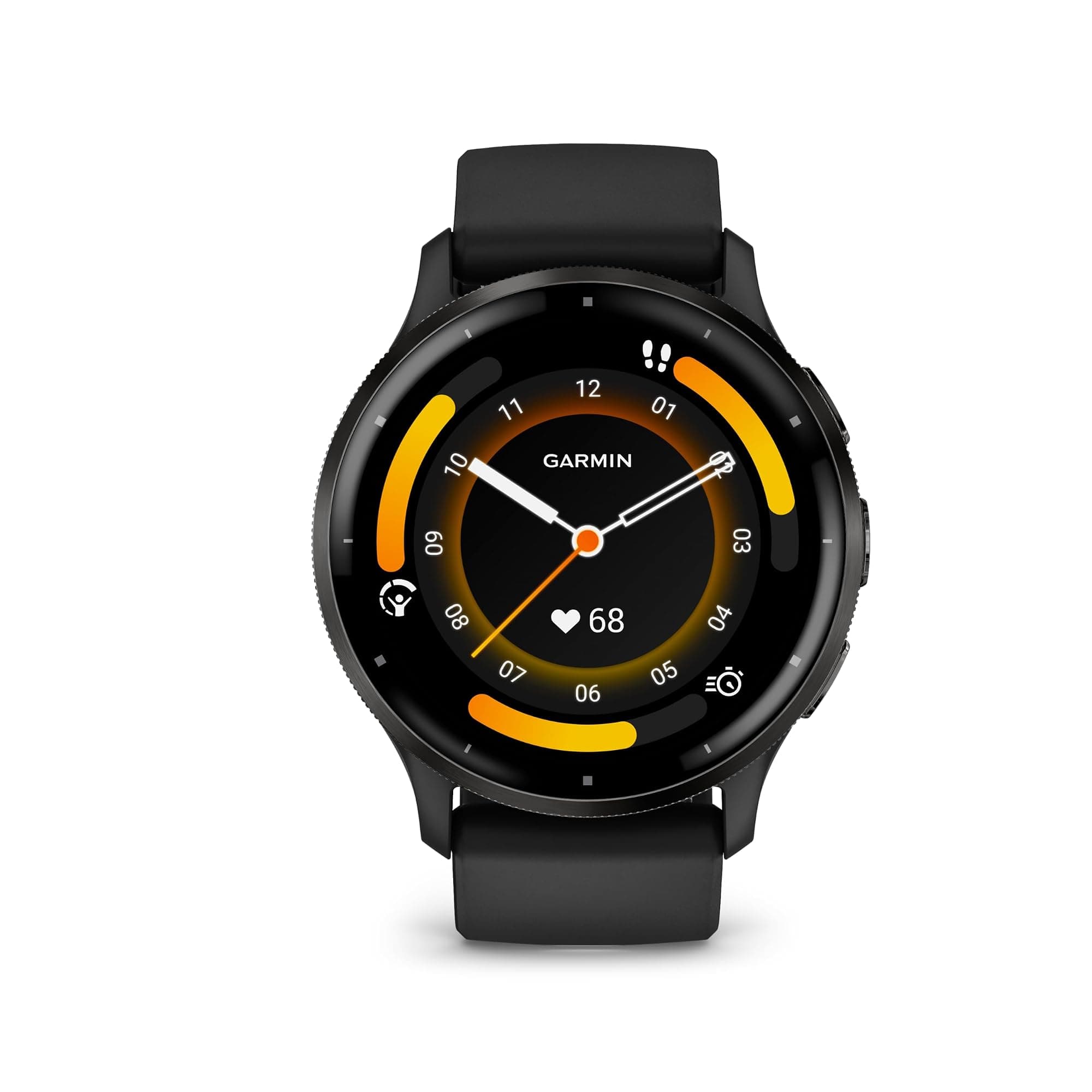
TieWe score both devices at 8/10 on sleep tracking, and we're not going to manufacture a gap that our own scoring doesn't show. Both report genuine light/deep/REM staging rather than a crude asleep/awake split, both combine optical heart rate with motion, and both do overnight SpO2. There is no published head-to-head trial of these two devices, and we have not run one — so treat any claim of a precise accuracy difference between them, ours or anyone else's, with suspicion.
What differs is what the device does with the data. The Venu 3 adds a Sleep Score, Sleep Coach and — the feature that actually changes the record — automatic nap detection. If your sleep isn't one clean overnight block, which is the reality for shift workers, new parents and anyone with a commute nap, Garmin counts sleep the Charge 6 will miss. The Charge 6's counterweight is Fitbit's coaching layer, but the good parts of it (Sleep Profile, Daily Readiness Score) sit behind Premium.
On evidence, both product reviews lean on the same body of consumer sleep-tracker validation literature on PubMed rather than a device-specific lab result — the Fitbit review cites a consumer sleep-tracker validation overview, the Garmin review cites a wearable sleep-technology validation review, and they point at the same source. That's an honest statement of where the field is: wrist optical staging is credible and imperfect on both, and neither replaces a sleep study.