The complete guide to sleep cycles.
A sleep cycle averages 90 minutes and runs light sleep → deep slow-wave sleep → REM. Healthy adults complete 4 to 6 cycles a night. Whether you wake sharp or groggy depends almost entirely on which stage your alarm fires in — waking at the cycle boundary (light sleep) feels easy; waking mid-cycle from deep sleep or REM feels rough, regardless of total hours.
Sleep isn't a single state. It's a structured cycle of stages that repeat through the night, each doing different work on your brain and body. Understanding the cycle is the difference between “I slept eight hours” and “I slept well” — and the gap between those two is enormous.

1 · The anatomy of a single cycle
One sleep cycle takes you from light sleep, into deep slow-wave sleep, briefly back through light sleep, and into REM (rapid eye movement) sleep before the next cycle begins. The whole sequence averages 90 minutes — though individual cycles range from 80 to 110 minutes depending on age, sleep pressure, and which cycle of the night it is.[1]
What matters for how you feel is which stage your alarm fires in. Waking from light sleep at the boundary between cycles feels easy — the brain is already partially aroused. Waking from deep slow-wave sleep feels rough, like being yanked out of a hole. And waking from late-cycle REM produces vivid recall but a fragile, disoriented feeling for the first 5-10 minutes after the alarm.
The classic “eight hours of sleep” advice is wrong in an underappreciated way: eight hours doesn't divide cleanly into 90-minute cycles. Eight hours is the middle of cycle five. Seven and a half hours is the boundary at the end of cycle five. Same total sleep, completely different morning.
2 · The four stages, what each does
Modern sleep science divides the cycle into four stages: N1, N2, N3 (slow-wave / deep), and REM. Older textbooks separated stage 3 from stage 4; that distinction was retired in 2007 because the two looked too similar on EEG to justify the split.[2]
N1 — light sleep onset
The doorway. N1 lasts only 1-7 minutes and accounts for less than 5% of total sleep time. You can be woken from N1 and not realise you'd been asleep — the “I was just resting my eyes” experience. Hypnic jerks (the falling sensation that kicks you awake) happen here.
N2 — light sleep, the bulk
45-55% of total sleep is N2. EEG shows sleep spindles and K-complexes — short bursts of activity associated with memory consolidation, especially of motor skills and procedural learning. Heart rate slows, body temperature drops. This is the stage you'd most want to wake from if forced to wake mid-cycle.
N3 — deep slow-wave sleep
13-23% of total sleep, but heavily front-loaded — most N3 happens in the first two cycles of the night. This is the deepest sleep, characterized by slow delta waves on EEG. Growth hormone is secreted and the immune system runs maintenance. This is also when the glymphatic system is thought to clear metabolic waste from brain tissue — the landmark experiment showing that clearance roughly doubles during sleep was done in mice, so treat the human version as strongly suspected rather than settled.[4]
Waking someone from N3 produces the worst grogginess in sleep science — a state called “sleep inertia” that can last 20-60 minutes, with measurable cognitive impairment.[5] If you ever pull yourself out of bed and feel useless for half an hour, you woke during N3.
REM — paradoxical sleep
20-25% of total sleep. EEG looks remarkably like waking — hence “paradoxical” — but voluntary muscles are paralysed (REM atonia). Eyes move rapidly behind closed lids. Most vivid dreaming occurs here. The brain is consolidating emotional memory and integrating novel experiences with existing knowledge.
REM is heavily back-loaded across the night. Your last cycle often has 30+ minutes of REM. Cutting your sleep short by even an hour disproportionately costs you REM, which is why a consistently shortened sleep schedule produces emotional volatility and learning impairment before it produces obvious tiredness.
3 · How cycles change across the night
The cycles aren't identical. Early-night cycles are deep-sleep-heavy: lots of N3, very little REM. Late-night cycles are REM-heavy: little or no N3, REM stretches lasting 30-45 minutes.
The implication: if you go to bed at 11pm and wake at 7am, the shape of your sleep looks something like the following. These figures are an illustration of the front-loaded-N3, back-loaded-REM pattern, not measured averages — your own night will differ:
- Cycle 1 (11:00–12:30): 40% N3, almost no REM
- Cycle 2 (12:30–02:00): 30% N3, 10% REM
- Cycle 3 (02:00–03:30): 15% N3, 20% REM
- Cycle 4 (03:30–05:00): 5% N3, 25% REM
- Cycle 5 (05:00–06:30): 0% N3, 35% REM
- Partial cycle 6 (06:30–07:00): light sleep + REM
If you cut sleep at the front (going to bed late) you sacrifice deep sleep. If you cut sleep at the back (waking early) you sacrifice REM. Both are bad, but for different reasons — chronic deep-sleep loss tracks with metabolic and immune problems; chronic REM loss tracks with mood, learning, and emotional regulation problems.
Want a printable cycle map?
The Sleep Toolkit ships a one-page printable that visualises your cycles based on your usual bedtime — useful as a reference when planning naps, jet lag adjustments, or shift work. Twelve PDFs in total, $19, lifetime updates.
Get the 12 free printables →4 · How many cycles you actually need
For most adults, 4-6 complete cycles is the healthy range. Five is the median for someone sleeping 7.5 hours per night.
What “need” means is contested, and we’d rather show the arithmetic than invent a threshold. Because REM is concentrated in the last cycles, dropping from six cycles to five cuts total sleep by about a sixth but takes a much larger bite out of REM specifically — on the illustrative distribution above, roughly a third of it. That is the shape of the trade-off, not a measured population figure.
It's also the intuition behind “four hours is enough to function; seven hours is enough to thrive.” The hours you cut off the end of the night are disproportionately REM.
5 · Timing bedtime to a cycle boundary
The single most useful intervention from this entire article is this one. Pick the time you must be up. Subtract increments of 90 minutes plus 15 minutes for falling asleep, and you get the ideal bedtimes that wake you at a cycle boundary.
For a 6:30am wake, the bedtimes that land cleanly at a boundary are roughly: 9:15pm (6 cycles), 10:45pm (5 cycles), 12:15am (4 cycles). The 11:30pm bedtime that most people aim for? Mid-cycle wake. You'll feel worse than someone who slept less.
Find your cycle-boundary bedtime.
Plug in your wake time. The calculator returns the bedtimes that align with a cycle boundary so you wake from light sleep, not mid-cycle from N3.
6 · What disrupts the cycle
The big four: alcohol, caffeine, late blue light, and irregular wake times.
Alcoholcompresses REM specifically, and it does so at doses people don’t think of as heavy. We’re not going to attach a precise percentage to “one drink” — the effect varies with dose, timing and body size. What’s consistent is the pattern: REM is suppressed early, rebounds in the second half of the night, and frequently triggers a 2-3am wake-up. Covered in depth in our 3am wake-up article.
Caffeine reduces N3 even when you fall asleep fine. The half-life is 5 hours on average and longer for slow metabolizers, so a 2pm coffee is still disrupting deep sleep at 11pm. The caffeine article covers the full mechanism.
Late blue light — anything over 100 lux in the 90 minutes before bed — suppresses melatonin and pushes sleep onset later, which compresses your cycles. The fix is dimming overhead lights, not necessarily blocking phone light.
Irregular wake times interfere with the circadian system's ability to consolidate cycles. Sleeping 11pm-7am Mon-Fri then 2am-10am Sat-Sun is the same circadian load as flying east three time zones every weekend.
7 · How cycles change with age
Sleep cycles are dramatically different across the lifespan. Newborns cycle every 50-60 minutes with very high REM proportions (50%+ of total sleep — they're building neural architecture). Toddler cycles lengthen to ~75 minutes. By adolescence, the 90-minute adult cycle stabilises.
Through adulthood, the largest meta-analysis of sleep-lab data found that total sleep time, sleep efficiency, the share of slow-wave sleep and the share of REM all decline with age, while time to fall asleep, light sleep and time spent awake after falling asleep all increase. One detail worth knowing: past 60, only sleep efficiency kept declining significantly — most of the other changes had already happened by then. The authors also caution that effect sizes shifted a lot depending on how rigorously studies screened out unwell participants.[3] So when older adults report “not sleeping as deeply as I used to,” that's a literal description, not a perception artifact.
For parents tracking their baby's cycles, our wake windows tool uses age-banded cycle and window data to predict the next nap window. The baby sleep schedule tool builds a full day timeline.
8 · Measuring your own cycle
Your personal cycle length is genetic and fairly stable. If you want to estimate it, three approaches work:
- Calculator estimation. Try 90 minutes first. If you're consistently groggy at the alarm, try 85 minutes. If you wake before the alarm and feel sharp, you might be at 95-100 minutes. Run it for two weeks and you'll converge.
- Wearable estimation. Oura, Whoop, Apple Watch, and Garmin all estimate sleep stages now. Accuracy against polysomnography varies but the cycle-boundary detection is usually within ±15 minutes for healthy sleepers. See our review of the Oura Ring 4 for the most accurate consumer-grade option.
- Sleep lab.The reference standard. Polysomnography overnight at a sleep lab gives you exact cycle measurements and identifies disorders that wearables can't (sleep apnea in particular). Worth doing once if you suspect chronic sleep problems.
For most people, calculator estimation is enough. The gain from cycle-boundary timing is meaningful even at population-average estimates.
What you get here that you don't get elsewhere.
- This guide
- We map out the actual shape of N3 vs REM across a typical 5-cycle night so you can see why cutting at the front sacrifices deep sleep and cutting at the back sacrifices REM.
- Typical alternative
- Treat sleep as one undifferentiated block — "get 8 hours" with no architecture awareness.
- This guide
- Specific bedtime math (90-minute increments + 15 min for falling asleep) and three concrete bedtime options for any wake time.
- Typical alternative
- Generic "go to bed earlier" without the cycle-boundary calculation.
- This guide
- We frame morning grogginess as the signature of waking mid-N3 — the diagnostic that tells you what to fix, not just a vague complaint.
- Typical alternative
- Treat morning fatigue as evidence of insufficient sleep duration, leading to the wrong fix (more hours, mid-cycle wake).
- This guide
- The direction and the caveats from the Ohayon meta-analysis of 65 sleep-lab studies — including the counterintuitive finding that most architecture changes have already happened by 60, after which only sleep efficiency keeps sliding.
- Typical alternative
- Vague "sleep changes with age" framing without the structural specifics.
Sleep architecture itself isn't a medical issue, but persistent sleep complaints can mask one. See a sleep physician if any of these apply: loud snoring with witnessed pauses or gasping (potential sleep apnea); daytime sleepiness despite 7-8 hours in bed; the sense you never reach deep sleep; restless legs sensations relieved by movement; sleep paralysis or vivid hallucinations at sleep onset; or chronic insomnia 3+ nights per week for more than 4 weeks. A home sleep apnea test or a referral to polysomnography gives a definitive answer; both are widely available.
Glossary.
The technical vocabulary used in this article, in plain English.
- Sleep cycle
- One complete loop through all sleep stages (N1 → N2 → N3 → REM) ending in a brief partial wake-up. Averages 90 minutes in healthy adults; individual cycles range from 80 to 110 minutes.
- Hypnogram
- The standard graph of sleep stage over time, used to visualise sleep architecture. Y-axis = stage (Wake, REM, N1, N2, N3); x-axis = hours since sleep onset.
- N1
- The lightest stage of sleep — the doorway between wake and sleep. Lasts 1-7 minutes, accounts for <5% of total sleep. Hypnic jerks occur here.
- N2
- Light sleep, the bulk of total sleep (45-55%). EEG shows sleep spindles and K-complexes — bursts of activity associated with memory consolidation, especially of motor skills and procedural learning.
- N3 (slow-wave / deep sleep)
- The deepest sleep stage, characterised by slow delta waves on EEG. 13-23% of total sleep, heavily front-loaded in the first two cycles. Growth hormone secretion, immune maintenance, and glymphatic clearance happen here.
- REM sleep
- Rapid eye movement sleep — paradoxical sleep where the EEG looks like waking but voluntary muscles are paralysed. Most vivid dreaming occurs here. Heavily back-loaded; the final cycle of the night often has 30+ minutes of REM.
- Sleep inertia
- The grogginess and cognitive impairment that follows waking from N3 deep sleep. Can last 20-60 minutes, with measurable performance deficits. The reason waking mid-cycle from N3 feels worse than less total sleep.
- Polysomnography
- The clinical sleep study performed at a sleep lab — records EEG, eye movement, muscle tone, breathing, and oxygen saturation overnight. The reference standard for measuring sleep cycles and diagnosing sleep disorders.
- Glymphatic system
- The brain's metabolic waste clearance system, most active during N3 deep sleep. Clears proteins (including beta-amyloid) implicated in long-term cognitive decline. The cellular reason chronic deep-sleep loss tracks with neurodegenerative risk.
- Cycle boundary
- The transition point between two complete sleep cycles, when sleep is briefly lighter (N1/N2). Waking at the boundary feels easy because the brain is partially aroused; the entire bedtime-arithmetic strategy is built around landing the alarm here.
- Sleep architecture
- The structural pattern of sleep stages across a single night — the proportion of each stage, the order, and the timing within cycles. Different from sleep duration; two people sleeping 8 hours can have very different architecture.
- Sleep spindle
- A burst of 11-16 Hz brain activity lasting 0.5-2 seconds, occurring in N2 sleep. Densities correlate with motor learning and procedural memory consolidation. The neural signature of "sleeping on it" actually working.
Common questions
How long is one sleep cycle?
An average of 90 minutes in healthy adults. Individual cycles vary between 80 and 110 minutes depending on age, sleep pressure, and which cycle of the night it is.
How many cycles per night?
Most adults complete 4-6 cycles. Five is the median for someone sleeping 7.5 hours. Below 4 you accumulate sleep debt; above 6 is unusual and typically only seen recovering from sleep deprivation.
What stage do I dream in?
Mostly REM. REM lasts ~10 min in cycle 1 and grows to 30+ min by the final cycle. You can dream in non-REM, but those dreams are abstract and less narrative.
Why am I groggy after 8 hours?
Eight hours doesn't divide evenly into 90-min cycles, so your alarm likely fired mid-cycle. 7.5 hours (5 cycles) or 9 hours (6 cycles) typically wake sharper.
Are 90-minute cycles real?
Yes, observed reliably in polysomnography. The 90-min figure is a population average — your personal value might be 80 or 110. Calculators using 90 minutes get most adults close enough to feel a difference.
What's the fastest way to test cycle-boundary timing?
Pick a wake time, work backward in 90-minute blocks plus 15 minutes for sleep onset, and try one of those bedtimes for three nights. Compare how you feel at the alarm to a typical bedtime. Most people see the difference within 3 nights.
Sleep architecture — not duration — is what makes the difference between “I slept 8 hours” and “I slept well.” The single highest-leverage move is timing your bedtime to a cycle boundary (90-minute increments + 15 min onset). The four big disruptors (alcohol, caffeine, late light, irregular wake times) all corrupt the architecture even when total sleep stays constant. If you only do one thing from this guide: subtract 15 minutes plus a multiple of 90 from your required wake time, try that bedtime tonight, and compare how you feel at the alarm.
Synthesised from foundational pediatric and adult sleep architecture references — Carskadon & Dement's overview in Principles and Practice of Sleep Medicine, the AASM scoring manual, the Ohayon meta-analysis on sleep parameters across the lifespan, and the Xie 2013 paper on glymphatic clearance during slow-wave sleep. Reviewed by Dr. Logan Foley, CSSC. We re-review this article when major sleep society guidance updates or when new architecture research changes the consensus.
- [1]Carskadon, M.A., & Dement, W.C. (2017). Normal human sleep: An overview. In Principles and Practice of Sleep Medicine (6th ed.). Elsevier.
- [2]Iber, C., Ancoli-Israel, S., Chesson, A.L., & Quan, S.F. (2007). The AASM Manual for the Scoring of Sleep and Associated Events. American Academy of Sleep Medicine. (The 2007 N3/N4 consolidation reference.)
- [3]Ohayon, M.M., Carskadon, M.A., Guilleminault, C., & Vitiello, M.V. (2004). Meta-analysis of quantitative sleep parameters from childhood to old age in healthy individuals: developing normative sleep values across the human lifespan. Sleep, 27(7), 1255-1273. (65 studies, ages 5-102; after age 60 only sleep efficiency continued to decline significantly.)
- [4]Xie, L., Kang, H., Xu, Q., et al. (2013). Sleep drives metabolite clearance from the adult brain. Science, 342(6156), 373-377. (The glymphatic clearance reference — conducted in mice.)
- [5]Trotti, L.M. (2017). Waking up is the hardest thing I do all day: Sleep inertia and sleep drunkenness. Sleep Medicine Reviews, 35, 76-84.
Dr. Logan Foley, CSSC
Certified Sleep Science Coach (CSSC) trained through the Spencer Institute. Reviews every adult-sleep tool, gear review, and article on SleepyHero for clinical accuracy against current sleep society guidelines (AASM, ACP, NSF) and peer-reviewed literature.
Last updated:
SleepyHero independently researches every article. We do not accept payment from supplement brands, sleep tracker manufacturers, or pharmaceutical companies for editorial coverage. Affiliate links to recommended tools support the site at no cost to you.
From our test lab
Track your real cycles
The trackers we scored highest for cycle accuracy — see if your night matches the math.
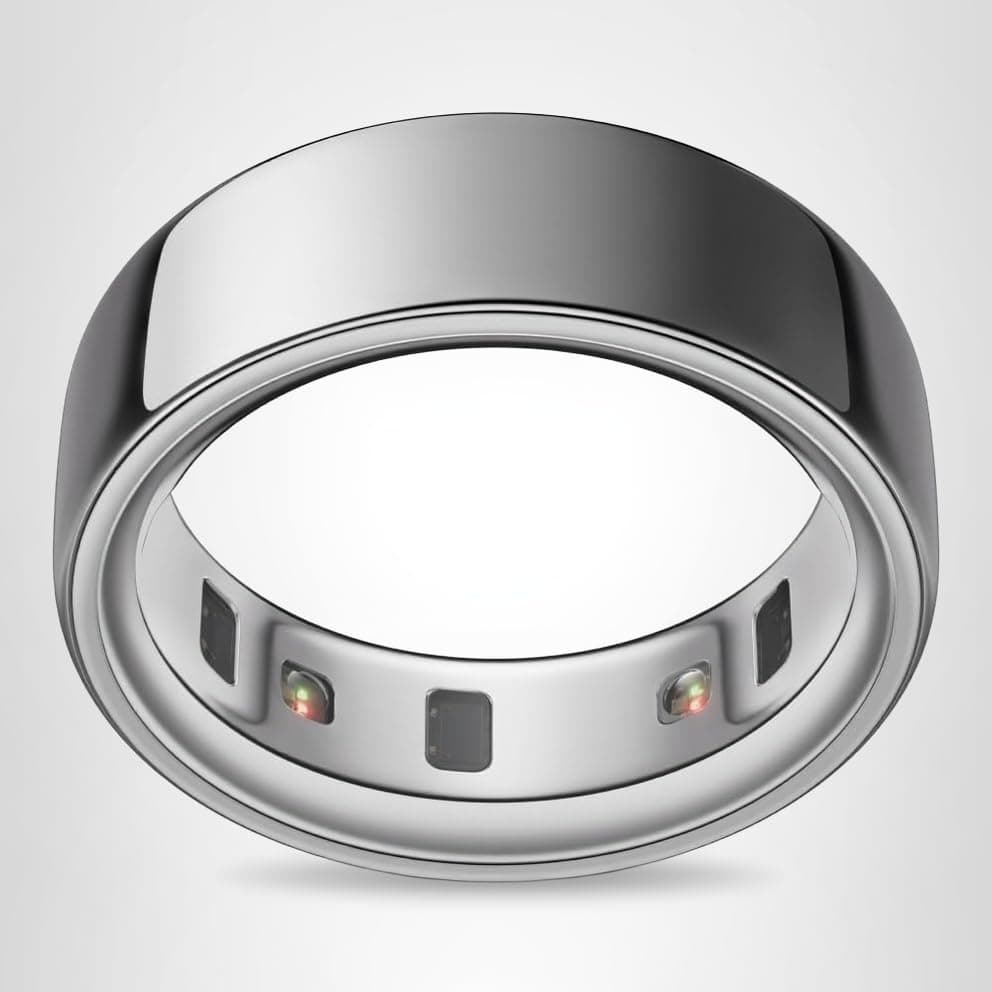
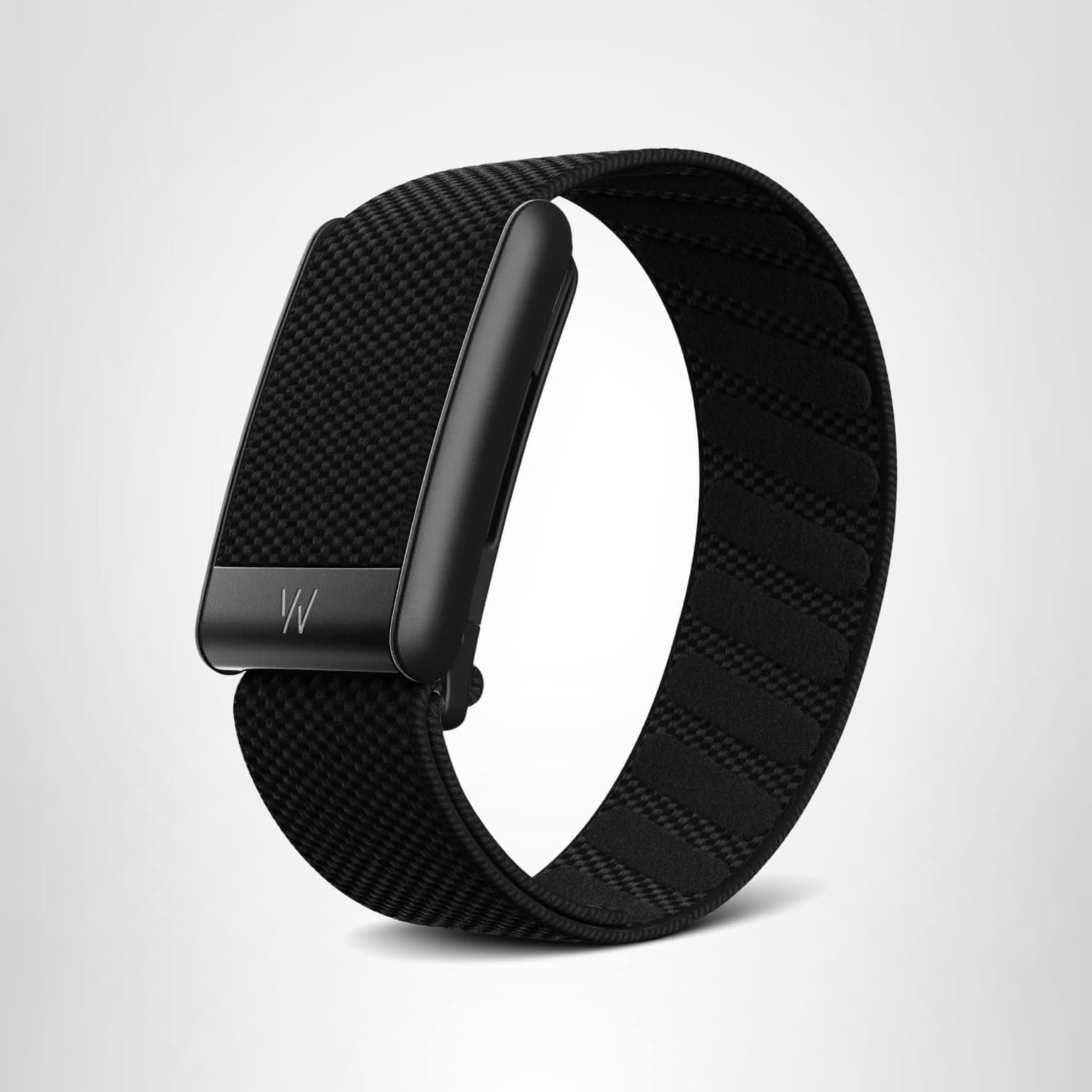
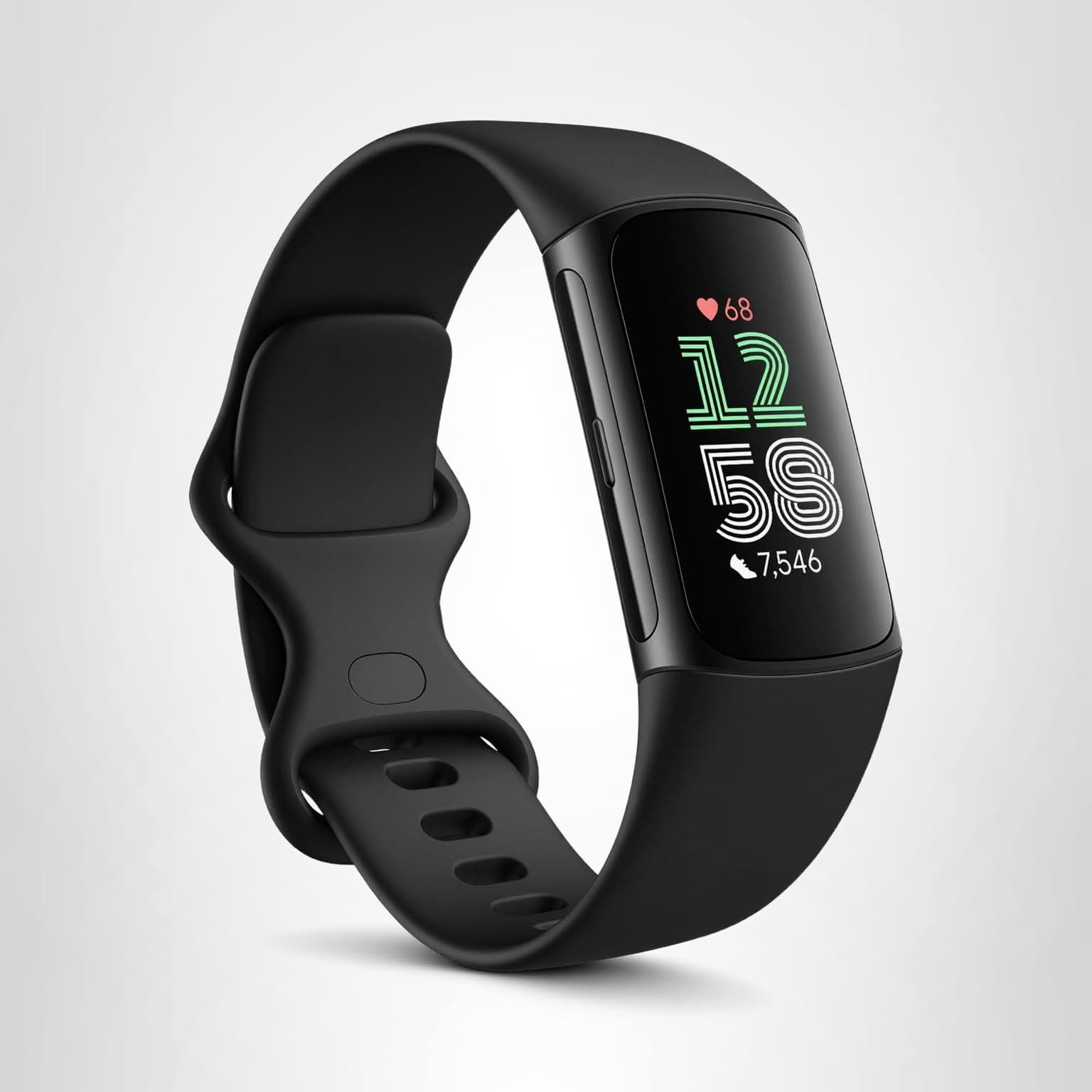
Affiliate disclosure: purchases via these links fund our work at no extra cost to you. Scores are independent of revenue.
The hub-and-spoke for sleep cycles
- ToolSleep cycle calculator
Find a bedtime that wakes you at a cycle boundary
- ToolSleep debt calculator
Quantify what shortened cycles cost you
- ToolSleep score quiz
Identify which disruptor matters most for your sleep
- ArticleCaffeine and your sleep architecture
How caffeine reshapes the cycles even when you fall asleep fine
- ArticleThe 3am wake-up — five most likely causes
Why mid-cycle wakes happen and what to do
- ReviewOura Ring 4 review
The most accurate consumer-grade cycle tracker