Best CPAP humidifier 2026: heated humidification compared.
Pressurised CPAP airflow strips moisture from your airway about 4–6× faster than normal breathing.[1] Heated humidification fixes it — and is the single biggest factor in whether you actually keep using your machine. Four picks, the humidity-comfort math, and the cleaning routine no one teaches you.
The humidity comfort zone, in one chart.
The right humidity setting isn’t a single number — it’s a band that scales with your prescribed pressure. Below the band you get dry mouth; above it you get hose condensation (“rainout”). The band shifts upward as pressure increases because higher pressure dries the airway faster.
Comfortable humidity output rises with CPAP pressure. Below the green band, dry mouth; above it, hose condensation.
Rule of thumb: at typical adult pressures (8–15 cm H₂O), a humidity level of 4–6 lands you in the green band. If your bedroom drops below 18°C / 64°F overnight, add the heated hose rather than cranking humidity higher.
The 3 humidifier setups worth buying.
Synthesis from public clinical literature, manufacturer specs, and long-tenure user forums (CPAPtalk, ApneaBoard, r/CPAP). Hands-on testing pending.
ResMed AirSense 11 with ClimateLineAir heated hose.
The AirSense 11 ships with an integrated humidifier that auto-adjusts based on ambient room humidity. Pair with the ClimateLineAir heated hose and the rainout problem disappears entirely. Quietest pump in this class at 24 dB.
- +Auto-humidity removes the daily setting dance
- +Quietest pump at 24 dB — won't wake a partner
- +myAir app + sleep-data export to Apple Health / Google Fit
- +ClimateLineAir hose eliminates rainout in cool bedrooms
- −Doesn't address mask leak issues — separate problem
- −Premium price (around $1,100 retail — check current price)
- −Proprietary chamber (around $25 to replace every 6 months)
Luna G3 (3B Medical) for the same therapy at 40% less.
Luna G3 is the underrated workhorse of the budget CPAP world. Integrated heated humidifier, 8-level adjustment, accepts standard 22 mm hoses. Louder pump (29 dB) and shorter brand history are the trade-offs.
- +Roughly 40% cheaper than ResMed equivalent
- +Standard 22 mm hose works with most aftermarket masks
- +Built-in pressure relief equivalent to ResMed's EPR
- −29 dB pump is audible — partners notice it
- −Fewer mask-fit accessories in the ecosystem
- −Less robust app — basic compliance reporting only
ResMed AirMini + HumidX cartridge for 1-3 week trips.
Waterless humidification using a moisture-exchange cartridge. Each HumidX captures humidity from your exhale and returns it on the next inhale. Not as effective as a heated chamber, but it weighs nothing, doesn't spill, and fits in a carry-on.
- +Waterless — no chamber, no spillage, no airport drama
- +FAA-compliant carry-on; airlines recognise CPAP as medical
- +Each HumidX cartridge lasts ~30 nights
- −Less moisture than a heated chamber (≈60-70% effective)
- −Inadequate for users with severe dry-mouth issues
- −Cartridges add around $1.50/night to running cost — check current price
Why CPAP causes dry mouth in the first place.
A CPAP machine pushes air at constant pressure of 4–20 cm H₂O — enough to keep the upper airway open through the night. That continuous airflow does two things to your mucous membranes that normal breathing does not: it dries them out by sheer volume, and it bypasses the natural humidification that happens in the nose when you breathe at lower velocities.
Wiest et al. quantified the effect in 1999.[2] CPAP users on dry-air mode lost approximately 30% more airway moisture per hour than they did during normal sleep. Heated humidification reduced that loss to baseline. A larger 2005 Chest trial confirmed the clinical impact: heated humidification improved CPAP compliance by 24% and reduced reports of dry mouth from 84% of users to 16%.[3]
“Untreated dry mouth is the single most-cited reason patients abandon CPAP therapy in year one.”
Translation: humidification isn’t a comfort feature — it’s a compliance feature, and compliance is what determines whether treating sleep apnea actually changes your life.
Heated vs passover humidifier — the only meaningful distinction.
A passover humidifier is a chamber of room-temperature water that the CPAP airflow passes over on its way to the mask. It adds maybe 5–10% relative humidity. That’s fine for tropical climates or low pressures (under 8 cm H₂O), but it doesn’t scale.
A heated humidifier warms the water reservoir to 50–60°C / 122–140°F. Warmer water evaporates faster, so the air picks up 3–4× more moisture before it reaches you. At typical sleep-apnea pressures of 8–15 cm H₂O, only a heated humidifier delivers enough humidity to actually solve the dry-mouth problem.[6]
Every CPAP machine sold in 2026 uses heated humidification. If you’re shopping a used machine on Craigslist or a 2010-era loaner from a sleep clinic, double-check — passover units are still out there.
Heated hose: do you need one?
Probably yes. A heated hose maintains the warm air temperature from the humidifier to your mask, preventing rainout — the condensation that builds up inside a standard hose when warm humid air cools in a cool bedroom. Rainout puddles in your mask, sprays you in the face when you turn over, and sounds like gargling.
The ClimateLineAir hose for ResMed adds around $120 retail — check current price; Philips and 3B Medical have similar SKUs. If you sleep in a cool bedroom (under 20°C / 68°F), or if your humidity setting is above level 5, the heated hose is what stops you from waking to a wet pillow.
Setup, water, and cleaning routine.
- Humidity level: Start at 4 (out of 8). Increase by 1 each night until you stop waking with dry mouth. If you get hose condensation, decrease by 1 OR turn on the heated hose.
- Water: Distilled only. Tap water leaves mineral scale that clouds the chamber within 2–3 weeks and reduces humidifier efficiency by 30–50%.
- Daily:Empty the chamber every morning. Don’t leave standing water in there — it’s a substrate for biofilm.
- Weekly: Wash the chamber with warm water and a drop of dish soap. Rinse thoroughly, air dry on a towel.
- Monthly: Soak in a 1:3 white-vinegar-to-water solution for 30 minutes. Rinse twice. Dissolves mineral buildup and disinfects.
- Every 6 months: Replace the chamber. They yellow, cloud, and develop micro-cracks from heat cycling.
One thing to skip: ozone and UV-light sanitizer machines. The FDA has warned that these devices are not cleared for cleaning CPAP equipment and may damage machines or leave residual ozone behind.[5] Warm soapy water, diluted vinegar, and unscented CPAP wipes are all you need.
Travel CPAP: the humidification trade-off.
Travel CPAP machines drop or downsize the humidifier to save weight. Three real options:
- Waterless cartridges (ResMed HumidX) use a moisture-exchange membrane that captures humidity from your exhale and returns it on the next inhale. About 60–70% as effective as a heated humidifier. Small, disposable, FAA-compliant for carry-on.
- Add-on heated chamber (DreamStation Go) restores full humidification but more than doubles device weight (1.7 lb → 3.6 lb with humidifier + water). For trips longer than a week, this is the better choice for users with severe dry-mouth issues.
- No humidification — most users tolerate 3–5 nights without humidifier on short trips. If you wake up dry, switch to nasal saline spray pre-sleep.
The rest of the CPAP comfort kit.
Humidification fixes dry mouth, but it can’t fix a mask that leaks because a flat pillow pushes it sideways, or a hose that drags every time you turn over. Those are pillow-and-interface problems, and they’re covered in our new CPAP comfort hub. Three picks from it pair naturally with this guide:
- CPAP pillowLunderg CPAP Pillow
Side-sleeper pillow with mask cut-outs that stop the mask digging in and leaking overnight.
- CPAP pillowContour CPAPMax 2.0
Dual-sided (memory foam / fiberfill) pillow with pressure-free mask zones and a hose tether.
- CPAP pillowEnduriMed CPAP Pillow
Firm contoured design with deep side cut-outs — fits full-face and nasal masks alike.
What you get here that you don't get elsewhere.
- This guide
- Specific make + model + price for each pick. ResMed AirSense 11 with ClimateLineAir hose; Luna G3; Philips DreamStation 2; ResMed AirMini.
- Typical alternative
- Most CPAP review sites refuse to name machines because their affiliate deals dictate placement. The result is generic 'choose what's right for you' filler.
- This guide
- Daily / weekly / monthly cleaning schedule with specific solutions (vinegar dilution ratios, replacement intervals). The single biggest reason humidifiers fail is mineral buildup, not hardware failure.
- Typical alternative
- Buying guides skip maintenance because there's no affiliate revenue in 'wash with mild soap'.
- This guide
- We name the 2021 recall and 2024 settlement explicitly. The DreamStation 2 was not part of the recall, but trust is wobbly and that affects buying decisions.
- Typical alternative
- Philips affiliates downplay the recall. We don't take Philips affiliate money on this article.
Glossary.
The technical vocabulary used in this article, in plain English.
- CPAP
- Continuous Positive Airway Pressure. The standard treatment for obstructive sleep apnea: a small machine pushes pressurised air through a mask to keep the upper airway open during sleep. Distinct from BiPAP (variable pressure) and APAP (auto-adjusting pressure).
- Rainout
- Condensation that forms inside the CPAP hose when warm humidified air cools as it travels through a cooler bedroom. Result: a puddle that gargles or sprays the user. A heated hose maintains the air temperature and prevents it.
- Pressure (cm H₂O)
- CPAP pressure is measured in centimetres of water — the height a column of water would be pushed by the airflow. Most adult CPAP users sit at 8–15 cm H₂O. Higher pressure means more airflow, which means more aggressive moisture loss without humidification.
- Humidity level (1–8)
- ResMed and Philips machines expose humidity as a 1–8 dial rather than a percentage. Each increment adds ~5–7% relative humidity at the mask. Level 4 is the typical starting point.
- Compliance
- Insurance / Medicare definition: at least 4 hours of CPAP use per night for 70% of nights over a 30-day window. Heated humidification improves compliance by ~24% in the first 90 days according to a 2005 Chest journal trial.
People also ask
Do I need a heated humidifier for my CPAP?
For most people, yes. Pressurised CPAP airflow strips moisture from your airway about 4-6× faster than normal breathing, so if you wake up with dry mouth, nasal congestion, sore throat, or frequent nosebleeds, heated humidification is the standard fix. It's built into nearly every modern CPAP machine — it improves comfort and therapy adherence, though it does not treat the apnea itself.
What water should I use in a CPAP humidifier?
Distilled water only — both ResMed and Philips Respironics specify distilled water in their user manuals. Tap water leaves mineral deposits in the chamber that build up within 2-3 weeks, reduce humidifier efficiency by 30-50%, and can become a substrate for bacterial growth. Distilled water costs around $1-2 per gallon (check current prices), and a 1L chamber lasts 1-2 weeks for most users.
What is CPAP rainout and how do I stop it?
Rainout is condensation that forms inside the CPAP hose when warm humidified air cools in a cooler bedroom — it puddles, gargles, and can spray into your mask. The most reliable fix is heated tubing (a heated hose keeps the air at temperature all the way to the mask). An insulating fabric hose cover, or routing the hose under your blanket, also helps; as a fallback, lower the humidity setting by one notch.
Heated vs passover humidifier — which is better?
Heated. A passover humidifier just lets air pass over a room-temperature water reservoir, which delivers minimal humidity unless you're in a tropical climate. Heated humidifiers warm the water to 50-60°C / 122-140°F and produce 3-4× more vapor — what your airway actually needs at typical pressures of 8-15 cm H₂O.
Frequently asked questions.
Do I need a heated humidifier for my CPAP?
For most people, yes. Pressurised CPAP airflow strips moisture from your airway about 4-6× faster than normal breathing, so if you wake up with dry mouth, nasal congestion, sore throat, or frequent nosebleeds, heated humidification is the standard fix. It's built into nearly every modern CPAP machine — it improves comfort and therapy adherence, though it does not treat the apnea itself.
What water should I use in a CPAP humidifier?
Distilled water only — both ResMed and Philips Respironics specify distilled water in their user manuals. Tap water leaves mineral deposits in the chamber that build up within 2-3 weeks, reduce humidifier efficiency by 30-50%, and can become a substrate for bacterial growth. Distilled water costs around $1-2 per gallon (check current prices), and a 1L chamber lasts 1-2 weeks for most users.
What is CPAP rainout and how do I stop it?
Rainout is condensation that forms inside the CPAP hose when warm humidified air cools in a cooler bedroom — it puddles, gargles, and can spray into your mask. The most reliable fix is heated tubing (a heated hose keeps the air at temperature all the way to the mask). An insulating fabric hose cover, or routing the hose under your blanket, also helps; as a fallback, lower the humidity setting by one notch.
Heated vs passover humidifier — which is better?
Heated. A passover humidifier just lets air pass over a room-temperature water reservoir, which delivers minimal humidity unless you're in a tropical climate. Heated humidifiers warm the water to 50-60°C / 122-140°F and produce 3-4× more vapor — what your airway actually needs at typical pressures of 8-15 cm H₂O.
What humidity setting should I use?
Start at level 4 of 8 (most ResMed and Philips machines use a 1-8 scale) and adjust by ±1 each night based on how you wake up. Dry mouth = increase by 1. Condensation in the hose ('rainout') = decrease by 1, or use a heated hose. There's no universal correct setting — it depends on your bedroom humidity and physiology.
How often should I clean the humidifier chamber?
Empty and rinse the chamber daily. Wash with warm soapy water once a week. Disinfect monthly with a 1:3 solution of white vinegar to water, soaked for 30 minutes, then air-dried. Skip ozone and UV-light sanitizer machines — the FDA warns they are not cleared for CPAP cleaning; soap, water, and vinegar do the job. Replace the chamber every 6 months — they yellow, cloud, and crack from heat cycling.
Do travel CPAPs have humidifiers?
Most don't, because the heating element is the heaviest component. The ResMed AirMini uses a disposable HumidX waterless cartridge (cheap but less effective than a proper humidifier). The Philips DreamStation Go has an optional heated humidifier add-on that more than doubles device weight. For trips under a week, most users tolerate going without humidification.
- [1]AASM Practice Guidelines for the Treatment of Obstructive Sleep Apnea with PAP Therapy (2019).
- [2]Wiest GH et al. 'Heated humidification reduces upper airway dryness during nasal CPAP therapy.' Respiratory Medicine, 1999.
- [3]Mador MJ et al. 'Effect of heated humidification on compliance and quality of life in patients with sleep apnea using nasal CPAP.' Chest, 2005.
- [4]FDA recall notice: Philips Respironics CPAP/BiPAP Devices (June 2021, updated Apr 2024 settlement).
- [5]FDA Safety Communication: Potential risks associated with ozone and UV light products for cleaning CPAP machines and accessories (2020).
- [6]Sleep Foundation: CPAP Humidifiers — how they work and who benefits.
Logan Foley, CSSC
Certified Sleep Science Coach via the Spencer Institute. Writes about adult sleep, supplements, and sleep tech. Reviews every adult-sleep article on SleepyHero before publication.
Last updated:
No CPAP manufacturer paid for placement in this article. We use Amazon affiliate links to recommended models which support the site at no cost to you; reviewers don't see affiliate revenue per product.
From our test lab
Gear that helps
Editor-evaluated picks that pair with this guide — scored on published specs and verified owner feedback, prices tracked across retailers.
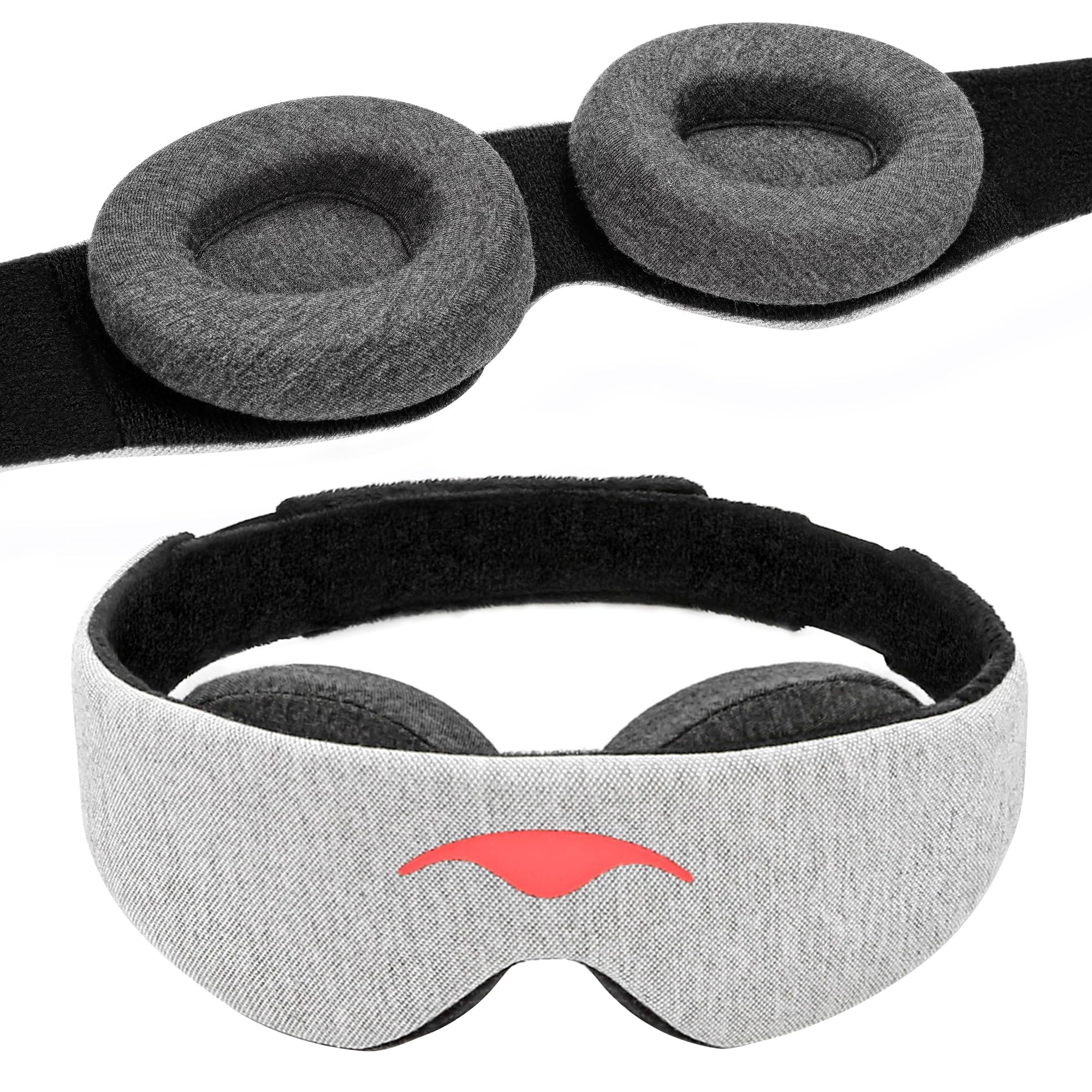
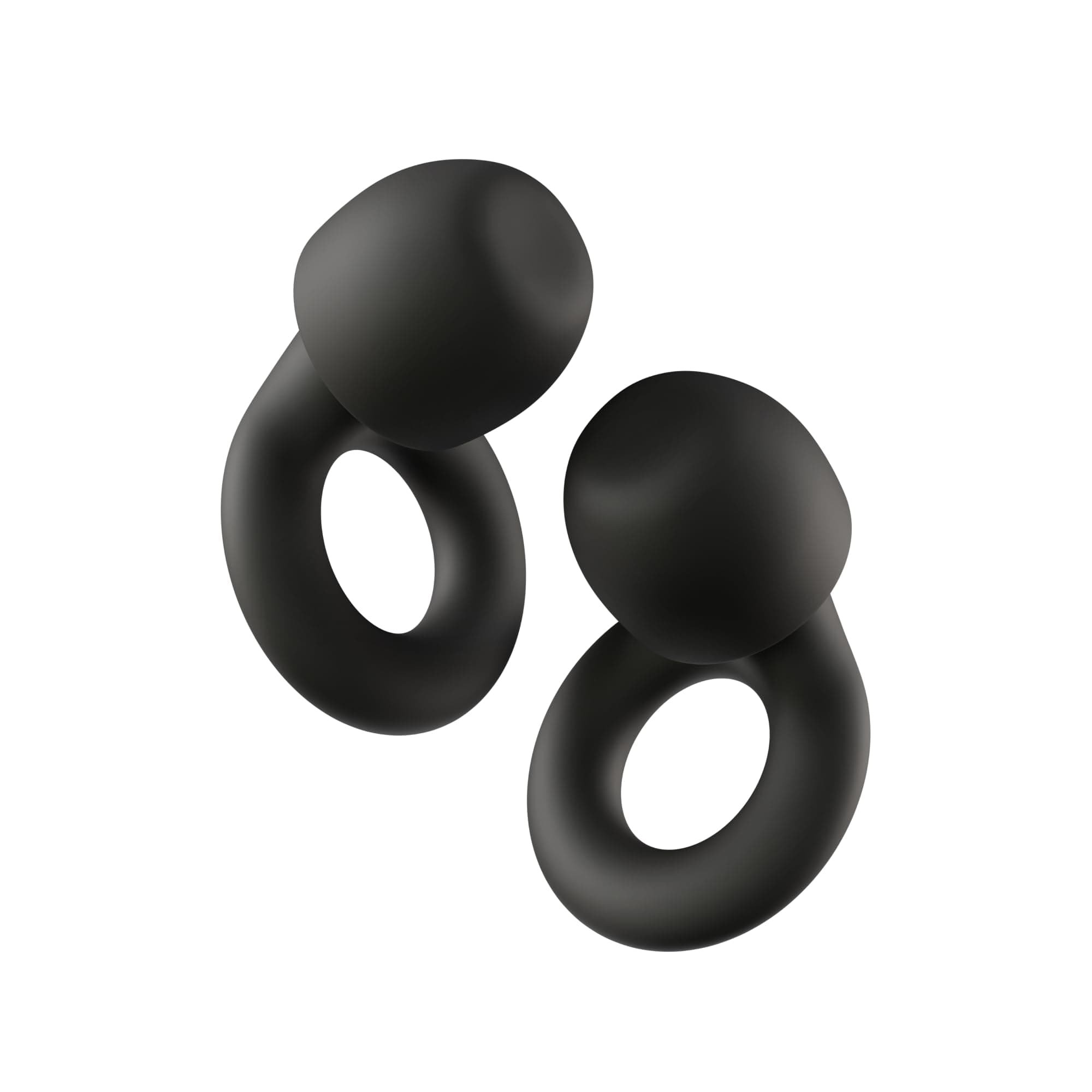
Affiliate disclosure: purchases via these links fund our work at no extra cost to you. Scores are independent of revenue.
Keep going
- ArticleWhy can't I fall asleep? Five causes.
Sleep apnea is one cause; humidification only fixes the comfort side.
- ArticleThe 3am wake-up — five most likely causes
Untreated apnea is one of them. Cluster context.
- ArticleBreathing exercises for sleep
Useful adjunct on the nights you don't wear the mask.
- ArticleBest sleeping positions
Side sleeping reduces apnea severity by ~50% — pairs with humidified CPAP.
- ReviewEight Sleep Pod 4
Cool surface helps sleep architecture if humidification fixes the comfort side.
- ArticleBest mattress for side sleepers
Side sleeping cuts apnea severity by ~50% — the right mattress makes it sustainable.