What is the best position to sleep in?
Side sleeping, for most adults. Below: the direct answer, a position-by-condition matrix covering back pain, neck pain, snoring, reflux, pregnancy, shoulder and hip pain, and what each position actually costs you.
The best sleeping position for most adults is on your side, with your knees slightly bent and a pillow between them. It keeps the spine close to neutral from hips to head, eases lower back pain, and reduces snoring and positional sleep apnea, and it is the position recommended in pregnancy.[10][11][12] The honest caveats: side sleeping loads one shoulder and one side of your face all night, back sleeping beats it for spine neutrality and skin but is the worst choice if you snore, and the genuinely best position is the one you can hold comfortably through the night without waking in pain.
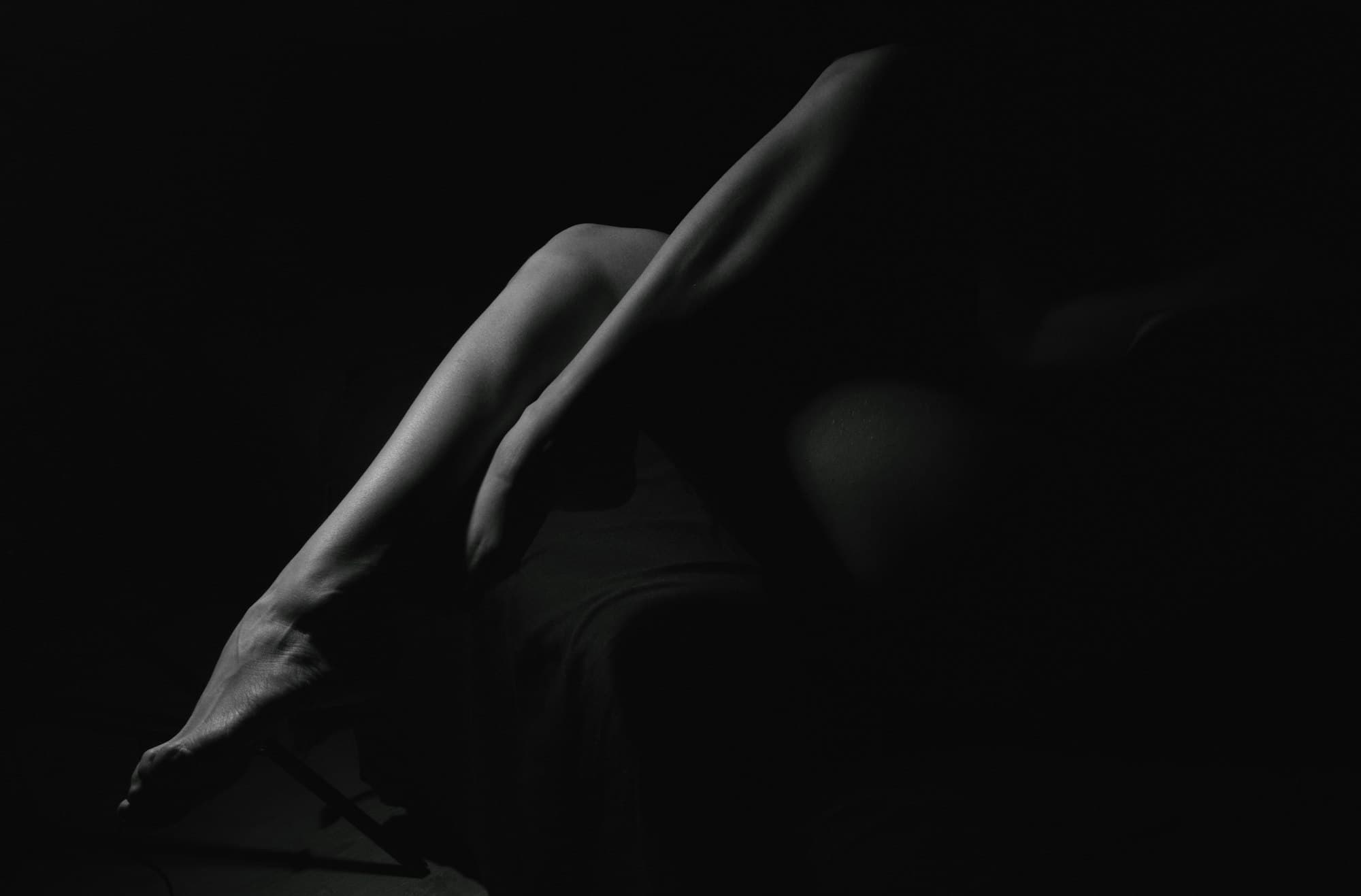
Position by condition: the matrix.
“Side sleeping is best” is true on average and useless in particular. What you should actually do depends on which problem you are solving — and for two of the seven below, the answer is not side sleeping.
Find your issue in the left column. Each row gives the position to use, the reason it works, and the gear that makes it hold overnight.
Side, knees slightly bent, pillow between knees
The knee pillow stops the upper leg dropping forward and twisting the pelvis, so the lumbar spine stays in line.[10][12]
Knee pillows→Back with a low pillow, or side with a loft-matched pillow
Pain usually comes from pillow height, not the position: the head should sit level with the spine, not tipped up or dropped down.[9][13]
Cervical pillows→Either side — the point is not being on your back
Lying supine lets the tongue and soft palate fall back into the airway; rolling onto a side reopens it.[4][5]
Pillows that hold you on your side→Left side, upper body slightly raised
On the left, the stomach sits below the junction with the esophagus, so acid has to travel uphill to reflux.[1][2]
Mattress toppers→Either side, knees bent — not on your back
Settling to sleep supine is the risk factor in the pooled data; left and right side were comparable to each other.[3][14]
Knee pillows→Back, or side on the unaffected shoulder
Keep the arm neutral rather than trapped under the head or pillow; a softer surface reduces the load on the down-side shoulder.[8][13]
Mattress toppers for side sleepers→Side on the pain-free hip, pillow between knees
The knee pillow levels the pelvis so the top hip is not held in adduction all night; surface softness controls pressure on the down-side hip.[12][13]
Mattresses for side sleepers→This is general education, not medical advice. Pain that persists for more than a few weeks, wakes you repeatedly, or comes with numbness, weakness, or breathing pauses should be assessed by your doctor rather than managed with a pillow.
The three positions worth using.
Side sleeping with a pillow between the knees.
The default recommendation from Sleep Foundation, Mayo Clinic, and Cleveland Clinic alike. The knee pillow is not optional — without it the upper leg rolls forward and twists the lumbar spine, which undoes most of the benefit. Choose the left side specifically if you get nighttime reflux.
- +Lower back pain (spine stays neutral hip-to-head)
- +Acid reflux — left side specifically
- +Snoring and mild positional sleep apnea
- +Pregnancy from around 28 weeks
- −Shoulder pain on the down-side shoulder
- −Facial skin — one side is compressed all night
Back sleeping with a thin pillow and a bolster under the knees.
The most even weight distribution of any position, and the only one that puts zero pressure on your face. The pillow under the knees matters: with the legs flat, tight hamstrings pull the lower back into an exaggerated arch. Do not choose this position if you snore.
- +Spine neutrality and even pressure distribution
- +Facial skin — no compression on either side
- +Shoulder pain, with the arm supported neutrally
- −Snoring — the worst position for it
- −Positional sleep apnea, which is defined by being worse supine
- −Late pregnancy
If you cannot stop stomach sleeping, reduce the cost.
Stomach sleeping is the least recommended position, and telling a lifelong stomach sleeper to simply stop rarely works. The harm-reduction version: use the thinnest pillow you can tolerate or none at all, and slide a flat pillow under the hips and lower abdomen to stop the lower back sagging into an arch.
- +Reducing neck rotation strain in committed stomach sleepers
- +Taking some load off the lower back
- −Replacing a position change — this is mitigation, not a fix
- −Facial skin, which is still compressed
Why each position does what it does.
- Acid reflux / GERD. On your left side the stomach sits below the junction with the esophagus, so refluxed acid has to work against gravity. Studies monitoring sleep position alongside esophageal pH consistently find the left lateral position preferable and the right lateral position associated with longer acid exposure.[1][2] Raising the head of the bed slightly compounds the effect — a firm topper or an adjustable base does this more comfortably than stacking pillows, which just bends your neck.
- Pregnancy from around 28 weeks. An individual-participant meta-analysis found supine going-to-sleep position independently associated with late stillbirth compared with the left side, while the right side was comparable to the left.[3]The practical instruction is therefore “settle on a side,” not “left side only.” A knee pillow makes the side position sustainable as the bump grows. Discuss anything specific to your pregnancy with your midwife or obstetrician.
- Snoring and mild positional apnea. Supine sleep lets the tongue and soft palate settle back toward the airway. In a series of patients undergoing polysomnography, positional sleep apnea — apnea substantially worse on the back — was present in 49.5% of mild cases, 19.4% of moderate, and 6.5% of severe.[4] That pattern is the reason positional therapy is offered mainly in milder disease. Loud snoring with gasping or witnessed breathing pauses warrants a sleep study, not a pillow.
- Lower back pain. Mayo Clinic’s guidance is to sleep on the side with knees flexed and a pillow between the legs to align spine, pelvis, and hips; back sleepers get the same benefit from a pillow under the knees, which stops tight hamstrings pulling the lumbar spine into an arch.[10][12] Surface matters too — see mattresses if yours sags in the middle.
- Neck pain. Usually a pillow problem wearing a position costume. The head should stay level with the spine rather than tipped up or dropped down, which means loft has to match the position. Worth knowing: a randomized pilot in people with diagnosed spinal degeneration found no pillow type significantly changed waking symptoms, and concluded that detecting a real effect would need 400+ symptomatic participants.[9] Pillows help alignment; they are not a treatment for degenerative neck disease. Start with cervical pillows if you wake stiff.
- Shoulder pain. The evidence here is genuinely unsettled: a cross-sectional study of 761 workers found the position expected to be worst was paradoxically associated with less glenohumeral pain, which the authors attribute to people already having learned to avoid the painful side.[8] The practical advice is uncontroversial — do not sleep on the sore shoulder, do not trap the arm under your head, and give the down-side shoulder somewhere to sink.
- Hip pain. Side sleeping on the unaffected hip with a pillow between the knees keeps the top hip out of an adducted position all night. The down-side hip is then a pressure question rather than an alignment one, which is a surface-softness problem.
- Skin. Plastic surgery literature describes the repeated compression of side and stomach sleeping contributing to fixed facial wrinkles over time.[7] Back sleeping is the only position that removes the contact; silk pillowcases reduce friction but not pressure.
“The best sleep position is one that promotes healthy spinal alignment from your hips all the way to your head.”
How to actually change your sleep position.
You cannot consciously control your position once you are asleep, so changing it means changing the environment rather than your intentions. Ranked by how much evidence sits behind each:
- Positional therapy devices. A wearable trainer that vibrates when you roll supine. In a multicentre cohort of 145 patients with position-dependent OSA, supine sleep fell from 21% at baseline to 3% at six months, with 64.4% of patients using it more than four hours a night.[5] The study had no placebo arm, which the authors flag themselves.
- The tennis-ball trick. The homemade version of the same idea: sew a ball into the back of a sleep shirt so rolling supine is uncomfortable enough to trigger a turn without fully waking you. Cheap, crude, and worth trying before you buy anything.
- Rebuild the surface. A lot of position drift is the bed, not the sleeper — people roll onto their back to escape shoulder or hip pressure. Softening the surface with a topper suited to side sleeping often removes the reason for the roll.
- Bracket yourself in. A firm pillow behind your back stops you rolling supine; a knee pillow in front keeps the hips stacked. Two pillows do most of what a dedicated device does, for a fraction of the cost.
Pillow setup matters as much as position.
The most common position-related complaint is not the position at all — it is a pillow of the wrong height breaking neck alignment within an otherwise correct position. The rule from Sleep Foundation is to choose a loft that matches the distance between your neck and your shoulder, so the whole spine stays neutral.[11]
- Side sleepers need the most loft, because the pillow has to bridge the gap from the side of the neck to the tip of the shoulder. Too flat and the head drops toward the mattress. See pillows for side sleepers.
- Back sleepers need less. The gap between the back of the head and the mattress is small, so a thick pillow tilts the chin toward the chest.
- Stomach sleepers, if you must — the thinnest pillow you can tolerate, or none. Any loft adds extension on top of the rotation your neck is already holding.
- Replace a pillow when it stops holding your head level — when it has to be folded, punched, or doubled to work, the fill has compressed past the point of supporting you. Browse all pillows by sleep position.
What you get here that you don't get elsewhere.
- This guide
- Reflux goes left side. Pregnancy means off your back. Snoring means either side. Back pain means side with a knee pillow. Shoulder pain means the other shoulder. Each row names the position, the mechanism, and a source.
- Typical alternative
- Most articles stop at 'side sleeping is best' without saying which side, for whom, or why it would matter.
- This guide
- Side sleeping compresses one shoulder and one side of the face. Back sleeping is the worst option if you snore. There is no position that wins on every axis, and we say so.
- Typical alternative
- Presenting one position as universally optimal is tidier, and sells more pillows, but it is not what the evidence shows.
- This guide
- Every statistic on this page traces to a named study or clinical body you can open. Claims we could not source were removed in the July 2026 review rather than rounded off.
- Typical alternative
- Numbers like '56% of apnea is positional' get copied between articles for years without anyone opening the paper.
Glossary.
The technical vocabulary used in this article, in plain English.
- Supine
- Lying on your back, face up. The most neutral position for the spine, and the worst for snoring and obstructive sleep apnea — gravity pulls the tongue and soft palate back toward the airway.
- Lateral
- Lying on your side. The best general-purpose sleep position for most adults. Left lateral is the one specifically preferred for acid reflux.
- Prone
- Lying face-down, i.e. stomach sleeping. The least recommended position: the head has to rotate to one side to breathe, and the torso sinks so the lower back arches.
- Pillow loft
- The thickness of a pillow under load. The right loft is the one that keeps your head level with your spine — for side sleepers that is roughly the gap between the side of the neck and the tip of the shoulder.
- Positional sleep apnea
- Obstructive sleep apnea that is substantially worse lying on your back than on your side. In a polysomnography series it was found in 49.5% of patients with mild OSA, 19.4% with moderate, and 6.5% with severe — so it is most common in milder disease.
- Glymphatic system
- The brain's waste-clearance pathway, most active during sleep. A rodent imaging study found glymphatic transport was most efficient in the lateral position compared with supine or prone; this has not been established the same way in humans.
People also ask
What is the best position to sleep in?
Side sleeping is the best position to sleep in for most adults. It keeps the spine closer to neutral, reduces snoring and positional sleep apnea, and eases lower back pain — especially with a pillow between the knees. Back sleeping is a reasonable second choice. Stomach sleeping is the least recommended.
What is the best sleeping position?
The best sleeping position is on your side with knees slightly bent and a pillow between them. Major clinical sources — Sleep Foundation, Mayo Clinic, and Cleveland Clinic — converge on this for back pain, reflux, snoring, and pregnancy. The single exception: if you want to protect facial skin, back sleeping wins.
What are the best sleeping positions?
Ranked: (1) side sleeping with a knee pillow, best all-round; (2) back sleeping with a pillow under the knees, best for spine neutrality and skin, worst for snoring; (3) stomach sleeping, least recommended because it rotates the neck and flattens the lumbar curve. Left side is preferred for acid reflux.
What is a good sleeping position?
A good sleeping position keeps your ears, shoulders, and hips stacked in a straight line, with no part of your spine twisted or unsupported. For most people that means side sleeping with a knee pillow and a head pillow thick enough to fill the gap between ear and shoulder.
Frequently asked questions.
What is the best position to sleep in?
Side sleeping is the best position to sleep in for most adults. It keeps the spine closer to neutral, reduces snoring and positional sleep apnea, and eases lower back pain — especially with a pillow between the knees. Back sleeping is a reasonable second choice. Stomach sleeping is the least recommended.
What is the best sleeping position?
The best sleeping position is on your side with knees slightly bent and a pillow between them. Major clinical sources — Sleep Foundation, Mayo Clinic, and Cleveland Clinic — converge on this for back pain, reflux, snoring, and pregnancy. The single exception: if you want to protect facial skin, back sleeping wins.
What are the best sleeping positions?
Ranked: (1) side sleeping with a knee pillow, best all-round; (2) back sleeping with a pillow under the knees, best for spine neutrality and skin, worst for snoring; (3) stomach sleeping, least recommended because it rotates the neck and flattens the lumbar curve. Left side is preferred for acid reflux.
What is a good sleeping position?
A good sleeping position keeps your ears, shoulders, and hips stacked in a straight line, with no part of your spine twisted or unsupported. For most people that means side sleeping with a knee pillow and a head pillow thick enough to fill the gap between ear and shoulder.
Is sleeping on your left side better than the right?
For acid reflux, yes — left-side sleeping puts the stomach below the esophagus and measurably reduces nighttime acid exposure.[1][2] In pregnancy, the evidence points at avoiding the back rather than picking a side: a meta-analysis found left and right settling comparable, with supine carrying the raised risk.[3] Otherwise the difference is small.
Why is stomach sleeping bad for you?
Stomach sleeping forces you to rotate your head to one side all night to breathe, pulling the neck out of line with the rest of the spine, and lets the torso sink so the lower back arches. Clinical sources link it to morning neck pain, back pain, and facial wrinkles.
How do I stop sleeping on my back if I snore?
Use positional therapy. A wearable sleep position trainer that vibrates when you roll supine cut supine sleep from 21% to 3% over six months in one cohort study.[5] The low-tech version is sewing a tennis ball into the back of a sleep shirt. If you gasp or stop breathing, ask your doctor about a sleep study.
Does sleeping position cause wrinkles?
Side and stomach sleeping press one side of the face into the pillow for hours, and plastic-surgery literature describes these compression forces contributing to fixed facial wrinkles over time.[7] Back sleeping avoids the contact entirely. A silk pillowcase lowers friction but does not remove the pressure itself.
- [1]Khoury RM, Camacho-Lobato L, Katz PO, Mohiuddin MA, Castell DO. 'Influence of spontaneous sleep positions on nighttime recumbent reflux in patients with gastroesophageal reflux disease.' American Journal of Gastroenterology, 1999.
- [2]Schuitenmaker JM, van Dijk M, Oude Nijhuis RAB, Smout AJPM, Bredenoord AJ. 'Associations Between Sleep Position and Nocturnal Gastroesophageal Reflux.' American Journal of Gastroenterology, 2022.
- [3]Cronin RS et al. 'An Individual Participant Data Meta-analysis of Maternal Going-to-Sleep Position, Interactions with Fetal Vulnerability, and the Risk of Late Stillbirth.' EClinicalMedicine, 2019.
- [4]Mador MJ, Kufel TJ, Magalang UJ, Rajesh SK, Watwe V, Grant BJB. 'Prevalence of positional sleep apnea in patients undergoing polysomnography.' Chest, 2005.
- [5]van Maanen JP, de Vries N. 'Long-term effectiveness and compliance of positional therapy with the sleep position trainer in the treatment of positional obstructive sleep apnea syndrome.' Sleep, 2014.
- [6]Lee H, Xie L, Yu M, Kang H, Feng T, Deane R, Logan J, Nedergaard M, Benveniste H. 'The Effect of Body Posture on Brain Glymphatic Transport.' Journal of Neuroscience, 2015.
- [7]Anson G, Kane MAC, Lambros V. 'Sleep Wrinkles: Facial Aging and Facial Distortion During Sleep.' Aesthetic Surgery Journal, 2016.
- [8]Holdaway LA, Hegmann KT, Thiese MS, Kapellusch J. 'Is sleep position associated with glenohumeral shoulder pain and rotator cuff tendinopathy: a cross-sectional study.' BMC Musculoskeletal Disorders, 2018.
- [9]Gordon SJ, Grimmer KA, Buttner P. 'Pillow preferences of people with neck pain and known spinal degeneration: a pilot randomized controlled trial.' European Journal of Physical and Rehabilitation Medicine, 2019.
- [10]Mayo Clinic. 'Sleeping positions that reduce back pain.'
- [11]Sleep Foundation. 'What Is the Best Sleeping Position?'
- [12]Sleep Foundation. 'How to Sleep With Lower Back Pain.'
- [13]Cleveland Clinic. 'Best Sleeping Positions for Pain.'
- [14]Sleep Foundation. 'Pregnancy Sleeping Positions.'
Logan Foley, CSSC
Certified Sleep Science Coach via the Spencer Institute. Writes about adult sleep, supplements, and sleep tech. Reviews every adult-sleep article on SleepyHero before publication.
Last updated:
No pillow, mattress, or positional-therapy device manufacturer paid for placement in this article. This guide is general education and is not a substitute for individual medical advice. Affiliate links to recommended brands support the site at no cost to you.
From our test lab
Gear that helps
Picks that pair with this guide — scored independently, prices tracked across retailers.
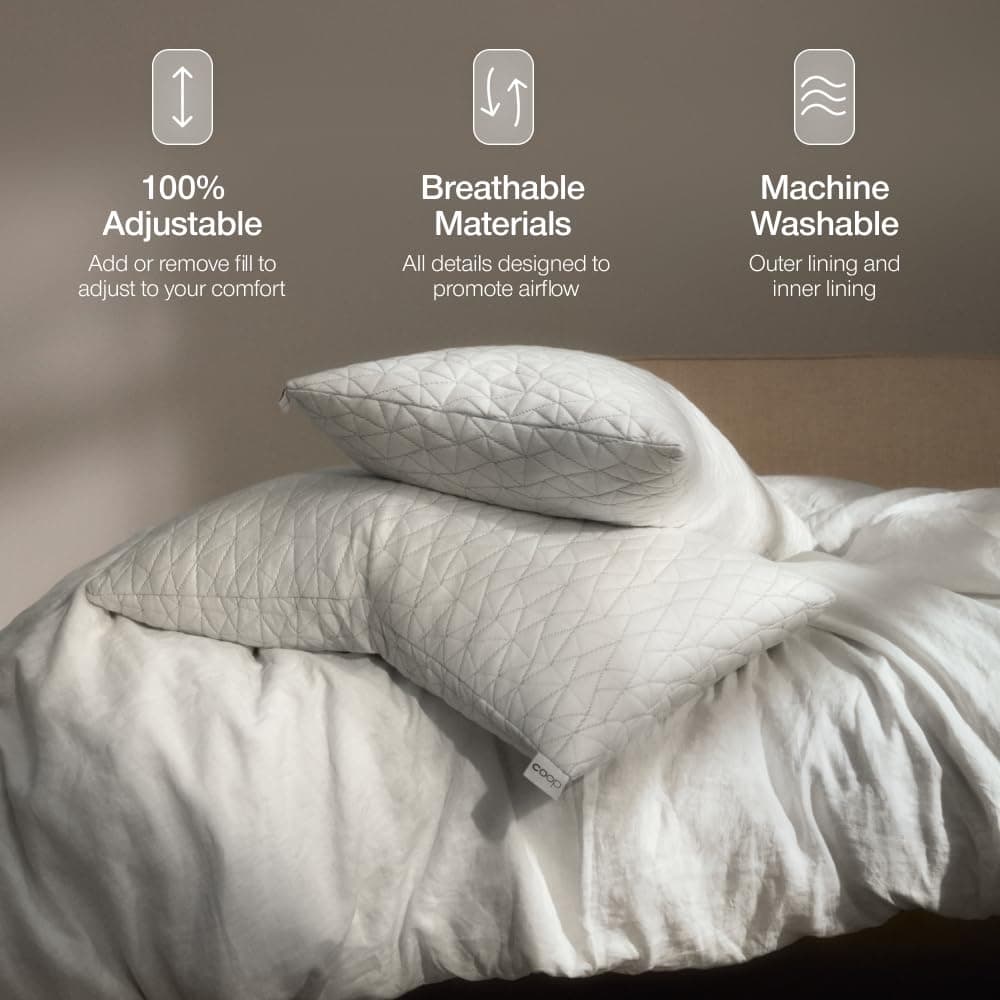
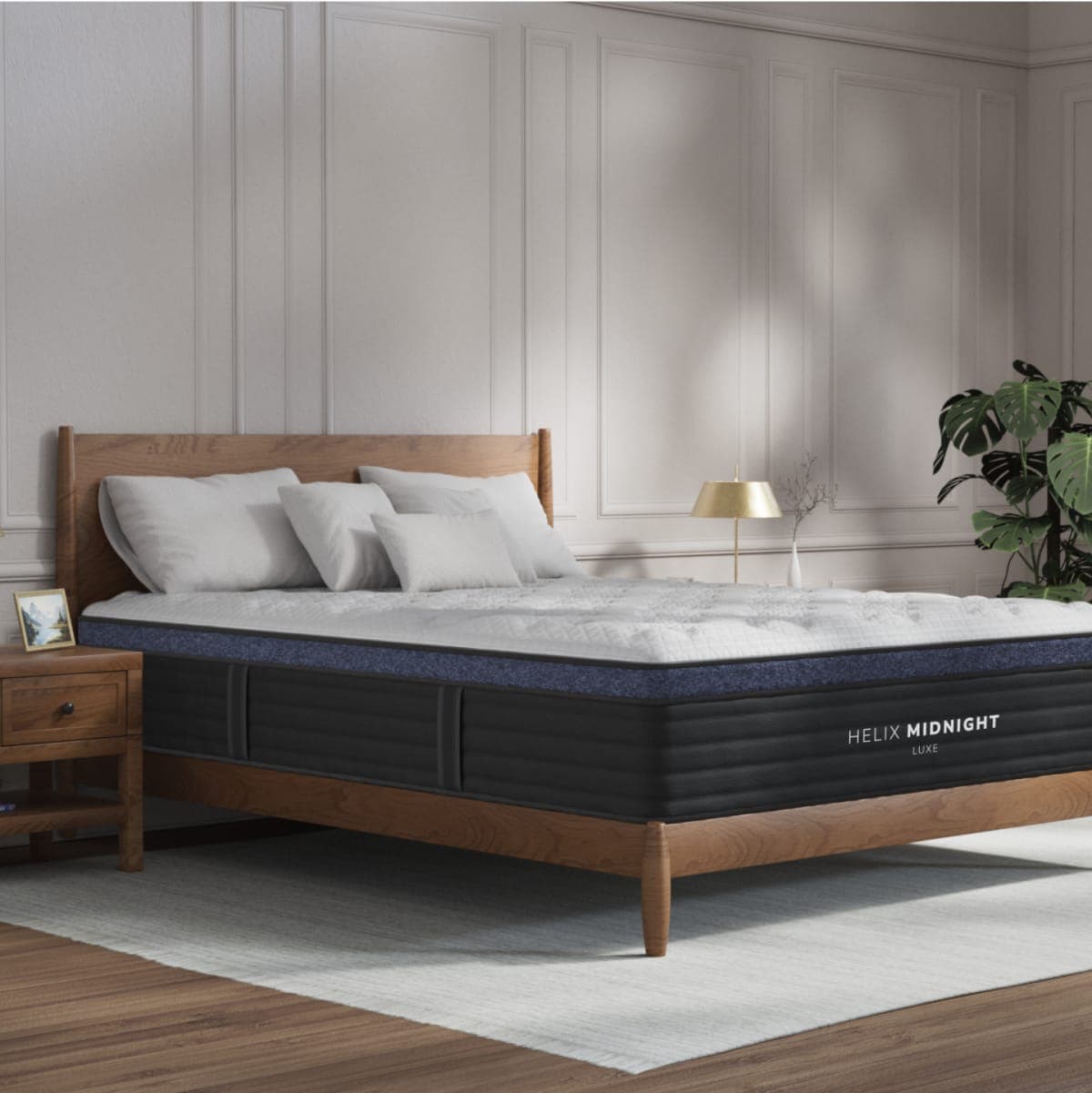
Affiliate disclosure: purchases via these links fund our work at no extra cost to you. Scores are independent of revenue.
Keep going
- ArticleThe 3am wake-up — five most likely causes
Position can be one of them — supine sleep worsens reflux + snoring.
- ArticleWhy can't I fall asleep? Five causes.
Wrong-thickness pillow is one cause of onset failure.
- ArticleBest CPAP humidifier
Side sleeping + CPAP is the best-tolerated combination for OSA.
- ArticleBreathing exercises for sleep
Diaphragmatic breathing only works in spine-neutral positions.
- ArticleBest mattress for side sleepers
Firmness interacts with position — the ranked picks for side sleeping.
- ArticleBest pillow for side sleepers
Wrong-loft pillows undo good positioning — picks ranked by loft + support.