Natural sleep remedies, ranked by what the trials actually show.
Seven of the most-recommended natural sleep remedies, scored by randomised-trial evidence. Three have real effects, four are weak-to-placebo. We name the dose that works, the form to buy, and the trap most articles ignore — that 22 of 25 US melatonin gummy products tested (88%) were inaccurately labelled, with actual melatonin ranging from 74% to 347% of the stated dose.[4]

The evidence-ranking chart.
Our editorial composite of randomised-trial count, effect size, replication, and risk of bias — not a published score. Above 70 means at least one placebo-controlled trial found a statistically significant benefit. Below 40, the remedy ties or underperforms placebo in the better-controlled studies.
The 3 that actually work.
Each of these has at least one randomised placebo-controlled trial showing a statistically significant benefit. Trial quality varies a lot, and we flag it where it’s weak. We list them in order of evidence strength + applicability.
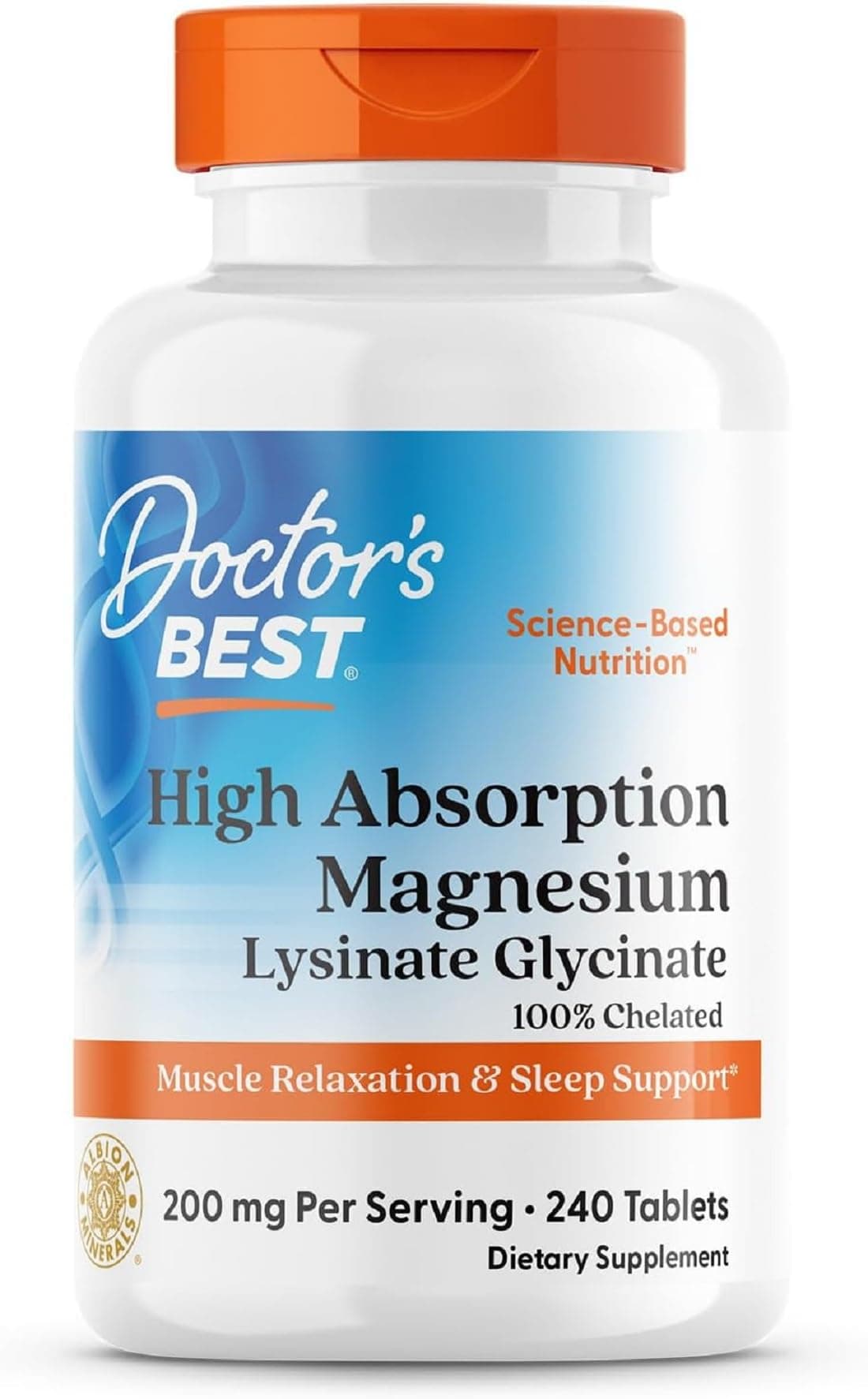
Magnesium glycinate — the daily foundation.
200-400 mg, 60-90 minutes before bed. Magnesium is a cofactor for the GABA receptors that downshift the nervous system. Glycinate form is gentler on the gut than citrate (no laxative effect) and absorbs better than oxide. The honest read on the evidence: a 2021 meta-analysis of three small trials in older adults found sleep onset about 17 minutes faster than placebo, but the authors themselves grade that evidence low to very low quality. It's the best-supported option on this list, which says as much about the list as it does about magnesium.
- +Mild-to-moderate insomnia in adults
- +Restless legs / nighttime muscle tension
- +Stress-driven sleep onset failure
- −Sleep apnea or any structural sleep disorder
- −Insomnia caused by late caffeine
- −Circadian misalignment (use melatonin for that)
Melatonin — but at 0.3-1 mg, not 5-10 mg.
The effective dose for circadian uses (jet lag, shift work, delayed sleep phase) is 0.3-1 mg taken 30-60 minutes before target bedtime. Higher doses don't work better and often work worse — higher doses tend to cause more grogginess without working better. For general insomnia in healthy adults, melatonin's effect is small. Buy USP-verified products only — 22 of 25 US gummy products tested were inaccurately labelled.
- +Jet lag (especially eastward shifts)
- +Shift work circadian reset
- +Delayed sleep phase syndrome (teens, young adults)
- −Stress-driven insomnia (use magnesium)
- −Maintenance insomnia (3am wake-ups)
- −Anxiety-driven onset failure
Tart cherry juice — the food-based option.
Two small studies support it. In healthy adults, tart cherry concentrate twice daily produced significant increases in total sleep time and sleep efficiency; in a pilot study of older adults with insomnia, it reduced time awake after sleep onset versus placebo — though the authors called the effect sizes moderate at best and smaller than sleeping pills. Mechanism: natural melatonin content + tryptophan precursors. Sour, sugar-heavy if not unsweetened — buy the concentrate, dilute, no added sugar.
- +Older adults (60+) with mild insomnia
- +Anyone preferring food over supplements
- +Adjunct to magnesium (different mechanism, no interaction)
- −Severe insomnia
- −People with diabetes (sugar load even unsweetened)
- −Acute sleep need (effect builds over days)
The 4 with weaker evidence — what to know before buying.
- Valerian root. Mixed evidence. Two meta-analyses concluded effect was no larger than placebo. Some individuals do report subjective improvement, possibly via mild GABA modulation. Acceptable to try (450-900 mg extract, 30-60 min pre-bed) for 2-3 weeks; discontinue if no effect. Do not combine with alcohol or sedatives.
- Chamomile.The ritual of warm tea before bed is a real cue for the brain — but controlled trials of chamomile extract don’t show effects beyond placebo. If you enjoy the tea, the ritual + warmth + dim light combo helps. The chamomile itself is doing little.
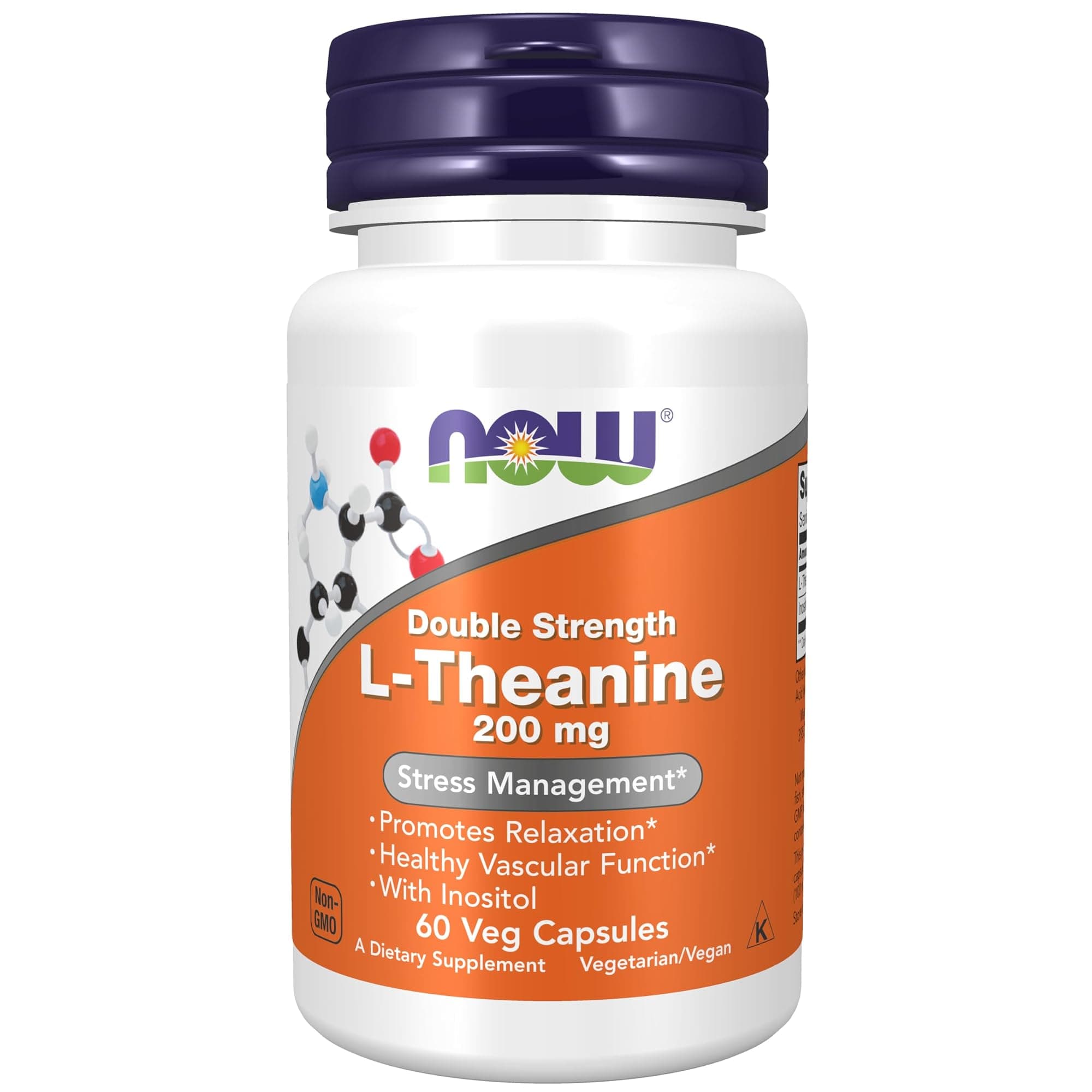
- L-theanine. Marketed for sleep onset, but the evidence is mostly for daytime relaxation, not sleep architecture. Dose 200-400 mg has shown small effects in stress-related sleep difficulty. If anxiety is the cause of your insomnia, more useful than for general sleep difficulty.
- Lavender essential oil. Pinterest-favourite, evidence-light. Aromatherapy trials have small samples and no good blinding (you can smell the active arm). The relaxation effect is plausible but small. Safer as a calming-ritual cue than a sleep aid.
“If a sleep supplement promises 'fall asleep in 7 minutes' or 'doctor-recommended formula' without naming the doctor or the trial, that's marketing — not science. The supplement industry is regulated like food, not medicine.”
The remedy stack that compounds.
The single biggest mistake with natural sleep remedies is treating them as the whole intervention. They’re a 10-20% lift on top of behavioural change — not a substitute. The stack that works:
- • Magnesium glycinate 200-400 mg nightly, 60-90 min before bed. Daily. Effect builds over 1-2 weeks.
- • Caffeine cutoff at 2pm (or 8 hours before bed, whichever is earlier). The single largest behavioural lever.
- • Bedroom 18-19°C / 64-66°F. Body initiates sleep onset by dropping core temperature ~1°C — a cool room assists the drop.
- • Same wake time daily, including weekends. Anchors the circadian rhythm — the same thing melatonin tries to shift externally.
- • 5-10 min wind-down in dim light: tea ritual, breathing exercise, reading. The cues matter more than the specific activity.
When NOT to self-treat with natural remedies.
- Witnessed snoring or apnea episodes. No supplement fixes obstructive sleep apnea. Get a sleep study.
- Insomnia lasting more than 3 months. That’s the clinical threshold for chronic insomnia. CBT-I (cognitive behavioural therapy for insomnia) is the first-line treatment with the strongest evidence base — magnesium is adjunct.
- Pregnancy or breastfeeding. Most herbal sleep remedies aren’t studied in pregnancy. Talk to your OB before any supplement, including magnesium.
- Children and teens. Pediatric melatonin and any herbal supplement should be doctor-supervised. See our pediatric sleep medication red-flag list.
- On prescribed medication. Magnesium can interfere with the absorption of some antibiotics and interact with blood pressure medication; melatonin can interact with blood thinners and immune suppressants. Ask your doctor or pharmacist before starting either — a pharmacist consult is free and fast.
What you get here that you don't get elsewhere.
- This guide
- Each remedy is rated by randomised-trial quality and effect size. Magnesium and melatonin (for circadian uses) lead the list. Lavender oil and ashwagandha do not — even though they dominate Pinterest content.
- Typical alternative
- Most natural-sleep articles list every remedy ever tried and call them all 'great' so the article keeps you scrolling. We're explicit about which 4 don't have strong evidence.
- This guide
- Magnesium 200-400 mg glycinate. Melatonin 0.3-1 mg. Tart cherry 8 oz × 2 daily. Specific products would be affiliate-driven; doses are evidence-driven.
- Typical alternative
- Generic articles say 'try magnesium' without specifying form (oxide is mostly useless), dose (under 100 mg won't move the needle), or timing.
- This guide
- 22 of 25 US melatonin gummy products tested in JAMA were inaccurately labelled. We say 'USP-verified only' and explain why — and which form (glycinate vs citrate vs oxide) matters for which goal.
- Typical alternative
- Most articles assume the supplement aisle is regulated like the pharmacy aisle. It isn't. We name the gap.
Glossary.
The technical vocabulary used in this article, in plain English.
- GABA (gamma-aminobutyric acid)
- The brain's primary inhibitory neurotransmitter — the molecule that downshifts neural activity toward sleep. Several natural remedies (magnesium, valerian) work by modulating GABA receptors.
- Circadian rhythm
- The ~24-hour internal clock that governs sleep timing, hormone release, and body temperature. Melatonin is the chemical signal of circadian phase — its release tells the body 'time to sleep.'
- Sleep onset latency
- Time from lights-out to actually falling asleep. Healthy is 10-20 minutes. Most natural sleep remedies are evaluated by their effect on this metric in trials.
- USP verification
- United States Pharmacopeia third-party certification confirming a supplement contains what its label claims, in the dose claimed, free of common contaminants. The single most important quality marker for natural sleep supplements given the industry's regulation gap.
- Placebo-controlled trial
- The minimum-quality study design for testing whether a remedy works. Without a placebo arm, you can't separate the remedy's effect from expectation, ritual, and natural improvement over time.
People also ask
What is the most effective natural sleep remedy?
Magnesium has the most consistent randomised-trial signal for sleep onset in older adults — a 2021 meta-analysis found people fell asleep about 17 minutes faster than on placebo, though the authors rate that evidence low to very low quality because the underlying trials were small and at risk of bias. Common practice is 200–400 mg of the glycinate form about an hour before bed. Melatonin is more useful for circadian-shift problems (jet lag, shift work) than for general insomnia — and the dose most people take (5–10 mg) is well above the 0.3–1 mg used for circadian shifting.
Is melatonin a safe long-term sleep aid?
Short-term use at low doses (0.3–1 mg) is generally considered safe in healthy adults, but long-term safety is not well-studied — treat anything beyond a few months as a conversation for your doctor. Pediatric use should be doctor-supervised. The bigger practical concern: in a 2023 JAMA analysis of 25 US melatonin gummy products, 22 were inaccurately labelled, with actual melatonin ranging from 74% to 347% of the stated dose.
Do natural sleep remedies actually work, or are they placebo?
Three have randomised-trial evidence pointing beyond placebo: magnesium (small, low-quality trials, mostly in older adults), melatonin (for circadian issues specifically), and tart cherry juice (modest effect, small pilot studies). Four common remedies — valerian, chamomile, lavender oil, ashwagandha — have either mixed evidence or effects no larger than placebo in well-controlled trials. They may help via the placebo effect plus the calming bedtime ritual, which is real but limited.
Can I take magnesium and melatonin together?
They work via different mechanisms — magnesium acts on the nervous system, melatonin signals circadian timing — and we're not aware of a documented interaction between them at typical supplement doses. That isn't the same as proven safety, and neither is a substitute for behavioural change. Check with your doctor or pharmacist before combining them, and don't start either without medical advice if you're pregnant, breastfeeding, or on prescribed medication (magnesium and melatonin can each interfere with common prescriptions).
Frequently asked questions.
What is the most effective natural sleep remedy?
Magnesium has the most consistent randomised-trial signal for sleep onset in older adults — a 2021 meta-analysis found people fell asleep about 17 minutes faster than on placebo, though the authors rate that evidence low to very low quality because the underlying trials were small and at risk of bias. Common practice is 200–400 mg of the glycinate form about an hour before bed. Melatonin is more useful for circadian-shift problems (jet lag, shift work) than for general insomnia — and the dose most people take (5–10 mg) is well above the 0.3–1 mg used for circadian shifting.
Is melatonin a safe long-term sleep aid?
Short-term use at low doses (0.3–1 mg) is generally considered safe in healthy adults, but long-term safety is not well-studied — treat anything beyond a few months as a conversation for your doctor. Pediatric use should be doctor-supervised. The bigger practical concern: in a 2023 JAMA analysis of 25 US melatonin gummy products, 22 were inaccurately labelled, with actual melatonin ranging from 74% to 347% of the stated dose.
Do natural sleep remedies actually work, or are they placebo?
Three have randomised-trial evidence pointing beyond placebo: magnesium (small, low-quality trials, mostly in older adults), melatonin (for circadian issues specifically), and tart cherry juice (modest effect, small pilot studies). Four common remedies — valerian, chamomile, lavender oil, ashwagandha — have either mixed evidence or effects no larger than placebo in well-controlled trials. They may help via the placebo effect plus the calming bedtime ritual, which is real but limited.
Can I take magnesium and melatonin together?
They work via different mechanisms — magnesium acts on the nervous system, melatonin signals circadian timing — and we're not aware of a documented interaction between them at typical supplement doses. That isn't the same as proven safety, and neither is a substitute for behavioural change. Check with your doctor or pharmacist before combining them, and don't start either without medical advice if you're pregnant, breastfeeding, or on prescribed medication (magnesium and melatonin can each interfere with common prescriptions).
How long do natural sleep remedies take to work?
Magnesium: 1–2 weeks of consistent use to see full effect. Melatonin: same night for circadian uses. Herbal remedies (valerian, chamomile): 2–4 weeks if they're going to work at all — discontinue if no effect. The single biggest mistake is using these as a one-night fix; they're consistency-dependent, not on-demand.
- [1]Abbasi B et al. 'The effect of magnesium supplementation on primary insomnia in elderly: A double-blind placebo-controlled clinical trial.' Journal of Research in Medical Sciences, 2012.
- [2]Mah J, Pitre T. 'Oral magnesium supplementation for insomnia in older adults: a Systematic Review & Meta-Analysis.' BMC Complementary Medicine and Therapies, 2021;21:125. (Sleep onset latency 17.4 min shorter than placebo; authors rate the evidence low to very low quality.)
- [3]Auld F, Maschauer EL, Morrison I, Skene DJ, Riha RL. 'Evidence for the efficacy of melatonin in the treatment of primary adult sleep disorders.' Sleep Medicine Reviews, 2017;34:10-22.
- [4]Cohen PA et al. 'Quantity of Melatonin and CBD in Melatonin Gummies Sold in the US.' JAMA, 2023.
- [5]Howatson G et al. 'Effect of tart cherry juice (Prunus cerasus) on melatonin levels and enhanced sleep quality.' European Journal of Nutrition, 2012.
- [6]Pigeon WR et al. 'Effects of a tart cherry juice beverage on the sleep of older adults with insomnia: a pilot study.' Journal of Medicinal Food, 2010.
Logan Foley, CSSC
Certified Sleep Science Coach via the Spencer Institute. Writes about adult sleep, supplements, and sleep tech. Reviews every adult-sleep article on SleepyHero before publication.
Last updated:
No supplement brand is paid for placement. Where we name a brand or quality mark (USP, NSF), it's because the certification is the safety signal — not because the brand sponsors us.
From our test lab
Gear that helps
Tested picks that pair with this guide — scored independently, prices tracked across retailers.
Affiliate disclosure: purchases via these links fund our work at no extra cost to you. Scores are independent of revenue.
Keep going
- ArticleWhy can't I fall asleep? Five causes.
Magnesium fixes one of them; behaviour change covers the other four.
- ArticleThe 3am wake-up — five most likely causes
Magnesium can help maintenance insomnia at 3am too.
- ArticleCalming bedtime routine
The behavioural complement — supplements work better with the routine in place.
- ArticleHerbal teas for sleep
The ritual is real even when the herb itself is weak — different framing of the same evidence.
- ArticleBreathing exercises for sleep
Behavioural lever that pairs with magnesium — different mechanism, additive effect.
- ToolCaffeine cutoff calculator
No supplement out-performs late caffeine still in your system.